


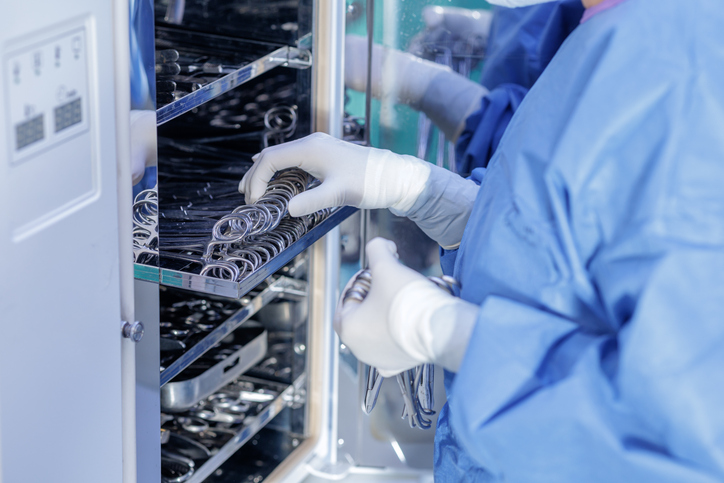
For NGOs working in Nigeria, medical logistics is rarely as simple as “send it and wait.” A delivery may involve moving health kits from Lagos to Abuja, transporting outreach materials to a rural community, coordinating cold-chain items, or getting supplies to a field team before a medical campaign starts the next morning.
That is why reliable NGO medical logistics in Nigeria requires more than a driver and a waybill. It needs planning, route knowledge, careful handling, timing, communication, and a logistics partner that understands how medical and humanitarian operations work on the ground.
Travo.ng supports organisations that need practical transport, delivery, courier, cargo, and field logistics coordination across Nigeria, especially when timing and accountability matter.
What NGOs Usually Need to Move During Medical Projects
Medical logistics for NGOs can cover many types of items. Some are urgent, some are sensitive, and some simply need proper coordination so field teams are not delayed.
Common items include:
Medical outreach supplies: Gloves, masks, syringes, dressings, diagnostic tools, health education materials, and basic clinical consumables.
Programme equipment: Tents, tables, chairs, banners, registration materials, weighing scales, coolers, and mobile clinic support items.
Pharmaceutical and health products: Medicines, supplements, mosquito nets, hygiene kits, maternal health products, and first-aid supplies.
Laboratory and sample movement: Medical samples may require careful packaging, fast pickup, proper documentation, and direct delivery to approved facilities.
NGO field team support: Airport pickups, vehicle hire, hotel coordination, interstate transport, and delivery of work materials to project sites.
The biggest mistake many organisations make is treating all these movements like normal parcel delivery. Medical logistics often needs more attention because delays can affect patients, field workers, donors, and project timelines.
Moving Supplies From Lagos to Abuja and Other Key Routes
Lagos remains one of the busiest entry points for medical supplies in Nigeria because many imports, warehouses, and vendors are located there. From Lagos, NGOs often need onward delivery to Abuja, Ibadan, Benin, Port Harcourt, Kano, Enugu, Kaduna, or state-level project offices.
A Lagos to Abuja movement can usually be handled by road or air, depending on urgency, budget, and the type of item. For bulky outreach materials, road transport is often more practical. For urgent medical documents, lightweight kits, or time-sensitive supplies, air cargo or express courier coordination may be better.
For road logistics, planning must consider:
Pickup timing in Lagos: Traffic around Ikeja, Apapa, Oshodi, Ajah, and Lekki can affect dispatch time.
Packaging quality: Medical supplies should be sealed, labelled, and protected from heat, dust, water, and rough handling.
Route and vehicle selection: A small van may work for cartons, while larger outreach materials may need a bus, truck, or dedicated vehicle.
Receiver availability: Field teams must be ready to receive items, especially in locations where storage is limited.
With Travo.ng, NGOs can coordinate courier services, cargo movement, vehicle hire, airport pickups, and delivery support based on the actual project need, not a one-size-fits-all arrangement.
When Timing Can Make or Break a Medical Outreach
Medical outreach work in Nigeria often runs on tight schedules. A team may arrive in a state on Friday, set up on Saturday morning, and begin screening patients immediately. If supplies arrive late, the entire outreach can slow down.
For example, an NGO planning a health screening in Ibadan may need items picked up from a supplier in Lagos, delivered to a hotel or partner clinic, and confirmed before the team arrives. Another organisation may need medical kits sent from Abuja to Kaduna before an early morning field visit.
Good logistics planning should answer simple but important questions:
Who is picking up the items?
What time will pickup happen?
Is the vehicle suitable for the load?
Who will receive the items?
Is there proof of delivery?
What is the backup plan if there is traffic, rain, road delay, or receiver unavailability?
These details may look small, but they are what separate reliable NGO medical logistics in Nigeria from stressful last-minute dispatch.
Handling Sensitive Medical Items With More Care
Not every medical item can be thrown into a regular delivery bag. Some products need temperature awareness, careful packaging, or direct movement without unnecessary stops. While not every NGO shipment requires full cold-chain logistics, many still need safer handling than general cargo.
Before sending medical items, NGOs should confirm:
Whether the item is heat-sensitive
Whether it needs insulation or a cooler box
Whether it can travel with non-medical cargo
Whether documentation is required at pickup or delivery
Whether the receiver must sign, inspect, or store it immediately
For items such as lab samples, test kits, certain medicines, and health commodities, it is better to plan the movement clearly instead of relying on informal dispatch arrangements.
Travo.ng can help coordinate suitable delivery options, courier support, transport vehicles, and practical routing depending on the nature of the medical shipment.
Common Mistakes NGOs Should Avoid
Many delivery problems happen before the vehicle even moves. NGOs can reduce delays by avoiding these common mistakes:
Booking too late: Medical logistics should not be arranged only when the field team is already waiting.
Poor labelling: Cartons should be clearly marked with receiver name, project name, destination, and handling instructions.
Using the wrong vehicle: A motorcycle may not be suitable for fragile, bulky, or sensitive medical items.
Ignoring receiver details: Delivery can fail if the contact person is unavailable or the address is incomplete.
No delivery confirmation: NGOs need proof that items arrived safely, especially for donor-funded projects.
A reliable logistics process protects both the project and the people depending on it.
How Travo.ng Supports NGO Medical Logistics in Nigeria
Travo.ng helps NGOs, health teams, development organisations, and project coordinators manage practical movement across Nigeria. Depending on the job, support can include courier services, delivery services, cargo logistics, vehicle hire, airport pickup, relocation support, hotel reservations, and transport coordination for field teams.
For NGOs running health programmes, this means one partner can help with both item movement and travel support. A team flying into Lagos or Abuja can arrange airport pickup, move medical supplies, book transport to project locations, and coordinate deliveries to clinics, offices, hotels, or field sites.
That kind of coordination is especially useful when teams are working across multiple locations or managing short project timelines.
Booking NGO Medical Logistics Without Guesswork
Before booking, prepare the basic details:
Pickup address
Delivery address
Item type and quantity
Weight or carton size
Preferred delivery timeline
Contact person at pickup and delivery
Any special handling instruction
Vehicle preference if needed
The clearer the information, the easier it is to recommend the right logistics option and avoid unnecessary cost or delay.
For organisations searching for NGO medical logistics in Nigeria, Travo.ng offers a practical way to coordinate medical supply movement, delivery, transport, and field support with local understanding. Whether it is a small parcel, outreach equipment, intercity cargo, or project team movement, the goal is simple: get the right items and people where they need to be, safely and on time.
