


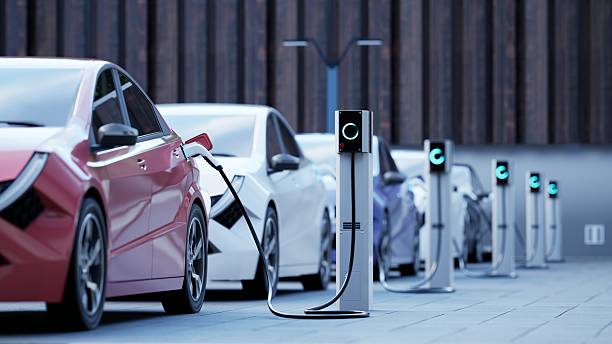
A chinese electric truck is no longer just something people discuss in import forums or auto expos. Nigerian logistics businesses, delivery companies, manufacturers, and transport operators are now looking at electric trucks as a practical way to reduce diesel pressure, especially on predictable routes.
For many businesses in Lagos, Abuja, Port Harcourt, Ibadan, and Kano, the real question is not whether electric trucks are modern. The question is whether they can work inside Nigeria’s daily logistics reality.
Traffic delays, charging access, loading time, road condition, delivery urgency, and customer expectations all matter. That is where proper logistics planning becomes more important than simply buying or hiring a truck.
Where a Chinese Electric Truck Makes Sense in Nigeria
Electric trucks are not suitable for every movement yet. For example, a heavy interstate cargo trip from Lagos to Maiduguri may still require careful planning around range, charging, backup support, and road conditions.
But for controlled delivery routes, they can be very useful.
A chinese electric truck can work well for:
- Warehouse-to-retail deliveries within Lagos
- Corporate supply runs between Lekki, Victoria Island, Ikeja, and Yaba
- Food, packaged goods, and FMCG distribution
- Short-distance cargo movement in Abuja
- Scheduled business deliveries from depots to outlets
- Estate, mall, hotel, and office supply logistics
The best results usually come when the truck runs planned routes instead of random long-distance trips. For instance, a business moving stock daily from Amuwo Odofin to Lekki Phase 1 can plan charging, loading, dispatch timing, and return movement better than a company sending goods to different states without route control.
What Businesses Should Check Before Using One
Before choosing an electric truck for delivery or cargo movement, the first thing to confirm is the job itself.
How heavy is the load?
How far is the route?
Will the truck make one trip or several drops?
Can it return to base for charging?
Is the delivery urgent or flexible?
In Nigerian logistics, small details can change the cost and timing of a job. A parcel delivery from Ikeja to Ajah is different from moving cartons from Apapa to a supermarket chain in Abuja. Even within Lagos, traffic on Third Mainland Bridge, Lekki-Epe Expressway, Apapa-Oshodi, or Ikorodu Road can affect delivery timing.
This is why Travo.ng focuses on matching the movement with the right transport option, instead of forcing one vehicle type into every job.
Cost Expectations and Practical Planning
The cost of using a chinese electric truck depends on the route, cargo size, waiting time, number of delivery stops, and whether the movement is one-off or regular.
For local business deliveries, customers may pay based on distance, vehicle capacity, and dispatch urgency. For larger cargo movement, pricing may include loading support, driver time, route complexity, and return logistics.
A bakery supplying outlets in Lagos every morning will have different needs from an electronics seller moving cartons from Trade Fair to Abuja. A hotel needing regular laundry pickup will also require a different plan from a company relocating office equipment.
Instead of guessing, the better approach is to request a quote with clear details:
- Pickup and delivery locations
- Type of goods
- Estimated weight or volume
- Preferred delivery time
- Loading and offloading needs
- Whether the movement is recurring
With Travo.ng, customers can arrange delivery services, cargo logistics, courier support, vehicle hire, and business logistics coordination based on the actual job.
Avoiding Common Mistakes With Electric Truck Logistics
One mistake businesses make is focusing only on the truck and ignoring the operation.
A good vehicle can still fail if dispatch timing is poor, the route is unrealistic, or the customer does not prepare goods before pickup.
Another mistake is treating every delivery as urgent. If goods can move during lower-traffic periods, such as early morning or after peak hours, the trip may be faster and more predictable.
Businesses should also avoid overloading. Electric trucks, like diesel trucks, perform best when used within their proper capacity. Overloading can affect range, safety, delivery timing, and vehicle reliability.
How Travo.ng Helps With Smarter Logistics
Travo.ng helps customers plan transport and logistics around real Nigerian conditions. Whether you need courier services, cargo delivery, relocation support, airport pickup coordination, hotel booking for business travel, or vehicle hire, the goal is simple: make movement easier and more reliable.
For companies considering a chinese electric truck for regular delivery operations, Travo.ng can help assess the route, delivery pattern, cargo size, and timing before recommending the right logistics option.
The future of transport in Nigeria will likely include more electric trucks, cleaner fleets, and smarter delivery planning. But the businesses that benefit most will be those that plan properly, choose the right routes, and work with logistics partners who understand how movement actually works on Nigerian roads.
With Travo.ng, customers can book practical transport and delivery solutions that fit their real needs, not just the latest trend.
