


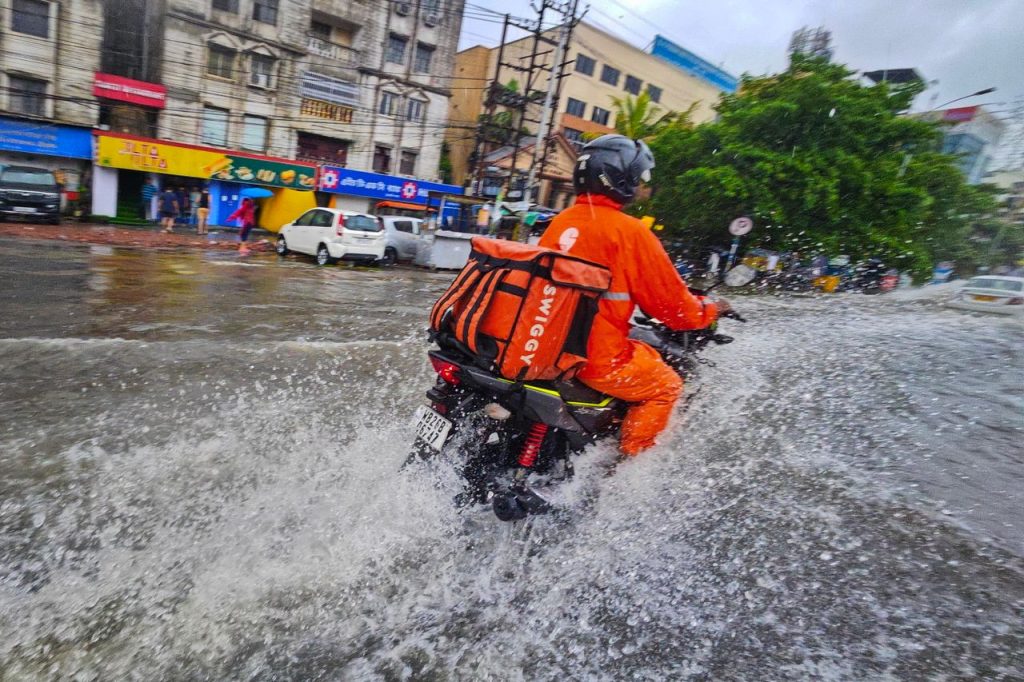
Flooding can disrupt the final stage of delivery more quickly than many businesses expect. A parcel may already be inside the customer’s neighbourhood, yet still remain undelivered because the access road is submerged, traffic has stopped moving or the rider cannot safely continue.
This makes last-mile delivery during flooding one of the most difficult parts of logistics in Nigeria’s rainy season. The challenge is not simply getting close to the destination. It is finding a safe and practical way to complete the delivery without damaging the item, risking the rider or creating unnecessary delays for the customer.
Businesses that prepare ahead can keep more orders moving, even when normal routes become unreliable.
Why the Final Few Kilometres Become the Hardest
A delivery from Ikeja to Lekki may move smoothly until the rider reaches a flooded estate road. In other cases, parcels heading to Ajah, Ikorodu, Port Harcourt or parts of Benin City may be delayed because drainage channels have overflowed or vehicles are being diverted.
Flooding creates several last-mile problems at once. Riders may have to turn back, motorcycles may become unstable, delivery vans may be unable to enter narrow streets and customers may not have a dry pickup point.
The safest route is not always the shortest route. A longer road through a less flooded area may be more reliable than attempting to cross deep water close to the destination.
Delivery Teams Need More Than a Customer Address
A standard address may not be enough during heavy rainfall. Dispatch teams should confirm the current condition of the area before the rider leaves.
Useful information includes the nearest dry landmark, alternative access roads, estate gate restrictions and whether the customer can meet the rider at a safer point.
For locations that flood regularly, businesses should keep notes on:
- Roads that become impassable after heavy rain
- Alternative entrances to estates or communities
- Nearby filling stations or supermarkets suitable for pickup
- Areas where motorcycles perform better than vans
- Locations that may require water transport
A quick phone call before dispatch can prevent a rider from spending an hour trying to enter a road that is already blocked.
How Businesses Protect Parcels From Rain and Floodwater
Proper packaging becomes more important during wet-season deliveries. A carton that is safe in a dry van may not survive exposure to heavy rain, splashes or a wet motorcycle box.
Clothing, documents, electronics, medication and food products should be placed inside sealed inner packaging before being added to the outer delivery pack. Fragile goods may also need stronger cartons because wet cardboard loses strength quickly.
Riders should not place parcels directly on flooded ground while waiting for a customer. Using raised boxes, waterproof delivery bags and plastic liners can reduce avoidable damage.
Customers should also be informed when an item is sensitive to water so they can prepare to receive it immediately.
When to Change the Delivery Method
Some flooded areas can still be reached by motorcycle, while others require a van, four-wheel-drive vehicle or boat. The right option depends on water depth, road condition, cargo size and local access.
For example, small parcels may be transferred from a delivery van to a motorcycle near a blocked road. In riverine or heavily flooded communities, a boat may be needed for the final section of the journey.
This type of transfer must be planned carefully. The parcel should be recorded at every handover, and the customer should receive updated delivery information.
Travo.ng can help businesses coordinate courier riders, vehicles, boat transport and delivery scheduling when a single transport method cannot complete the full route.
Customers Need Honest Delivery Updates
One of the biggest mistakes during flooding is promising normal delivery times when conditions have clearly changed. A same-day delivery may still be possible, but the customer should understand that safety checks and route changes can add time.
Useful updates should explain:
- Whether the rider has reached the area
- If an alternative route is being used
- Whether a safer pickup point is required
- The revised delivery window
- Any risk to temperature-sensitive or urgent goods
Clear communication reduces failed deliveries and helps customers make practical arrangements.
Prepare Before the Next Heavy Rain
Businesses should not wait until major roads are flooded before creating a wet-season delivery plan. Identify high-risk areas, review packaging standards and build relationships with different transport providers.
It also helps to group deliveries by location, send urgent items earlier in the day and avoid dispatching riders into severe weather when visibility is poor.
Reliable last-mile delivery during flooding depends on flexible routing, suitable vehicles, waterproof packaging and accurate communication.
Travo.ng supports businesses and individuals with courier delivery, vehicle hire, boat transport and wider logistics coordination across Nigeria. By combining these services where necessary, deliveries can continue safely and efficiently even when flooded roads disrupt normal operations.
