


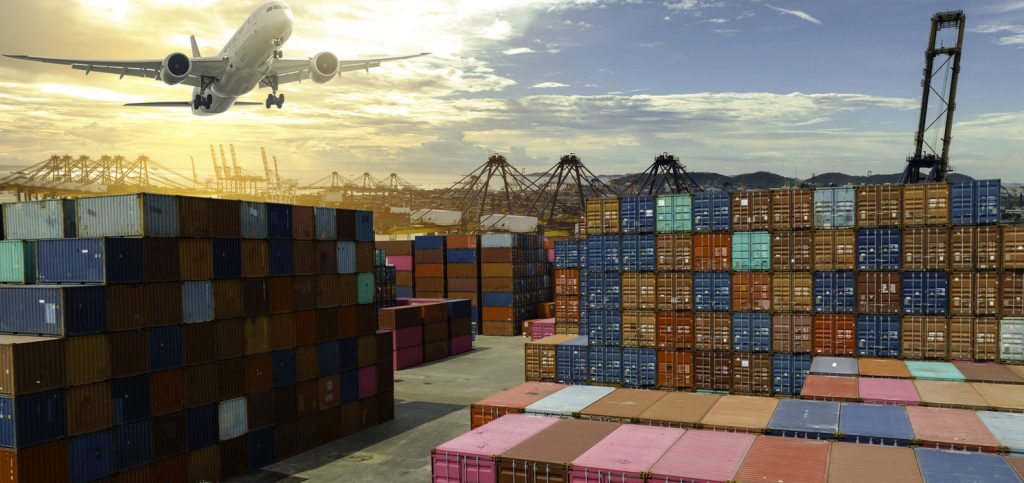
Clearing imported cargo through a container freight station in Nigeria can quickly become expensive when documentation, terminal handling, customs processes, and transport are not properly coordinated.
For businesses importing consolidated cargo, machinery, retail goods, spare parts, or commercial stock, the real challenge is rarely just getting the shipment into Nigeria. It is getting it cleared, released, collected, and delivered without unnecessary storage charges or delays.
Reliable container freight station clearing Nigeria support should therefore cover more than paperwork. Importers need someone who understands how cargo moves from arrival to final delivery and can coordinate each stage properly.
What Happens When Cargo Reaches a Container Freight Station
A container freight station, commonly called a CFS, is used for handling cargo before collection or onward transportation. This is particularly common with less-than-container-load shipments where goods belonging to different importers may arrive inside the same container.
Before an importer can collect the cargo, several steps may need to be completed, including:
- Documentation checks
- Customs assessment and clearance
- Terminal or handling payments
- Cargo examination where required
- Release processing
- Loading and transport arrangements
Delays at any of these stages can increase the cost of the shipment.
For example, a Lagos-based electronics importer may have goods arriving through a facility linked to the Apapa port corridor. Even after customs documentation is completed, poor coordination between the clearing process and truck pickup can leave the cargo sitting longer than necessary.
Documents That Commonly Affect CFS Clearing in Nigeria
Clearing problems often begin before the cargo reaches the terminal.
Importers should ensure that shipping and customs documents are consistent. Depending on the type of cargo, documents may include the bill of lading, commercial invoice, packing list, Form M documentation, PAAR, and permits from relevant regulatory agencies.
A small difference in product description, quantity, value, or consignee information can slow down processing.
Businesses arranging container freight station clearing in Nigeria should therefore review documentation early rather than waiting until the shipment is already available for clearance.
This becomes particularly important for regulated goods, machinery, food products, pharmaceuticals, chemicals, or items requiring additional approvals.
Clearing Costs Are More Than Customs Duty
Many first-time importers calculate customs duty but forget the operational costs surrounding cargo release.
Depending on the shipment, additional expenses may include terminal handling, examination charges, storage, documentation fees, loading, trucking, and delivery.
Transport costs also depend heavily on destination.
Moving released cargo from a Lagos terminal to a warehouse in Ikeja will generally require less transport coordination than moving the same shipment to Abuja, Kano, Benin City, or Port Harcourt.
Traffic around Apapa and Tin Can Island can also affect truck turnaround time. A vehicle booked too early may wait unnecessarily, while one booked too late can create another day of terminal storage.
The Expensive Mistake of Waiting Until Cargo Arrives
One of the most common logistics mistakes is beginning the clearing arrangement only after receiving an arrival notice.
By that point, missing documents or unresolved customs issues may already be creating delays.
A better approach is to prepare before arrival. Confirm the shipping documents, understand the cargo classification, identify possible regulatory requirements, estimate clearance costs, and arrange the likely transport plan in advance.
For regular commercial importers, this makes landed-cost calculations much more predictable.
Moving Cleared Cargo From Lagos to Other Nigerian Cities
Cargo clearance is only part of the journey.
Once the goods are released, businesses may still need trucking, interstate cargo movement, warehouse delivery, or distribution to multiple locations.
For example, a wholesaler importing goods into Lagos may need part of the cargo delivered to a warehouse in Trade Fair while another portion moves to customers in Abuja and Onitsha.
This is where combining clearing coordination with practical cargo logistics becomes useful.
Travo.ng can support businesses with cargo movement, delivery coordination, interstate logistics, vehicle arrangements, and related business logistics after cargo has been released.
How Travo.ng Supports Container Freight Station Clearing Nigeria Needs
Importers usually want three things: fewer surprises, faster coordination, and clear communication about what happens next.
Travo.ng helps customers coordinate the practical logistics surrounding container freight station clearing Nigeria, including cargo movement, transport planning, pickup arrangements, and delivery to the required destination.
For companies handling recurring imports, support can also extend to business logistics and scheduled cargo transportation.
The goal is not simply to get cargo out of a freight station. It is to ensure the entire movement from clearance to final delivery is organised properly.
When planning your next import shipment, involve your clearing and logistics team early. Good preparation before cargo arrival is usually far cheaper than solving avoidable problems after storage charges have already started accumulating.
