


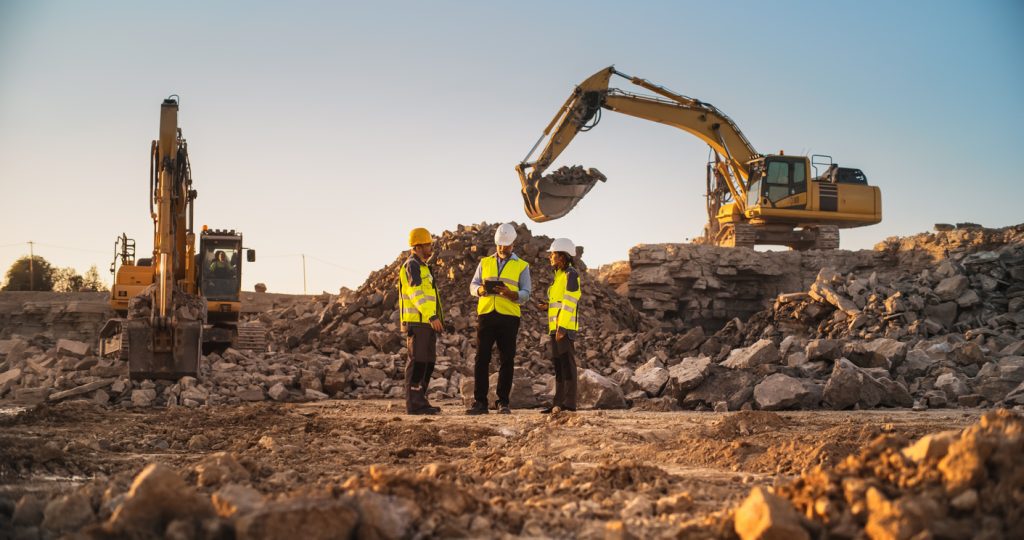
A cement raw material survey is often the first step before any serious investment in cement production. Whether the goal is establishing a new cement plant, expanding an existing facility, or assessing mineral deposits for commercial purposes, the quality of the survey can determine the success of the entire project.
Across Nigeria, demand for cement continues to grow due to infrastructure development, housing projects, road construction, and industrial expansion. This has increased interest in identifying reliable limestone deposits and other materials needed for cement manufacturing. However, conducting surveys in remote locations comes with practical challenges that go beyond geology alone.
What a Cement Raw Material Survey Typically Involves
A raw material survey is designed to determine whether an area contains sufficient quantities of materials required for cement production. The process often includes:
- Geological mapping
- Sample collection
- Laboratory analysis
- Deposit estimation
- Accessibility assessment
- Environmental considerations
- Transportation feasibility studies
The primary material being investigated is usually limestone, but surveys may also assess clay, shale, gypsum, laterite, and other minerals used during cement manufacturing.
In many parts of Nigeria, especially in states such as Kogi, Ogun, Benue, Sokoto, Cross River, and Ebonyi, survey teams frequently travel long distances to reach potential deposit sites.
Why Transportation Planning Matters During Field Surveys
One challenge many project owners underestimate is logistics.
A promising mineral deposit may be located several kilometres away from major roads or urban centres. Survey teams often need reliable transport to move personnel, equipment, samples, and support materials between locations.
For example, a team conducting fieldwork near a limestone-rich area in Kogi State may require:
- Airport pickup from Abuja or Lokoja routes
- Vehicle hire suitable for rough terrain
- Daily transportation for field personnel
- Movement of collected samples to testing facilities
- Accommodation arrangements for extended site visits
Without proper coordination, valuable survey time can be lost due to transport delays or poor route planning.
Common Problems Encountered During Survey Operations
Field teams conducting cement raw material assessments across Nigeria often face practical issues such as:
Difficult Site Access
Many mineral-rich locations are situated away from major highways. During the rainy season, some access roads become challenging for standard vehicles.
Delays in Sample Movement
Collected samples often need to be transported quickly to laboratories for analysis. Poor logistics coordination can delay project timelines significantly.
Accommodation Challenges
Survey projects may require teams to remain on-site for several days or weeks. Finding suitable lodging near remote locations is not always straightforward.
Coordinating Multiple Teams
Large-scale surveys may involve geologists, engineers, environmental consultants, project managers, and support personnel working simultaneously across different locations.
These operational challenges can increase costs when not properly managed from the beginning.
What Project Developers Usually Consider Before Choosing a Site
A mineral deposit may look attractive on paper, but commercial viability depends on several practical factors.
Decision-makers typically evaluate:
- Quantity of available raw materials
- Material quality and consistency
- Distance to production facilities
- Road accessibility
- Availability of supporting infrastructure
- Transportation costs
- Environmental compliance requirements
A deposit with excellent mineral quality can become less attractive if transportation expenses make production economically difficult.
This is why logistics assessments are increasingly becoming part of the broader cement raw material survey process.
Supporting Survey Operations Across Nigeria
Organizations involved in mineral exploration, construction materials sourcing, and industrial development often require support services that extend beyond technical surveying.
Travo.ng helps simplify field operations by coordinating practical requirements such as:
- Vehicle hire for survey teams
- Airport pickup services
- Hotel reservations for project personnel
- Interstate transport coordination
- Business travel arrangements
- Logistics support for equipment movement
For projects involving multiple locations, having transportation and travel logistics managed through a single provider can reduce operational complexity and help teams focus on technical survey work.
Planning for the Next Stage After the Survey
Once survey results confirm the presence of commercially viable raw materials, the focus typically shifts toward feasibility studies, project development, and infrastructure planning.
At this stage, businesses often require increased movement of personnel, consultants, equipment suppliers, and project stakeholders across various Nigerian cities. Efficient travel planning and logistics coordination become even more important as project activities expand.
A successful cement raw material survey does more than identify mineral deposits. It provides the information needed to make informed investment decisions while highlighting the transportation and operational realities that will influence long-term project success.
For companies conducting surveys anywhere in Nigeria, combining technical expertise with practical logistics planning can save time, reduce costs, and improve project outcomes from the very beginning.
