

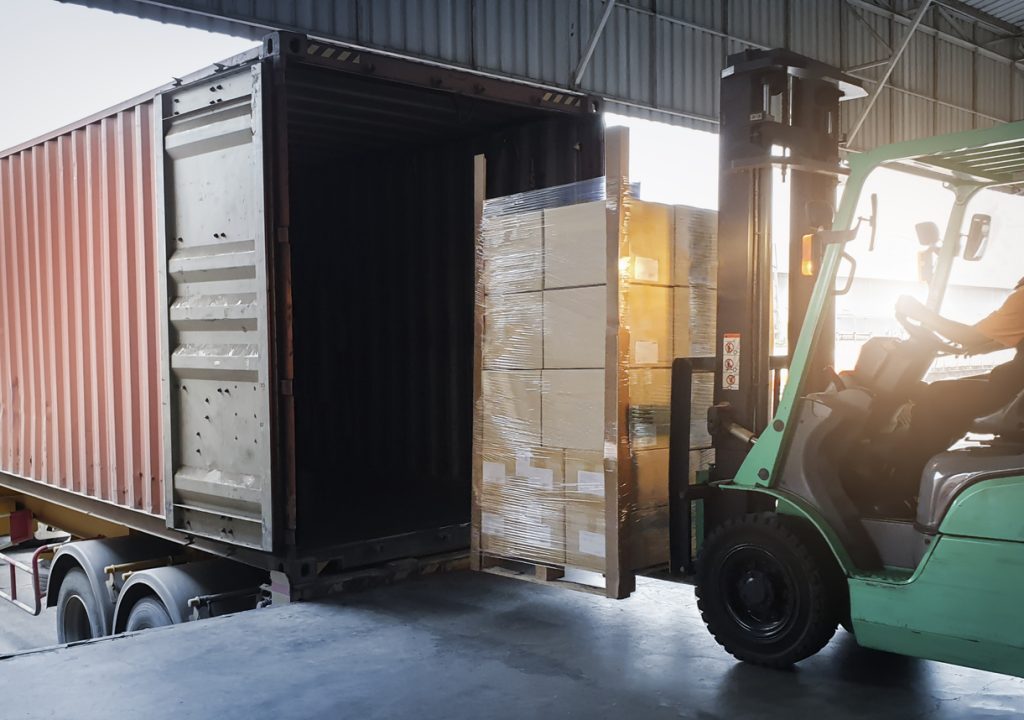
A search for 20ft container haulage Lagos or 40ft container haulage Lagos usually means you have goods arriving, a warehouse waiting and a deadline to keep. The useful answer is more than a truck price. You need to know whether the container is ready for collection, which trailer can carry it, what the delivery location can accept and who returns the empty box.
Travo.ng’s container transport service lists 20ft and 40ft port movements, including Apapa and Tin Can, with inland delivery options. Share your actual shipment details for vehicle matching and availability. This guide explains what to settle before a truck is committed.
Apapa container haulage and Tin Can port haulage: start with the exact terminal
“Lagos port” is not a sufficient pickup address. State Apapa or Tin Can Island, the specific terminal, container number, shipping line and the clearing agent coordinating collection. Confirm whether you are moving an import container, collecting an empty for export stuffing, returning a loaded export container or transferring a box between approved facilities.
Each movement has its own release documents, access arrangements and timing. A truck quotation for an import delivery should not be treated as an export movement quotation. If the goods are still being cleared, review the customs clearance guide and ask the agent to confirm what remains outstanding.
20ft versus 40ft: match the truck to weight and access
Container length tells the operator which equipment is needed, but it does not tell them the cargo’s weight. A 20ft box of dense goods may be heavier than a 40ft box of light cartons. Send the declared cargo weight and container gross weight, identify standard or high-cube equipment where relevant, and disclose any unusual loading or cargo characteristics.
The haulier must assess the complete vehicle and load, including axle distribution, suitable container securing equipment and the route. Do not assume any available flatbed can safely collect your container or that a longer container automatically has a higher permissible payload.
| Detail | 20ft container | 40ft container |
|---|---|---|
| Equipment | Confirm suitable chassis and securing arrangement | Confirm chassis, container type and securing arrangement |
| Weight | Give cargo and container gross weight | Give cargo and container gross weight |
| Destination | Confirm gate width, road access and unloading space | Confirm gate width, turning space and trailer clearance |
| Return | Confirm designated return location and deadline | Confirm designated return location and deadline |
Port logistics Lagos: collection is a coordinated process
- Prepare the movement. Confirm cargo, terminal, proposed collection date, destination and receiving contact.
- Check releases. Your authorised clearing team confirms customs status, shipping-line release and terminal requirements. One approval does not automatically replace the others.
- Confirm truck access. The transport team checks the applicable call-up, registration and terminal entry requirements.
- Collect and document. Record the container and seal numbers, vehicle details and collection paperwork.
- Deliver and offload. The receiving team checks the seal and condition, documents discrepancies and completes the agreed unloading.
- Return the empty. Follow the shipping line’s nominated location and obtain return evidence.
The Nigerian Ports Authority’s Eto launch statement describes electronic scheduling for Lagos Ports Complex and Tin Can Island truck access, with approved truck parks and shipping-company holding bays for empty returns. Ask your operator to confirm the current procedure for the particular terminal and movement; the launch notice is background, not a current tariff or a promised entry slot.
What should a container haulage quote include?
Compare quotes on the same written specification. The price should identify the pickup terminal, delivery address, container size, expected weight, collection assumptions and whether the empty return is part of the job. Clarify whether the quoted amount is fixed for that specification or conditional on release and waiting time.
- Road transport: truck, driver, agreed route and trip scope.
- Port access: applicable booking or access costs and who arranges them.
- Waiting allowance: included loading and offloading time, when the clock starts and the extra charge basis.
- Handling: loaders, forklift or cranage if requested; these should be expressly included or excluded.
- Empty return: return location, permitted delay and any extra travel.
- Insurance: coverage, declared cargo value, exclusions and claim procedure.
- Other charges: applicable taxes, extra stops and changes to the agreed movement.
Customs duties, shipping-line charges and terminal storage are separate cost categories from road haulage unless a combined service explicitly includes them. Ask for each line to be explained. Old online prices for a different terminal, destination or month are not reliable substitutes for a current written quote.
Prevent waiting time at the warehouse
The receiving warehouse should confirm when the truck may arrive, whether a trailer can turn inside the compound and where unloading happens. Share a precise address and location pin, gate contact and a description of any narrow road, low overhead obstruction, weak access surface or restricted delivery window.
Decide whether the cargo will be unloaded while the container stays on the truck or whether a suitable facility will lift the container off. These are different operations. A driver does not bring container-lifting equipment simply because the vehicle is a container truck. Confirm manpower, handling equipment and the time needed before dispatch.
If the warehouse cannot receive a large trailer, ask about delivery to a suitable de-stuffing facility followed by smaller-vehicle distribution. That adds a handling stage and needs separate planning, packaging checks and a quote. Travo’s warehouse and fulfilment services may help connect storage and onward distribution, subject to the cargo and facility requirements.
Empty-container return: close the job properly
A successful cargo delivery does not always finish the container movement. The shipping line may require the empty box at a nominated depot or holding bay within an agreed period. Confirm the return instruction with the authorised agent and shipping line, rather than sending the driver to a convenient location.
Ask who books the return, who pays for additional waiting or a changed return depot, and who keeps the receipt. Record unloading completion and return acceptance. Shipping-line detention and terminal storage can have different charging rules; use the line’s written terms rather than assuming one free-time allowance covers everything.
For exports, plan both the empty pickup and loaded return
If you are exporting, tell the dispatcher where stuffing takes place, when the cargo will be ready and the terminal cut-off you have been given. Confirm the allocated container, seal, loading arrangement and the responsible forwarding contact. The road plan should allow for collection, safe stuffing, documentation readiness and terminal acceptance.
Do not book transport only against a vessel’s headline departure date. The applicable cargo and document cut-offs can be earlier. Use the international freight forwarding guide to coordinate the shipping and road stages with one clear responsibility list.
Multiple containers and interstate destinations
For several containers, share a schedule showing box numbers, release status, delivery sequence and how many trucks the warehouse can unload at once. Stagger arrivals around actual offloading capacity. Dispatching every box simultaneously can create a second queue at your own gate.
For Abuja, Kano, Port Harcourt or another inland destination, confirm the proposed route, delivery window, receiver availability and empty-return scope. Do not assume a quoted city-to-city journey time includes port waiting, unloading and return travel. See road freight Nigeria for delivery and dispatch planning.
Prepare your container haulage enquiry
Use this copyable outline when asking Travo for a quote:
Movement: import delivery / export / empty return.
Port and terminal: [exact location].
Container: [number, 20ft or 40ft, type, gross weight].
Cargo: [description and any special handling].
Release: [confirmed status and agent contact].
Delivery: [address, location pin and receiving hours].
Offloading: [equipment, labour and estimated duration].
Empty return: [location, deadline and responsibility].
Preferred collection: [date and flexibility].
Please state transport, access, waiting, handling, insurance and return inclusions.
For collection after customs release, use customs-cleared cargo delivery in Lagos. If you are transporting loose freight instead of a sealed container, compare FTL and LTL transport and truck rental with a driver before choosing the vehicle.
Container evacuation Lagos: define the release and return milestones
Port evacuation services move cargo out of the terminal after the required releases and collection arrangements are ready. The ship arriving is not the same milestone as the container being available to a truck. Obtain the exact terminal, container number, release status, collection instructions and delivery address from the responsible agent before fixing dispatch.
Ask who checks current access and call-up requirements and who pays any applicable port-process charges. The Nigerian Ports Authority’s 2021 electronic truck call-up announcement explains the Eto scheduling framework for Lagos ports. Confirm the current process with the terminal and dispatch team for your collection; a haulage payment alone does not create release authority or a gate slot.
Import cargo delivery and export cargo transport
For an import, agree collection, seal recording, warehouse arrival, offloading or de-stuffing, and empty return as separate tasks. Tell the team if the warehouse cannot receive a full-height container truck or has no equipment to unload. Record the receiving hours and an alternative contact before the truck leaves the terminal.
For an export, confirm the shipping instructions, empty pickup depot, stuffing location and required terminal delivery window. Ask the forwarding agent which shipment documents and cargo declarations must be ready. A truck booking does not guarantee acceptance by the terminal or loading on a particular vessel.
Compare container trucking quotes beyond the port run
Have each quote state truck movement, agreed waiting time, offloading arrangements and empty-container return. Where charges depend on time, ask when the clock starts and what ends it. Confirm the authorised return depot and keep its receipt: delivery to the warehouse does not by itself close the container job.
For multiple containers, phase arrivals around receiving capacity rather than dispatching every truck together. Share the expected daily throughput, labour and forklift availability. A staggered plan can be more workable than creating a queue at the destination.
Use our customs-cleared cargo delivery checklist to join release with collection, and marine-to-road logistics Lagos guide when evaluating a barge leg. Request Travo container haulage with the complete route and responsibilities; ask for a confirmed plan rather than assuming same-day evacuation is available.
Arrange your haulage with Travo.ng
Send your cargo type, packed dimensions, gross weight, pickup and delivery addresses, preferred date and loading arrangements through Travo’s truck and haulage service. The dispatch team can match the vehicle, confirm availability and provide a firm quotation. Ask about driver tracking, waybills, proof of delivery, loading support and goods-in-transit insurance for your specific shipment.
Is a 40ft container always more expensive to haul than a 20ft?
Not necessarily. Container type, gross weight, route, vehicle availability, waiting and return requirements affect the quote. Compare written prices for the actual movement rather than applying a fixed size multiplier.
Can I collect a container immediately after customs release?
Check shipping-line and terminal release requirements, truck access and collection arrangements as well. Customs release alone does not confirm every condition for gate-out.
Does Travo’s quote include offloading and empty return?
Ask the dispatch team to state both explicitly. The scope depends on the shipment, destination, equipment and shipping-line return instructions.
