


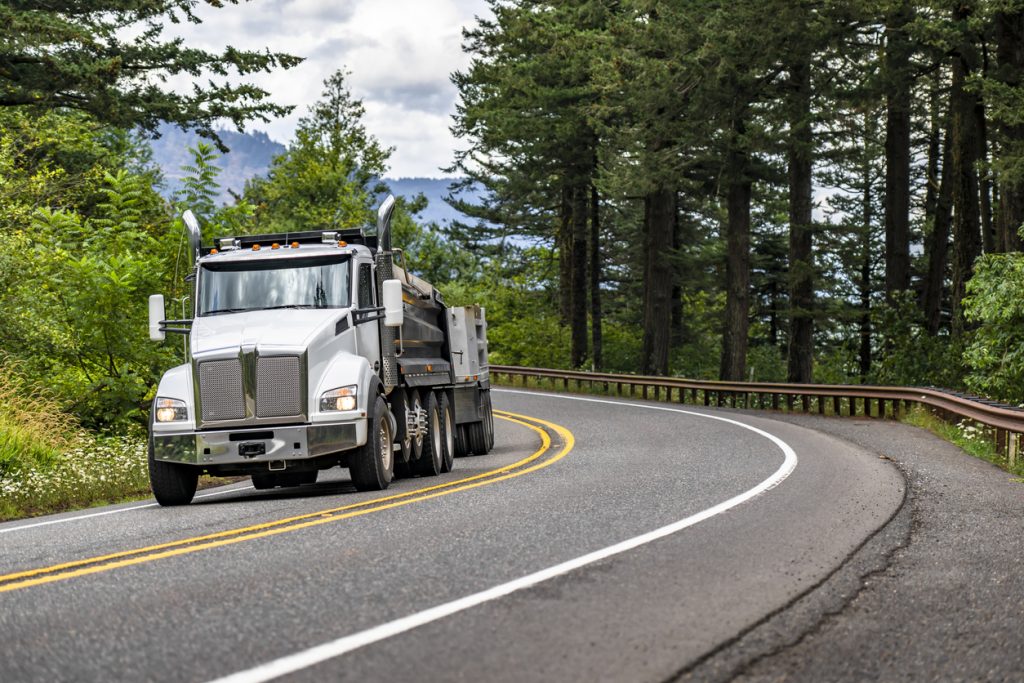
Trucking logistics refers to the planning, coordination, and execution of transporting goods by trucks from one location to another. It is a core part of the supply chain, especially for moving goods across cities, states, ports, and international borders.
In Nigeria and across Africa, trucking logistics is essential for imports, exports, FMCG distribution, construction materials, and industrial supply chains.
What Trucking Logistics Includes
A full trucking logistics operation covers:
- Cargo pickup and delivery
- Route planning and optimization
- Fleet dispatch and scheduling
- Warehouse-to-destination movement
- Port clearance and inland haulage
- Load consolidation and distribution
- Real-time tracking of shipments
- Driver and vehicle coordination
Types of Trucking Logistics
1. Full Truckload (FTL)
- One truck carries one shipment
- Used for large or high-value cargo
- Faster and more secure
2. Less Than Truckload (LTL)
- Multiple shipments in one truck
- Cost-effective for smaller cargo
- Requires careful coordination
3. Long-Haul Trucking
- Interstate or cross-border transport
- Examples: Lagos → Abuja, Nigeria → Ghana routes
- Focus on endurance and route planning
4. Last-Mile Trucking
- Final delivery from warehouse to customer
- Critical for e-commerce and retail logistics
5. Specialized Trucking
Used for:
- Refrigerated goods (cold chain logistics)
- Heavy machinery
- Oil & gas equipment
- Construction materials
Key Components of Trucking Logistics
1. Fleet Management
- Truck assignment
- Maintenance scheduling
- Fuel monitoring
2. Dispatch Operations
- Coordinating pickups and deliveries
- Assigning drivers
- Managing delivery timelines
3. Route Optimization
- Reducing fuel costs
- Avoiding traffic delays
- Improving delivery speed
4. Cargo Handling
- Loading and unloading coordination
- Safety and packaging compliance
- Cargo tracking
5. Tracking Systems
- GPS tracking of trucks
- Real-time shipment visibility
- Delivery confirmation
Benefits of Trucking Logistics
1. Efficient Goods Movement
Ensures fast delivery of goods across long distances.
2. Cost-Effective Transport
Trucking is often cheaper than air freight for large shipments.
3. Flexible Operations
Can handle different cargo types and sizes.
4. Wide Reach
Connects ports, warehouses, cities, and rural areas.
Challenges in Trucking Logistics (Nigeria Context)
- Poor road infrastructure on some routes
- High fuel costs
- Traffic congestion in major cities
- Delays at ports and checkpoints
- Security risks on certain highways
- Vehicle maintenance issues
Industries That Rely on Trucking Logistics
- FMCG (food and beverage companies)
- Oil and gas industry
- Construction and engineering firms
- Import/export businesses
- E-commerce and retail
- Manufacturing companies
Trucking Logistics vs General Transport
| Trucking Logistics | General Transport |
|---|---|
| Cargo-focused | Passenger-focused |
| Supply chain driven | Personal mobility |
| Uses heavy-duty vehicles | Uses cars, buses, SUVs |
| Requires logistics coordination | Simple point-to-point travel |
Technology in Modern Trucking Logistics
Modern systems now use:
- GPS fleet tracking
- Route optimization software
- Digital dispatch platforms
- Fleet maintenance systems
- Automated delivery tracking
These technologies improve speed, safety, and cost efficiency.
Why Trucking Logistics Is Growing in Africa
- Expansion of trade and imports
- Growth in e-commerce and retail distribution
- Development of industrial zones
- Increasing cross-border trade (ECOWAS routes)
- Rising demand for structured supply chains
How Travo.ng Fits Into Trucking Logistics
Trucking logistics requires coordination between vehicles, routes, and delivery execution.
Travo.ng supports operations through:
- Fleet dispatch and coordination
- Cargo movement planning
- Port-to-warehouse logistics support
- Interstate trucking coordination
- Supply chain transport execution
- Integration of fleet availability into logistics planning
This ensures goods move efficiently from origin to destination without disruption.
Conclusion
Trucking logistics is the backbone of modern supply chains, enabling the movement of goods across cities, states, and countries. It combines fleet management, route planning, and cargo handling to ensure efficient and reliable delivery.
