


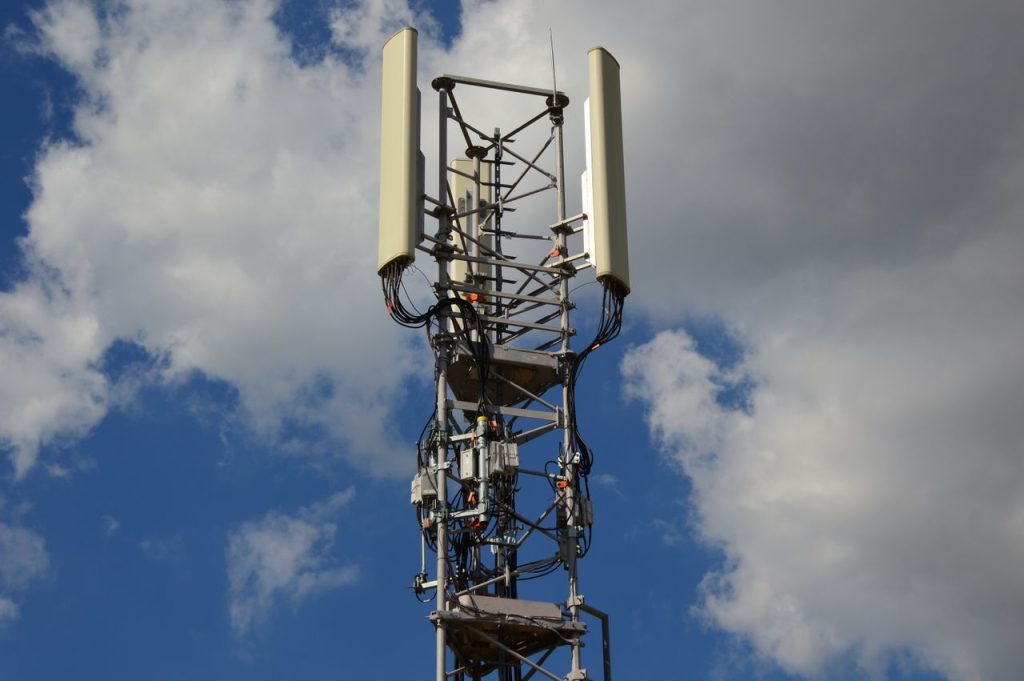
A damaged fibre line, failed power unit or faulty base station component can affect calls, internet access and business operations across an entire area. Once a fault is reported, the technical repair may be straightforward, but getting engineers, tools and replacement parts to the site can become the bigger challenge.
Reliable mobile network repair logistics Nigeria helps telecom operators, contractors and infrastructure companies respond to network faults without losing valuable time to poor transport planning.
The work may involve collecting equipment from a warehouse in Lagos, picking up engineers from different locations and delivering everything to a remote base station. When these movements are not coordinated properly, repair teams can arrive without the correct part or remain stranded while customers continue experiencing poor service.
Network Repairs Often Depend on One Missing Component
Telecom maintenance teams carry basic tools, but they cannot keep every possible replacement part in each vehicle. A repair may require batteries, radio equipment, cables, antennas, rectifiers, connectors or generator components stored at another facility.
For example, an engineer attending a network outage in Ikorodu may discover that a faulty power module must be replaced. The required unit could be inside a warehouse in Ikeja, while the company’s regular dispatch vehicle is handling another assignment.
An urgent courier or dedicated vehicle can collect the component and take it directly to the site. This prevents the engineer from abandoning the repair location and returning through Lagos traffic to collect it personally.
What Must Be Coordinated During a Network Failure
Repair logistics is not simply about sending a parcel. The movement must support the technical team’s full working plan.
A typical response may involve:
- Transporting engineers to the affected location
- Collecting replacement parts from a warehouse
- Moving ladders, batteries and testing equipment
- Delivering fuel to a generator-powered site
- Arranging accommodation for overnight work
- Providing a suitable vehicle for rough access roads
- Returning faulty components for inspection
Every stage should have a named contact person and realistic timing. Sending a driver without the engineer’s phone number or the site’s access instructions can create unnecessary delays.
Urban and Remote Sites Require Different Vehicles
A motorcycle courier may be suitable for small telecom parts within Lagos, Abuja or Port Harcourt. It can move through traffic faster than a van when the item is lightweight and properly packaged.
Larger equipment requires a van, pickup truck or flatbed vehicle. Heavy batteries and generator components must be secured to prevent movement during transit.
Remote sites present additional problems. A telecom tower outside Minna, along the Benin–Auchi road or within a riverine part of Bayelsa may require a four-wheel-drive vehicle, boat transport or both.
Before dispatch, the operations team should confirm:
- The exact site coordinates or nearest landmark
- The condition of the access road
- The size and weight of the equipment
- Whether lifting assistance is available
- The engineer’s expected arrival time
- Security or access clearance requirements
Choosing the vehicle based only on distance can leave equipment stuck before it reaches the site.
Packaging Sensitive Telecom Equipment Properly
Network components can be damaged by impact, moisture, dust or careless stacking. Radio units, routers and testing devices should not be transported loosely in the back of a vehicle.
Use padded packaging where necessary and clearly label fragile equipment. Small components should be placed inside sealed containers so they are not lost during loading.
Equipment being transported during heavy rain needs waterproof protection, particularly when an open pickup truck is used. Faulty components returning to the workshop should also be tagged properly so they are not confused with working stock.
Good documentation helps the receiving team confirm exactly what was delivered and what must be returned.
After-Hours Repairs Need Advance Planning
Network faults do not only happen during working hours. A base station may fail late at night, during a public holiday or after heavy rainfall.
Emergency response becomes more expensive and difficult when warehouses are locked, drivers are unavailable or site access has not been approved. Telecom companies should maintain an escalation list covering engineers, storekeepers, drivers and security personnel.
Frequently used parts can also be positioned in regional storage locations. Keeping every replacement item in Lagos creates avoidable delays when faults occur in Enugu, Kano, Ibadan or other distant cities.
Travo.ng can support planned and emergency movement through courier delivery, vehicle hire, cargo transport and field-team coordination.
Arrange Telecom Repair Logistics With Travo.ng
Effective mobile network repair logistics Nigeria helps technical teams reach faulty sites with the correct equipment and complete repairs faster.
Travo.ng works with businesses and project teams to coordinate engineers, urgent spare-part deliveries, equipment transportation and vehicle hire across Nigeria. Support can be arranged for city locations, interstate assignments and sites requiring specialised access.
When transport, communication and equipment handling are managed together, engineers spend less time waiting and more time restoring reliable network service.
