

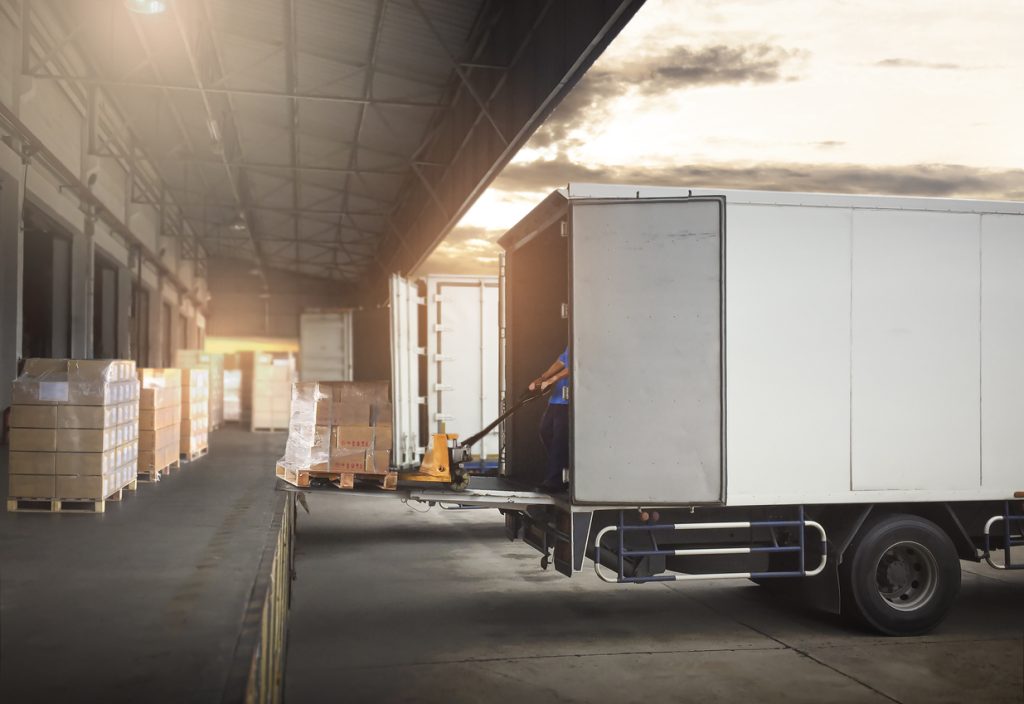
Port to warehouse transport in Lagos connects customs clearance with the moment your stock becomes usable. Importers searching for customs-cleared cargo delivery want a dependable handover: the right vehicle at the right terminal, a receiver ready to unload and clear evidence that the goods arrived.
Use a release-to-delivery responsibility checklist
Give each stage an owner. Your clearing agent confirms release documents and outstanding conditions; the haulier confirms vehicle and port access; the warehouse confirms its receiving slot and unloading resources. Agree one coordinating contact so the driver does not have to resolve conflicting instructions at the gate.
| Stage | Confirm before dispatch |
|---|---|
| Cargo readiness | Agent confirms customs, line and terminal requirements for collection |
| Vehicle | Correct equipment, driver details, loading date and access arrangements |
| Warehouse | Exact gate, receiving hours, turning space and unloading equipment |
| Completion | Signed delivery evidence, discrepancy process and any empty-return receipt |
Intact container or loose cargo delivery?
A sealed container needs compatible container transport and an empty-return plan. De-stuffed cartons or pallets may need an enclosed truck and an itemised loading count. Do not describe both as simply “one load”: the equipment, handling and paperwork differ. For container equipment, see 20ft and 40ft container haulage from Apapa and Tin Can; for smaller road consignments, compare FTL and LTL transport.
Before signing the delivery note
Check the container and seal numbers or the item count against the collection records. Note visible damage, missing packages or a seal discrepancy on the delivery evidence and contact the coordinating team promptly. Keep photographs where appropriate. Confirm the agreed procedure before unloading if a discrepancy needs investigation.
The receiver should be authorised to sign and should retain a copy of the waybill. If the goods are destined for further sale, a warehouse and fulfilment plan can connect receiving, storage and distribution. Travo also offers business delivery support for onward orders.
Clearing your goods at the port is only half of the job. Once customs documentation, examinations, duties, and terminal processes are complete, the cargo still needs to leave the port and reach your warehouse, shop, factory, construction site, or final customer.
That is where cargo haulage after clearance in Nigeria becomes important.
For many importers, this stage can be surprisingly stressful. A container may already be released, but delays in arranging the right truck, confirming terminal access, or coordinating delivery can create additional costs. Travo.ng helps businesses and individuals coordinate dependable cargo movement after clearance so goods can leave the port and continue to their final destination without unnecessary complications.
What Happens After Your Cargo Has Been Cleared
Once your clearing agent confirms that the cargo is ready for evacuation, haulage arrangements should already be taking shape.
For containerised cargo, the process normally involves assigning a suitable truck, providing the necessary release information, coordinating entry into the terminal, loading the container, and transporting it to the delivery location.
For example, an importer receiving goods through Lagos may need a container moved from the Apapa or Tin Can port area to a warehouse in Ikeja, Oregun, Isolo, Lekki, Ogun State, or another part of Nigeria.
The challenge is that port evacuation is not the same as ordinary city delivery. Drivers may face terminal queues, documentation checks, truck access requirements, Lagos traffic, and restrictions around certain routes.
Good coordination matters.
Why Waiting Until Clearance Is Complete Can Cause Problems
One common mistake importers make is waiting until the cargo has been completely cleared before looking for a truck.
By that time, they may urgently need a vehicle and have fewer options available.
A better approach is to start discussing haulage before the expected release date. This allows the transport provider to understand:
- Container size and cargo type
- Pickup terminal or bonded facility
- Delivery location
- Expected clearance date
- Truck requirements
- Offloading arrangements
- Whether the container must be returned after unloading
Early planning is particularly useful when moving several containers or transporting cargo outside Lagos.
Moving Cleared Cargo From Lagos to Other States
A significant amount of imported cargo arriving through Lagos eventually travels to destinations outside the state.
Common movements include Lagos to Abuja, Ibadan, Abeokuta, Benin City, Ilorin, Onitsha, Aba, Kano, and other commercial centres.
Long-distance haulage requires more than simply finding a truck.
The condition of the vehicle, route planning, cargo weight, security considerations, driver communication, fuel requirements, and expected delivery time all need to be considered.
For interstate movements, the importer should also make sure the receiving location can accommodate the truck. Sending a large container truck to a warehouse with narrow access roads can quickly turn a routine delivery into an expensive problem.
How Much Does Post-Clearance Haulage Cost
There is no single fixed price for cargo haulage in Nigeria.
The amount you pay depends on several practical factors, including the port or terminal, container size, cargo weight, destination, truck availability, fuel costs, road conditions, and whether the movement is within Lagos or interstate.
A container going from a Lagos terminal to a nearby industrial area will usually cost considerably less than one travelling to Abuja or another distant state.
It is better to request a quote using the exact pickup and delivery locations than to rely on a general online estimate.
Travo.ng can help customers arrange suitable transport and obtain practical haulage options based on the actual movement required.
Small Coordination Errors Can Become Expensive
Cargo evacuation works best when everyone involved has the same information.
Before dispatch, confirm the correct terminal, container number, delivery address, receiving contact, offloading arrangements, and any time restrictions at the destination.
Businesses should also avoid giving drivers vague delivery instructions such as “somewhere around Ikeja” or “call when you reach the area.” Large trucks need accurate directions because turning around or rerouting in congested Nigerian cities can be difficult.
For warehouse deliveries, confirm that forklifts, cranes, loaders, or labour needed for offloading will be available when the truck arrives.
Using Travo.ng for Cargo Haulage After Clearance
Travo.ng supports businesses and individuals that need practical logistics coordination after their goods have been released.
Depending on the shipment, this can include cargo haulage, transport coordination, interstate logistics, business delivery support, and related movement services.
The objective is straightforward: once your cargo is cleared, there should be a clear plan for getting it from the terminal to where it actually needs to go.
If you need cargo haulage after clearance in Nigeria, you can contact Travo.ng with your pickup terminal, cargo or container details, destination, and expected movement date to arrange a suitable transport solution.
For port evacuation services, read our container haulage and evacuation guide alongside this clearance checklist. If the collection route includes a barge transfer, the marine-to-road cargo planning guide helps align release, handling and the final road vehicle.
Arrange your haulage with Travo.ng
Send your cargo type, packed dimensions, gross weight, pickup and delivery addresses, preferred date and loading arrangements through Travo’s truck and haulage service. The dispatch team can match the vehicle, confirm availability and provide a firm quotation. Ask about driver tracking, waybills, proof of delivery, loading support and goods-in-transit insurance for your specific shipment.
Does cleared cargo mean the truck can leave the terminal?
Not automatically. Confirm all applicable shipping-line and terminal requirements, collection documents and vehicle entry arrangements with the authorised clearing and transport teams.
What if my warehouse cannot accept the container truck?
Tell the dispatcher before booking. A suitable de-stuffing facility and onward smaller vehicle may be an option, but handling, storage and extra transport need an agreed plan and price.
