


Updated 28 September 2026 · Travo.ng
Quick answer
To clear air freight through Nigerian Customs, you need a Form M opened through your bank (mandatory for imports over USD 1,000), a PAAR (Pre-Arrival Assessment Report), the air waybill, commercial invoice and packing list, plus any NAFDAC or SON certificates your goods require. Duty is charged on the CIF value at the rate for your goods’ HS code, and then a 7% surcharge on the duty, a 1% CISS levy, a 0.5% ETLS levy and 7.5% VAT are added. Customs is moving Form M and PAAR processing to its new B’Odogwu platform, so use a licensed customs agent who works on it.
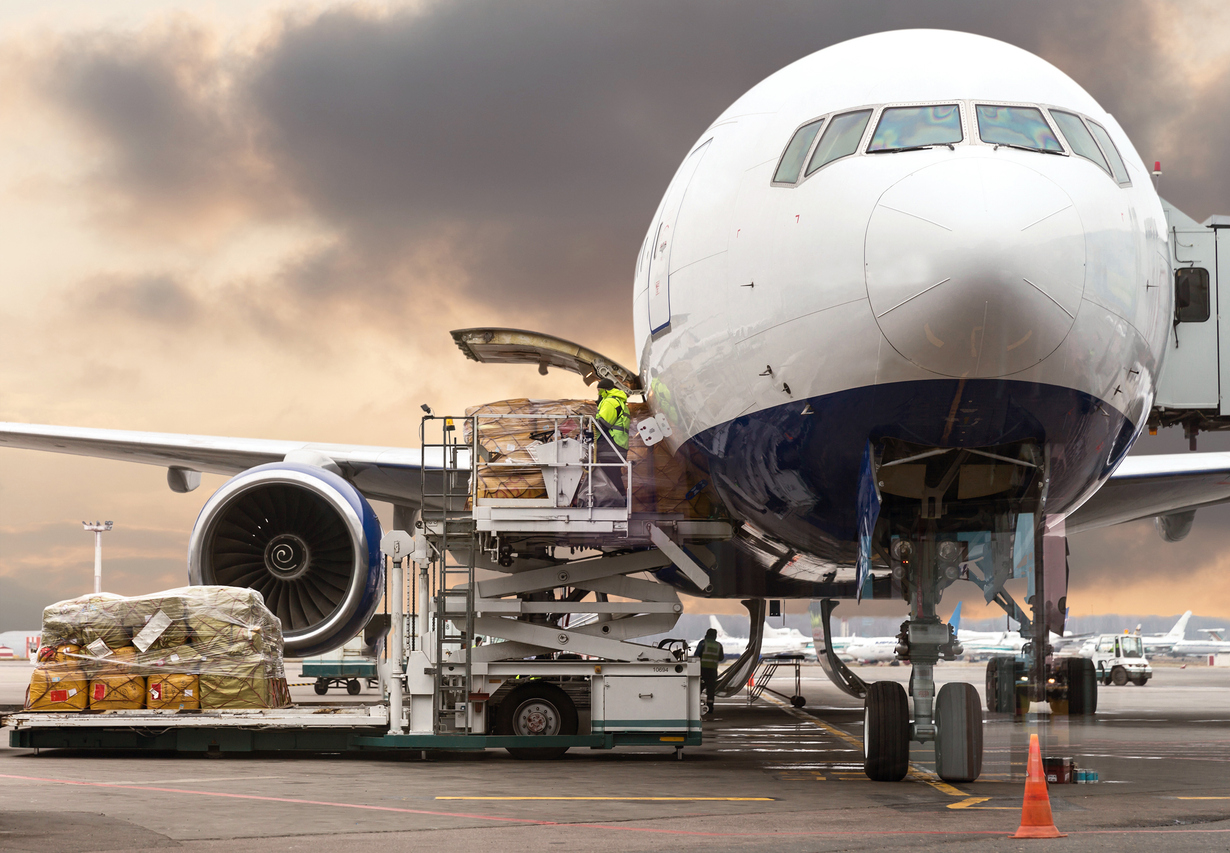
Air freight is the fastest way to bring goods into Nigeria, but speed in the air means little if the cargo then sits in a terminal waiting for paperwork. Most delays at Lagos, Abuja or Port Harcourt airport cargo terminals come from missing documents, wrong HS codes or unpaid duties. This guide walks through the documents, the duty calculation with a worked example, and the steps from arrival to delivery, using 2026 sources.
Documents you need for air freight clearance
| Document | What it is for |
|---|---|
| Form M | A Central Bank of Nigeria foreign exchange document opened through an authorised bank. Mandatory for imports over USD 1,000. |
| PAAR | Pre-Arrival Assessment Report. It sets the duty classification and assessed value before the goods arrive. |
| Air waybill (AWB) | The contract of carriage and proof of shipment by air |
| Commercial invoice | Description, quantity, unit price and total value of the goods |
| Packing list | Contents by package, with weights and dimensions |
| CCVO | Combined Certificate of Value and Origin |
| Local insurance | Imported goods must be insured with a Nigerian-registered insurer |
| SONCAP / NAFDAC certificates | Needed for regulated goods, such as many manufactured products, food, drugs and cosmetics |
Source: SGK Global, Nigeria Customs import regulations 2026 (published 1 May 2026, updated 24 September 2026).
DHL’s June 2026 guide to Nigerian import duties stresses that the commercial invoice, packing list and waybill must be accurate and consistent with each other. Differences between them are one of the most common reasons for a query or a physical examination.
B’Odogwu: the new customs platform
The Nigeria Customs Service (NCS) is phasing in B’Odogwu, a new trade management system, across its area commands to replace the older NICIS II platform. In a July 2025 statement, the NCS explained that importers with existing Form Ms submit soft copies to their command’s technical supervisor for migration, at no cost. After migration, traders log in to their B’Odogwu dashboard, find the migrated Form M and use the “Create PAAR” button to process the PAAR.
The NCS described claims that importers must pay for migration as “false, misleading, and entirely unfounded” and asked people to report such demands through official NCS channels. If anyone asks you to pay to “migrate” a Form M, treat it as a red flag. Source: Federal Ministry of Information, NCS statement of 11 July 2025.
How import duty is calculated
Duty is calculated on the CIF value: the cost of the goods plus insurance plus freight, converted to naira at the Central Bank of Nigeria rate on the day of assessment. The duty rate depends on the goods’ HS code. For example, one 2026 guide cites 10% for a fabric HS code, and DHL’s worked example uses 20% for electronics.
| Charge | How it is calculated |
|---|---|
| Import duty | Rate for your HS code × CIF value |
| Surcharge | 7% × import duty |
| CISS (Comprehensive Import Supervision Scheme) | 1% × FOB value |
| ETLS (ECOWAS Trade Liberalisation Scheme) levy | 0.5% × CIF value |
| VAT | 7.5% × (CIF + duty + surcharge + levies) |
Sources: DHL, How to calculate import duties in Nigeria (25 June 2026); Bowagate Global (May 2026, updated August 2026).
A note on the CISS: Legit.ng’s August 2026 breakdown of import charges says this levy “can be 1% CISS or 4% FOB”. Most 2026 guides still show 1% of FOB. Ask your customs agent which one applies to your entry before you budget.
Worked example
Say you import electronics by air with an FOB value of ₦9,000,000 and a CIF value of ₦10,000,000 once freight and insurance are added. At a 20% duty rate, the numbers look like this. The example is illustrative only; your HS code and exchange rate will change the result.
| Item | Calculation | Amount |
|---|---|---|
| Import duty | 20% × ₦10,000,000 | ₦2,000,000 |
| Surcharge | 7% × ₦2,000,000 | ₦140,000 |
| CISS | 1% × ₦9,000,000 (FOB) | ₦90,000 |
| ETLS | 0.5% × ₦10,000,000 | ₦50,000 |
| VAT | 7.5% × ₦12,280,000 | ₦921,000 |
| Total duties and taxes | ₦3,201,000 |
Travo calculation using the rates published by DHL (June 2026). Terminal, handling, storage and agent fees are extra.
Step by step: from arrival to delivery
- Open Form M through your bank before the goods ship, if the value is over USD 1,000.
- Get the PAAR. With B’Odogwu, this is created from the Form M on the dashboard.
- Ship the goods and get the air waybill from the airline or forwarder.
- Cargo arrives at the airport cargo terminal and is recorded against the waybill.
- Customs examination and classification. NCS checks the documents and may inspect the goods.
- Pay duties as assessed.
- Clearance by other agencies where needed, such as NAFDAC, SON or the Nigeria Agricultural Quarantine Service (NAQS).
- Release and delivery. After release, the goods are collected from the terminal and delivered to you.
This eight-step outline follows the SGK Global 2026 summary. The exact order can vary with the goods and the command.
What slows air cargo clearance down
- An invoice value that customs believes is too low. Expect a query or a re-valuation.
- The wrong HS code. It changes the duty rate and can trigger a penalty.
- Missing NAFDAC or SON approvals for regulated goods.
- Documents that do not match. The names, quantities and weights on the invoice, packing list and waybill should agree.
- Prohibited or restricted items. Check the official NCS import prohibition list before you buy. The 2026 SGK summary lists examples such as used clothing, certain pharmaceuticals, used refrigerators and some used compressors or air conditioners.
- Delays in paying duty. Storage charges at cargo terminals can build up while you wait.
Small parcels and courier imports
If you are importing a small shipment through an express courier such as DHL, FedEx or UPS, the courier usually handles the customs entry and bills you for duties and taxes before delivery. The same duty principles apply. For shopping from abroad, our guides to shopping on Amazon from Nigeria and Travo’s US shipping address and UK shipping address services explain the options.
Tips for smoother clearance
- Use a licensed customs agent who is already working on B’Odogwu at the command where your cargo will land.
- Get the HS code confirmed before you buy, not after the goods arrive.
- Ask your supplier to send the invoice and packing list before shipping so your agent can check them.
- Budget for duties, VAT, terminal and handling charges, and agent fees, not just the air freight.
- Pay only into official channels, and ask for receipts for every payment.
Importing by air?
Travo can arrange pickup from the airport cargo terminal and delivery anywhere in Nigeria once your goods are released. Book an import job or chat with us on WhatsApp.
Frequently asked questions
How long does customs clearance for air freight take in Nigeria?
It depends on your documents, the goods and whether customs examines the cargo. With complete documents, duties paid and no regulatory holds, it is much quicker. Missing approvals or valuation queries are the usual cause of delays.
Do I need a Form M for air freight?
Yes, if the import is worth more than USD 1,000. Form M is opened through a CBN-authorised bank.
How is import duty calculated in Nigeria?
Duty is the rate for your HS code multiplied by the CIF value in naira. Then a 7% surcharge on the duty, a 1% CISS levy on FOB, a 0.5% ETLS levy on CIF and 7.5% VAT on the total are added.
What is B’Odogwu?
It is the Nigeria Customs Service’s new trade management system, which is replacing NICIS II. Form M migration to B’Odogwu is free, and the PAAR is created from the dashboard.
Is the CISS 1% or 4%?
Most 2026 guides, including DHL’s, show 1% of FOB. Legit.ng (August 2026) notes it can be charged as 1% CISS or 4% FOB. Confirm with your agent for your specific entry.
Can I clear goods myself?
Customs entries are normally lodged by licensed customs agents. For small courier parcels, the courier usually handles clearance.
Related guides
- International shipping with Travo
- Air freight from Nigeria to Europe
- Ship goods within Nigeria by air
- Lagos port container transport from Apapa and Tin Can
- Can you send money in a DHL package?
Sources: DHL Nigeria import duty guide (25 June 2026); SGK Global Nigeria Customs import regulations 2026 (updated 24 September 2026); NCS statement via FMINO (11 July 2025); Legit.ng (27 August 2026); Bowagate Global (May 2026). This guide is general information, not customs advice. Rates can change, so confirm with the Nigeria Customs Service or a licensed agent. Fares and prices change often — confirm before you travel or pay.
