


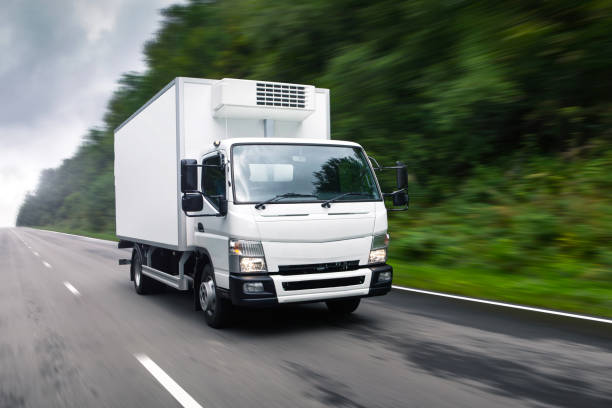
Livestock truck tracking in Nigeria is a GPS-based monitoring system used to track vehicles transporting animals such as cattle, goats, sheep, and poultry. It helps livestock traders, transport companies, and agro-logistics operators ensure that animals are moved safely, efficiently, and within approved routes from farms to markets or processing centers.
In major livestock trade and logistics corridors connecting northern supply routes to southern markets like Lagos, tracking systems are increasingly important for reducing losses and improving transport control.
What livestock truck tracking actually is
Livestock truck tracking combines GPS technology with logistics monitoring tools to supervise vehicles carrying live animals during transit.
It helps businesses:
- Track livestock trucks in real time
- Monitor route compliance and movement
- Reduce delays during transportation
- Improve animal safety and welfare
- Prevent theft or diversion of trucks
- Coordinate delivery schedules more effectively
It ensures full visibility of both vehicle and cargo.
Why livestock tracking is important in Nigeria
Transporting live animals involves unique risks compared to general cargo.
Common challenges include:
- Animal stress or death due to delays
- Unauthorized route deviations
- Theft or diversion of livestock trucks
- Poor road conditions affecting delivery time
- Lack of visibility during long-distance transport
- Disputes between traders and transporters
Tracking systems help reduce these risks significantly.
How livestock truck tracking systems work
Modern systems use GPS devices combined with mobile communication networks.
A typical setup includes:
- GPS tracker installed in the livestock truck
- Real-time location updates via mobile networks
- Fleet tracking dashboard for operators
- Route monitoring and geofencing alerts
- Trip history and delivery reporting
Some advanced systems also integrate temperature or environmental monitoring for animal welfare.
Key features of livestock truck tracking systems
A strong system includes more than basic location tracking.
Important features include:
- Live truck tracking
- Route deviation alerts
- Estimated time of arrival (ETA) updates
- Geofencing for approved transport corridors
- Trip history and playback
- Stop duration monitoring
- Driver behavior tracking
These features improve safety and logistics control.
How tracking improves animal welfare
Animal safety is a major concern in livestock transport.
Tracking helps by:
- Reducing travel delays that stress animals
- Ensuring trucks follow shortest or safest routes
- Monitoring unnecessary stops during transit
- Improving coordination between farms and markets
- Enabling faster response during emergencies
This leads to better livestock survival rates and quality.
Security benefits for livestock transport
Livestock is a high-value commodity and often targeted for theft.
Tracking systems provide:
- Real-time location visibility
- Alerts for unauthorized route changes
- Faster recovery of stolen trucks
- Monitoring of night-time movement
- Better control over long-distance transport
This reduces financial losses for traders and transporters.
How livestock tracking improves logistics efficiency
Efficient transport is critical in agricultural supply chains.
Tracking helps companies:
- Optimize delivery routes
- Reduce fuel consumption
- Improve scheduling between farms and markets
- Coordinate multiple trucks at once
- Reduce delays at checkpoints or transit points
This improves overall supply chain performance.
Common problems solved by livestock truck tracking
Without tracking, livestock logistics often face:
- Delayed deliveries affecting animal health
- Lack of accountability during transit
- Truck diversion or theft
- Poor communication between stakeholders
- Inefficient route planning
Tracking systems help eliminate these issues.
Livestock transport across Nigeria
In long-distance livestock movement routes toward cities like Lagos, tracking becomes even more critical due to distance, traffic, and security concerns.
It helps:
- Monitor trucks across multiple states
- Improve coordination between traders and buyers
- Ensure timely delivery to urban markets
- Reduce risk during overnight travel
- Maintain supply chain reliability
Common mistakes livestock operators make
Some operators fail to fully utilize tracking systems.
Common mistakes include:
- Not setting geofencing for routes
- Ignoring delay or stop alerts
- Poor installation of tracking devices
- Lack of coordination with drivers
- Not reviewing trip history reports
Proper system usage improves performance significantly.
Integration with agricultural logistics systems
Livestock tracking can integrate with:
- Agro-commodity logistics platforms
- Fleet management systems
- Supply chain visibility tools
- Warehouse and market coordination systems
- Fuel monitoring and transport analytics tools
This creates a complete agricultural logistics ecosystem.
How Travo.ng supports livestock truck tracking
Modern livestock logistics requires both tracking technology and operational coordination.
Travo.ng supports agricultural transport businesses through:
- Real-time livestock truck tracking systems
- Logistics coordination across Nigerian transport routes
- Fleet visibility and monitoring tools
- Route optimization and delivery support
- Agricultural supply chain mobility solutions
This helps improve safety, efficiency, and reliability in livestock transport.
Final thoughts
Livestock truck tracking in Nigeria is essential for improving animal safety, reducing transport losses, and ensuring efficient delivery across long-distance agricultural routes. It provides real-time visibility, enhances security, and improves coordination across the supply chain.
In major distribution corridors leading into cities like Lagos, tracking systems help maintain stability in livestock logistics and protect valuable cargo.
