


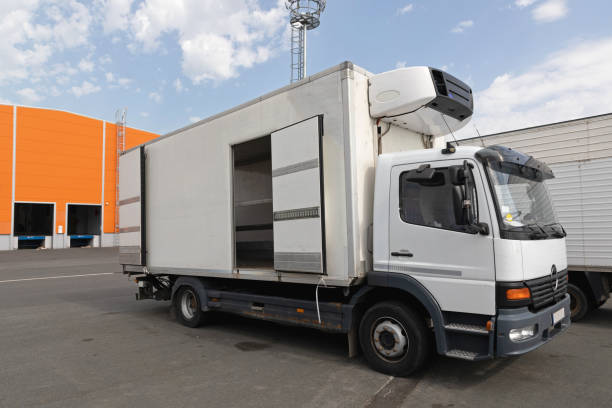
Cold chain vehicle tracking in Nigeria is essential for businesses transporting products that must remain within specific temperature ranges from pickup to delivery. Whether it is pharmaceuticals, vaccines, dairy products, frozen foods, fresh produce, or laboratory samples, maintaining the cold chain is critical to product quality, safety, and regulatory compliance.
In major commercial hubs like Lagos, where traffic congestion, long delivery times, and varying weather conditions can affect transportation, cold chain tracking provides the visibility businesses need to protect valuable cargo.
Why cold chain monitoring is more than just vehicle tracking
A standard GPS tracker can tell you where a vehicle is. A cold chain tracking solution tells you both where the vehicle is and whether the cargo is being transported under the correct conditions.
For temperature-sensitive goods, location alone is not enough.
Businesses need to know:
- Current cargo temperature
- Vehicle location in real time
- Route progress
- Delivery status
- Temperature history during transit
- Any temperature excursions that may compromise product quality
This information helps businesses reduce losses and maintain product integrity.
What products typically require cold chain tracking?
Many industries depend on temperature-controlled transportation.
Common examples include:
- Vaccines and pharmaceutical products
- Medical supplies and laboratory samples
- Frozen foods
- Fresh seafood and meat products
- Dairy products
- Fruits and vegetables
- Beverage products requiring controlled temperatures
Even a short temperature deviation can affect product quality or result in rejected shipments.
How cold chain vehicle tracking works
Modern cold chain systems combine GPS tracking with temperature monitoring technology.
The process typically involves:
- Installing a GPS tracking device in the vehicle
- Installing temperature sensors within the cargo area
- Transmitting location and temperature data in real time
- Sending alerts when temperatures exceed safe limits
- Recording data for compliance and audit purposes
Fleet managers can monitor everything through a central dashboard or mobile application.
The challenge of maintaining cold chain deliveries in Nigeria
Nigeria’s climate and transport conditions create unique challenges for temperature-sensitive logistics.
Common issues include:
- Heavy traffic delays
- Long interstate transport routes
- High ambient temperatures
- Refrigeration equipment failures
- Unplanned vehicle breakdowns
- Delays at checkpoints or loading facilities
Without proper monitoring, businesses may not discover a temperature issue until the cargo reaches its destination.
Why real-time temperature alerts matter
A delayed response can turn a minor refrigeration issue into a major financial loss.
Real-time alerts allow operators to:
- Detect temperature changes immediately
- Contact drivers quickly
- Arrange emergency interventions
- Redirect shipments if necessary
- Protect high-value cargo before damage occurs
For pharmaceutical and food logistics, this can prevent significant losses.
How cold chain tracking improves food distribution
Food distributors rely heavily on cold chain visibility.
Tracking systems help:
- Maintain product freshness
- Reduce spoilage during transport
- Improve delivery planning
- Verify storage conditions throughout the journey
- Build customer confidence
For businesses delivering frozen and chilled products across Lagos and other cities, this visibility is essential.
Cold chain tracking for pharmaceutical logistics
The pharmaceutical sector has particularly strict requirements.
Tracking helps pharmaceutical businesses:
- Maintain compliance standards
- Protect vaccines and medications
- Document transport conditions
- Support regulatory audits
- Ensure patient safety
A complete temperature history can be critical when proving product integrity.
Common mistakes businesses make with cold chain transport
Many cold chain failures occur because of operational gaps rather than equipment failure.
Common mistakes include:
- Relying on refrigeration without monitoring
- Not using temperature alerts
- Failing to maintain refrigeration units
- Ignoring route planning
- Delaying response to temperature deviations
- Not reviewing temperature reports after deliveries
Technology is most effective when supported by proper operational procedures.
The role of route planning in cold chain logistics
Route efficiency directly affects cold chain performance.
Businesses can improve outcomes by:
- Choosing faster delivery routes
- Avoiding known traffic bottlenecks
- Scheduling deliveries during lower-traffic periods
- Monitoring journey times closely
- Reducing unnecessary stops
This helps refrigeration systems perform more effectively throughout the trip.
How Travo.ng supports cold chain logistics operations
Temperature-controlled transportation requires more than tracking devices alone. It also requires proper logistics coordination and operational oversight.
Travo.ng supports businesses through:
- Vehicle tracking and monitoring solutions
- Logistics coordination across Nigerian transport routes
- Fleet visibility and operational support
- Delivery planning and route management
- Business mobility services for commercial operations
These services help businesses maintain greater control over temperature-sensitive deliveries from origin to destination.
Final thoughts
Cold chain vehicle tracking in Nigeria is becoming increasingly important as businesses move more temperature-sensitive products across the country. Real-time visibility into both vehicle location and cargo temperature helps prevent spoilage, protect product quality, and improve customer confidence.
For food distributors, pharmaceutical companies, and other businesses handling sensitive cargo, investing in cold chain monitoring is not simply about compliance—it is about protecting products, customers, and profitability.
