


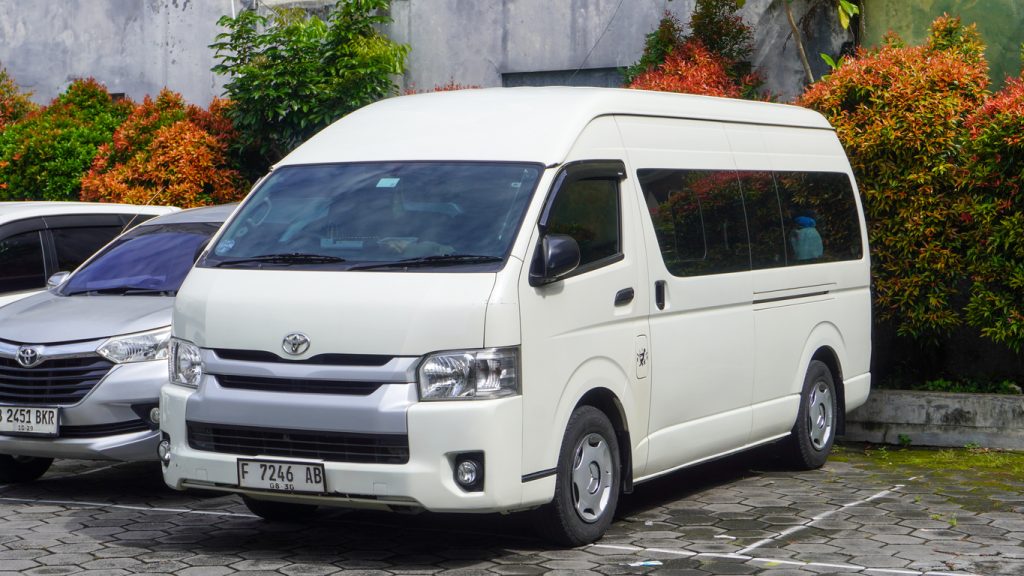
Vans are used by businesses across Nigeria for deliveries, transportation, construction work, moving goods and other commercial activities. Because a van may spend many hours on the road carrying valuable equipment or products, having appropriate insurance can help protect the business against certain financial losses following covered incidents.
The right van insurance depends on how the vehicle is used, who drives it, where it operates and the level of cover required.
What Is Van Insurance?
Van insurance provides insurance cover for a van used for personal or commercial purposes, depending on the policy.
A business using a van for deliveries may have different insurance requirements from someone using the same type of vehicle privately. When arranging cover, the insurer should be given accurate information about the vehicle’s purpose and usage.
Types of Van Insurance
The level of cover available can vary between insurers, but common options may include:
- Third-party cover
- Third-party, fire and theft
- Comprehensive insurance
Third-party insurance generally covers certain liabilities to other people arising from an insured incident, while broader policies may provide additional protection for the insured vehicle and other specified risks.
Always check the actual policy wording, exclusions and limits before choosing a policy.
Van Insurance for Delivery Businesses
Delivery companies often depend on vans to move parcels, documents, food, equipment and other goods between locations.
Businesses should tell their insurer how the van is being used. Commercial delivery activity may require a policy that specifically accommodates that type of operation.
The business should also consider whether the goods being transported require separate insurance.
What Can Affect Van Insurance Costs?
The cost of van insurance can depend on factors such as:
- Vehicle type and value
- Driver information
- Intended use
- Location
- Annual mileage
- Claims history
- Level of cover
- Policy excess
- Security arrangements
Two businesses operating similar vans can therefore receive different insurance quotes.
Documents and Information You May Need
When arranging insurance, the provider may request information about the vehicle and its owner or operator.
This can include vehicle details, registration information, driver’s information, intended use and other documents required by the insurer.
Providing accurate information is important because incorrect details can affect the validity or handling of a claim.
Van Insurance for Fleets
Companies operating several vans may need to consider fleet insurance rather than arranging separate policies for every vehicle.
Fleet arrangements can simplify administration, although the appropriate option depends on the number of vehicles, drivers, usage and insurer terms.
How Travo.ng Can Support Van Logistics
Travo.ng supports transportation and logistics coordination for businesses that use vans and other vehicles. Businesses can arrange delivery and movement requirements while separately ensuring that their vehicles have the appropriate insurance and legal documentation.
For companies using vans for regular deliveries, combining proper vehicle documentation with organised logistics can make daily operations easier to manage.
Choosing Van Insurance
Before purchasing van insurance, compare the level of cover, exclusions, limits, excess, claims process and permitted vehicle usage.
Do not choose a policy based solely on price. The policy needs to match how the van is actually used, particularly when it is involved in commercial deliveries or transporting goods.
