


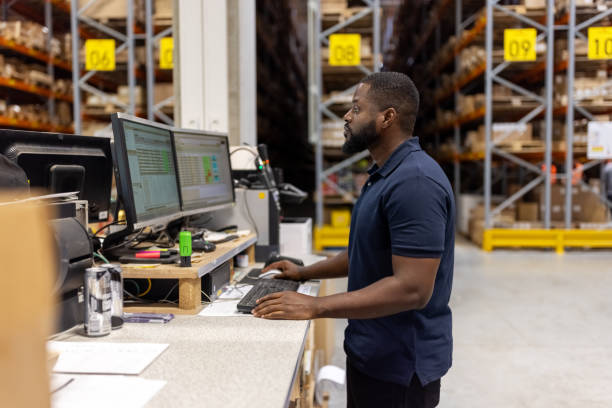
3PL warehousing in Nigeria refers to the use of a Third Party Logistics (3PL) provider to manage warehousing, inventory storage, order fulfillment, and distribution on behalf of a business. Instead of operating their own warehouse, companies outsource storage and logistics operations to specialized providers.
In simple terms, a 3PL warehouse stores and manages your goods while handling logistics activities such as inventory control, distribution, and delivery.
What Is 3PL Warehousing?
A 3PL warehouse is a facility operated by a logistics company that provides storage and supply chain services for multiple clients.
Services typically include:
- Inventory storage
- Stock management
- Cargo handling
- Order fulfillment
- Distribution support
- Transportation coordination
- Returns management
Why Businesses Use 3PL Warehousing in Nigeria
Many businesses prefer 3PL warehousing because it eliminates the need to invest heavily in:
- Warehouse construction
- Warehouse staffing
- Equipment purchases
- Inventory management systems
This allows companies to focus on sales, production, and business growth.
Types of 3PL Warehousing Services in Nigeria
1. General Warehousing
Used for:
- Consumer goods
- Electronics
- Industrial products
- Retail inventory
Provides short-term and long-term storage solutions.
2. Bonded Warehousing
Allows imported goods to be stored under customs supervision before duties are paid.
Benefits include:
- Deferred duty payments
- Reduced port congestion
- Improved cash flow management
3. Temporary Warehousing
Suitable for:
- Short-term storage
- Delayed deliveries
- Cargo awaiting distribution
4. Overflow Warehousing
Provides additional storage space when existing facilities reach capacity.
Common during:
- Peak seasons
- Large import shipments
- Inventory surges
5. Distribution Warehousing
Focused on:
- Order processing
- Product sorting
- Nationwide distribution
6. Cold Storage Warehousing
Used for:
- Frozen products
- Fresh food
- Pharmaceuticals
- Temperature-sensitive cargo
Core Functions of 3PL Warehousing
Inventory Management
3PL providers help businesses:
- Track stock levels
- Monitor inventory movement
- Reduce inventory errors
- Improve stock visibility
Cargo Handling
Includes:
- Receiving goods
- Inspection
- Sorting
- Packaging
- Dispatch preparation
Order Fulfillment
Supports:
- Picking and packing
- Shipment preparation
- Retail and e-commerce fulfillment
Distribution Coordination
Ensures goods move efficiently from warehouse to customers or retail outlets.
Benefits of 3PL Warehousing in Nigeria
1. Reduced Operational Costs
Businesses avoid costs related to:
- Building warehouses
- Hiring warehouse staff
- Purchasing equipment
2. Improved Supply Chain Efficiency
Professional logistics management improves:
- Inventory control
- Delivery performance
- Warehouse productivity
3. Scalability
Storage capacity can increase or decrease based on business demand.
4. Faster Market Access
Strategically located warehouses support quicker distribution.
5. Better Inventory Visibility
Modern warehouse systems improve tracking and reporting.
Industries That Benefit from 3PL Warehousing
Retail and E-Commerce
Supports:
- Inventory storage
- Order fulfillment
- Customer delivery
Manufacturing
Helps manage:
- Raw materials
- Finished goods
- Spare parts inventory
FMCG Companies
Improves nationwide product availability and distribution.
Healthcare and Pharmaceuticals
Provides:
- Secure storage
- Temperature-controlled environments
- Regulatory compliance support
Import and Export Businesses
Supports:
- Cargo storage
- Distribution planning
- Inventory management
Challenges of 3PL Warehousing in Nigeria
1. Limited Storage Availability
High-demand warehouse locations may experience capacity shortages.
2. Infrastructure Constraints
Challenges include:
- Traffic congestion
- Poor road networks
- Delayed transportation
3. Inventory Accuracy Issues
Poor systems can lead to:
- Stock discrepancies
- Misplaced products
- Fulfillment delays
4. Rising Logistics Costs
Transportation and warehousing costs may fluctuate.
5. Security Risks
Warehouses require strong security measures to prevent loss or theft.
How to Choose a 3PL Warehousing Provider
1. Assess Location
Choose warehouses near:
- Ports
- Major highways
- Customer markets
2. Review Technology Systems
Look for:
- Inventory management software
- Tracking capabilities
- Reporting tools
3. Evaluate Security Measures
Important features include:
- CCTV surveillance
- Access control
- Fire protection systems
4. Consider Scalability
The provider should support future growth.
5. Review Distribution Capabilities
Warehousing should integrate smoothly with transportation services.
Risks of Poor Warehousing Management
- Inventory losses
- Product damage
- Delayed deliveries
- Higher operating costs
- Customer dissatisfaction
How Travo.ng Supports 3PL Warehousing Operations
Effective warehousing depends on efficient transportation and distribution.
Travo.ng supports businesses across Nigeria through:
- Cargo pickup from Apapa, Tin Can, and Lekki ports
- Nationwide transportation services
- Interstate logistics coordination
- Commercial cargo delivery
- Distribution support for businesses
- Last-mile delivery solutions
These services help businesses move inventory efficiently between ports, warehouses, and customers.
Final Insight
3PL warehousing in Nigeria provides businesses with flexible storage, inventory management, and distribution solutions without the need to operate their own facilities. By outsourcing warehousing to experienced logistics providers, companies can improve efficiency, reduce costs, and strengthen supply chain performance.
