


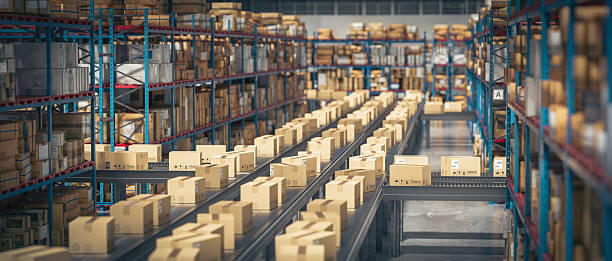
Finding the right fast moving consumer goods warehouse in Lagos is not just about getting space to keep products. For businesses that sell food items, drinks, toiletries, cosmetics, household goods, packaged snacks, and other daily-use products, warehousing affects sales, delivery speed, product quality, and customer satisfaction.
In Lagos, where traffic, market demand, port delays, and last-mile delivery challenges can affect business operations, FMCG storage must be handled carefully. A warehouse that works well for furniture or machinery may not be suitable for goods that move quickly and need regular dispatch.
For brands, wholesalers, supermarkets, online vendors, and distributors, the real question is simple: can your products be stored safely and moved out quickly when orders come in?
What Makes FMCG Warehousing Different in Lagos
Fast moving consumer goods are usually high-volume products with steady demand. Customers expect them to be available without delay. That means the warehouse must support quick receiving, sorting, picking, packing, and dispatch.
In Lagos, FMCG businesses often deal with:
- Frequent stock movement
- Short delivery timelines
- Multiple retail drop-off points
- Traffic delays around areas like Apapa, Ikeja, Lekki, Oshodi, and Trade Fair
- Need for proper stock rotation
- Risk of damaged or expired goods if poorly managed
For example, a beverage distributor supplying stores in Surulere, Yaba, Lekki, and Ajah cannot afford a warehouse that takes too long to process orders. The faster goods leave the warehouse, the better the business performs.
Best Locations for FMCG Storage and Distribution
Warehouse location matters a lot in Lagos. A business serving mainland customers may prefer areas around Ikeja, Ogba, Oshodi, or Agege. Companies distributing toward Lekki, Ajah, Victoria Island, and Ikoyi may need easier access to the island corridor.
For importers and bulk FMCG distributors, proximity to Apapa, Tin Can, or major haulage routes may reduce handling stress. However, storing too close to congested areas can also slow dispatch during peak hours.
A good warehouse decision should consider:
- Where your customers are located
- How often goods need to move
- Whether you deliver in cartons, pallets, or smaller parcels
- Access for trucks, vans, and dispatch riders
- Security and loading convenience
- Distance from major Lagos traffic bottlenecks
This is where working with a logistics partner like Travo.ng can help. Beyond storage, businesses often need coordinated delivery, cargo movement, and distribution support.
Common Mistakes Businesses Make With FMCG Warehousing
Many businesses focus only on warehouse rent and ignore the cost of poor movement. A cheaper warehouse may become expensive if delivery vans spend too much time in traffic or if goods are not properly arranged.
Common mistakes include:
- Choosing a warehouse far from key customers
- Storing fast-moving items behind slow-moving stock
- Not tracking expiry dates properly
- Using poor packaging for fragile consumer goods
- Failing to plan for festive season demand
- Underestimating loading and offloading time
During busy periods like December, Easter, Ramadan sales, and back-to-school seasons, FMCG movement in Lagos can become more demanding. Businesses that do not prepare early may face delayed deliveries and missed sales.
How FMCG Distribution Usually Works
A typical FMCG warehouse operation in Lagos may involve receiving goods from suppliers, checking stock, arranging items by category, and dispatching orders daily or weekly.
For example, a cosmetics supplier may receive cartons from a manufacturer, store them in batches, and distribute to stores in Ikeja, Lekki, Festac, and Abuja through coordinated logistics. A food product business may need same-day or next-day delivery within Lagos to avoid losing retail shelf space.
Travo.ng supports businesses that need practical logistics coordination, including courier services, cargo logistics, delivery planning, transport support, and interstate movement where required.
What to Check Before Choosing a Warehouse
Before settling for a fast moving consumer goods warehouse in Lagos, ask practical questions:
- Can vans and trucks access the location easily?
- Is there enough space for sorting and dispatch?
- How secure is the facility?
- Can stock be moved out quickly during urgent orders?
- Is the location suitable for Lagos mainland and island deliveries?
- Can the logistics partner handle bulk and smaller deliveries?
- Is there support for interstate distribution?
The best warehouse option is not always the biggest. It is the one that helps your goods move faster, safer, and with fewer delays.
How Travo.ng Helps FMCG Businesses Move Better
Travo.ng provides logistics and transport support for businesses that need reliable movement of goods within Lagos and across Nigeria. Whether you are managing regular store deliveries, bulk cargo movement, courier dispatch, or business logistics, Travo.ng helps simplify the process.
For FMCG companies, this can mean better coordination between storage, pickup, delivery, and customer fulfilment. Instead of struggling with multiple drivers, uncertain delivery timelines, or last-minute transport issues, businesses can arrange practical support through one service provider.
A fast moving consumer goods warehouse in Lagos should not only store your products. It should help your business sell faster, deliver better, and respond quickly when customers need stock.
For businesses handling daily consumer products, Travo.ng offers a practical way to manage logistics, deliveries, cargo movement, and transport coordination with local Nigerian experience.
