


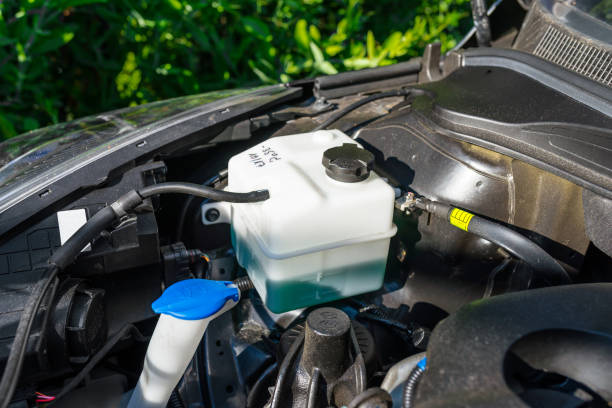
A coolant leak happens when the liquid used to regulate your engine temperature (coolant/antifreeze) escapes from the cooling system. This reduces the engine’s ability to stay cool and can quickly lead to overheating and serious engine damage.
What Coolant Does in a Car
Coolant helps to:
- Keep the engine from overheating
- Regulate temperature during traffic and long drives
- Prevent corrosion inside the engine system
- Improve overall engine performance
Signs of a Coolant Leak
1. Engine Overheating
- Temperature gauge rises quickly
- Engine may shut down in severe cases
2. Low Coolant Level
- Frequent need to refill coolant
- Reservoir level drops quickly
3. Puddles Under the Car
- Green, pink, or orange liquid under the vehicle
- Often seen after parking
4. Sweet Smell
- Coolant has a slightly sweet chemical smell
- Noticeable around engine bay
5. White Smoke from Exhaust
- Indicates coolant may be burning inside engine
- Possible head gasket issue
6. Heater Not Working Properly
- Weak or no warm air from HVAC system
Common Causes of Coolant Leaks
- Damaged radiator
- Cracked coolant hoses
- Faulty radiator cap
- Worn water pump
- Loose hose clamps
- Blown head gasket (serious issue)
Where Coolant Leaks Usually Occur
- Radiator (front of engine bay)
- Radiator hoses
- Water pump area
- Engine gasket surfaces
- Coolant reservoir tank
Cost of Fixing Coolant Leak in Nigeria (2026)
- Hose replacement: ₦10,000 – ₦40,000
- Radiator repair: ₦20,000 – ₦80,000
- Radiator replacement: ₦80,000 – ₦250,000+
- Water pump replacement: ₦50,000 – ₦200,000
- Head gasket repair: ₦150,000 – ₦600,000+
What to Do If You Notice a Coolant Leak
1. Stop Driving Immediately (if overheating)
- Continuing can destroy the engine
2. Check Coolant Level
- Only when engine is cool
3. Avoid Opening Hot Radiator Cap
- Can cause severe burns
4. Call a Mechanic or Tow Service
- Especially if temperature keeps rising
Risks of Ignoring a Coolant Leak
- Engine overheating
- Head gasket failure
- Engine seizure
- Very expensive repairs
- Sudden breakdown in traffic
Coolant Leak in Nigeria Driving Conditions
Coolant issues are common because:
- Heavy Lagos traffic causes overheating
- Poor road vibrations damage hoses
- Long-distance travel stresses cooling systems
- Low-quality maintenance in some workshops
Prevention Tips
- Check coolant level regularly
- Service cooling system every 6–12 months
- Replace old hoses early
- Use recommended coolant type (not plain water)
- Fix small leaks immediately
For Logistics & Fleet Vehicles
For delivery and transport companies:
- Prevents breakdown during trips
- Reduces downtime and delivery delays
- Protects engine investment
- Improves fleet reliability
Conclusion
A coolant leak is a serious warning sign that your engine cooling system is failing. In Nigeria’s hot climate and heavy traffic conditions, fixing leaks early is essential to avoid overheating, breakdowns, and costly engine damage.
