


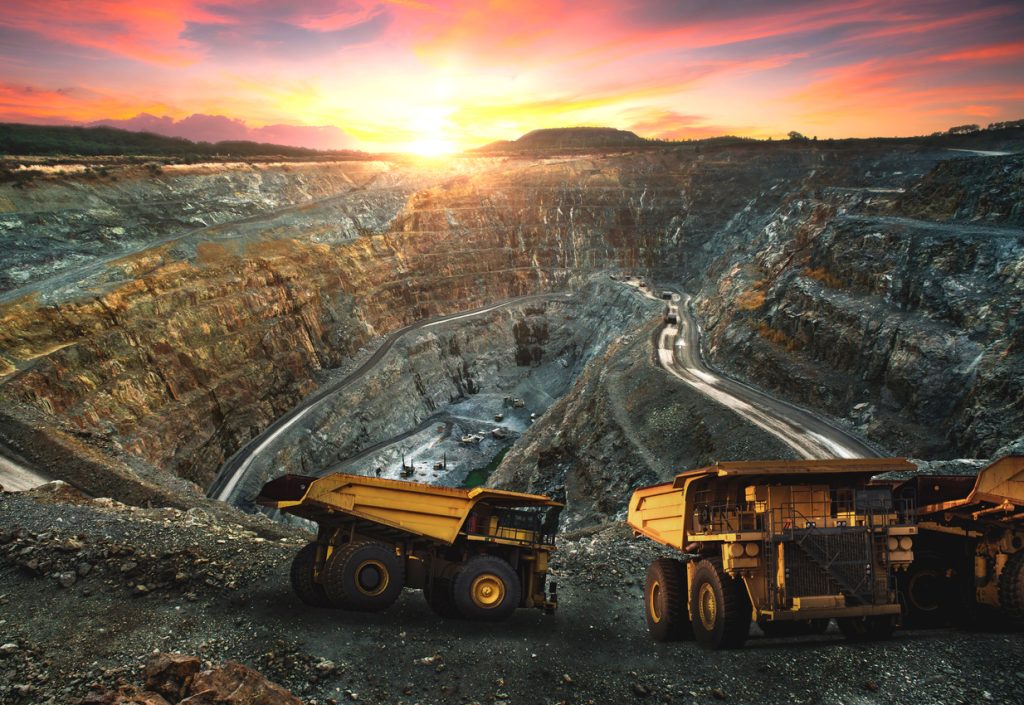
Knowing where to drill for minerals is not just about finding land that looks promising. In Nigeria, the real work starts with understanding geology, access roads, community entry, equipment movement, permits, security, and how quickly your team can mobilise to site.
Many exploration projects lose time before drilling even begins because the location was chosen without thinking through transport and logistics. A mineral-rich area is useful, but if rigs, fuel, water, workers, samples, and support vehicles cannot reach the site safely, the operation becomes expensive very quickly.
Start With Geological Data Before Sending a Team
Before anyone hires trucks or moves equipment, the first step is desktop research. This usually involves reviewing geological maps, past exploration records, satellite imagery, and reports from relevant Nigerian mining agencies.
In Nigeria, mineral exploration activity is common around states such as Nasarawa, Plateau, Kaduna, Niger, Zamfara, Kogi, Osun, Ebonyi, and parts of Cross River. These areas are associated with deposits such as gold, lithium, tin, lead-zinc, limestone, iron ore, and gemstones.
But not every promising location is ready for drilling. A site may show good mineral indicators, yet still require proper surveys before drilling money is committed.
Areas That Often Attract Mineral Drilling in Nigeria
The best place to drill depends on the target mineral. For example:
- Gold exploration is common in parts of Zamfara, Osun, Niger, Kaduna, and Kebbi.
- Lithium interest has grown around Nasarawa, Kwara, Kogi, and parts of the North Central region.
- Tin and columbite activity is historically strong around Plateau.
- Lead-zinc exploration often appears in Ebonyi, Benue, Cross River, and Nasarawa.
- Limestone drilling is common near cement production corridors in Ogun, Kogi, Sokoto, Edo, and Cross River.
The practical question is not only “Is the mineral there?” It is also “Can people and equipment get there without losing days on bad roads, vehicle breakdowns, or poor coordination?”
Site Access Can Make or Break a Drilling Plan
A drilling location that looks close on a map may still be difficult to reach. In many parts of Nigeria, the final 10 to 30 kilometres can be the hardest part of the journey, especially during the rainy season.
Before drilling starts, teams should check:
- Road condition from the nearest major town
- Bridge strength for heavy vehicles
- Availability of fuel and water nearby
- Security situation on the route
- Accommodation for engineers and field staff
- Space for rig movement and sample storage
- Community entry requirements
This is where proper transport and logistics planning becomes important. Travo.ng can support movement planning for field teams, vehicle hire, cargo delivery, airport pickups, hotel reservations, and transport coordination for staff travelling to exploration sites.
Moving Drilling Equipment Requires More Than One Truck
Mineral drilling operations often involve rigs, compressors, pipes, fuel drums, water tanks, tools, safety gear, sample bags, and camp supplies. For remote locations, these items may need to move in stages.
For example, a team flying into Abuja for a Nasarawa or Kogi site may need airport pickup, hotel booking, 4×4 vehicle hire, and separate cargo transport for equipment. A Lagos-based company moving supplies to Kaduna or Niger State may need interstate cargo coordination and reliable delivery tracking.
Poor planning can lead to common problems such as equipment arriving before the site is ready, staff waiting without accommodation, or samples returning late to the lab.
The Best Time to Drill Is Not Always the Fastest Time to Mobilise
Dry season is usually easier for moving rigs and heavy cargo because rural roads are more passable. However, drilling schedules also depend on permit readiness, community agreement, water availability, and team mobilisation.
During peak travel periods such as December, Easter, and major public holidays, vehicle hire and hotel availability can become tighter. Companies planning fieldwork during these periods should arrange logistics early.
For urgent site visits, Travo.ng can help coordinate transport, hotel stays, delivery support, and movement of field materials so teams are not calling different vendors separately.
Common Mistakes When Choosing Where to Drill
Some companies focus only on mineral potential and ignore field realities. The most common mistakes include:
- Choosing a location without checking road access
- Underestimating the cost of moving heavy equipment
- Sending staff before accommodation is confirmed
- Ignoring local security updates
- Failing to plan sample return logistics
- Booking unsuitable vehicles for rough terrain
A proper drilling plan should combine geological confidence with practical movement planning.
How Travo.ng Supports Mineral Exploration Logistics
Travo.ng is useful for companies that need more than ordinary travel booking. Mineral exploration often requires linked services: transport, accommodation, courier delivery, cargo movement, relocation support, and field coordination.
Depending on the project, Travo.ng can assist with:
- Airport pickups for consultants and engineers
- Hotel reservations near project locations
- Vehicle hire for site movement
- Courier delivery of documents and samples
- Cargo logistics for tools and field supplies
- Interstate transport coordination
- Business logistics support for exploration teams
When deciding where to drill for minerals, the smartest approach is to choose a site based on mineral potential and operational practicality. A good location should be geologically promising, reachable, safe enough to work in, and supported by reliable logistics.
That is where Travo.ng helps businesses move from planning to real field execution with less stress.
