


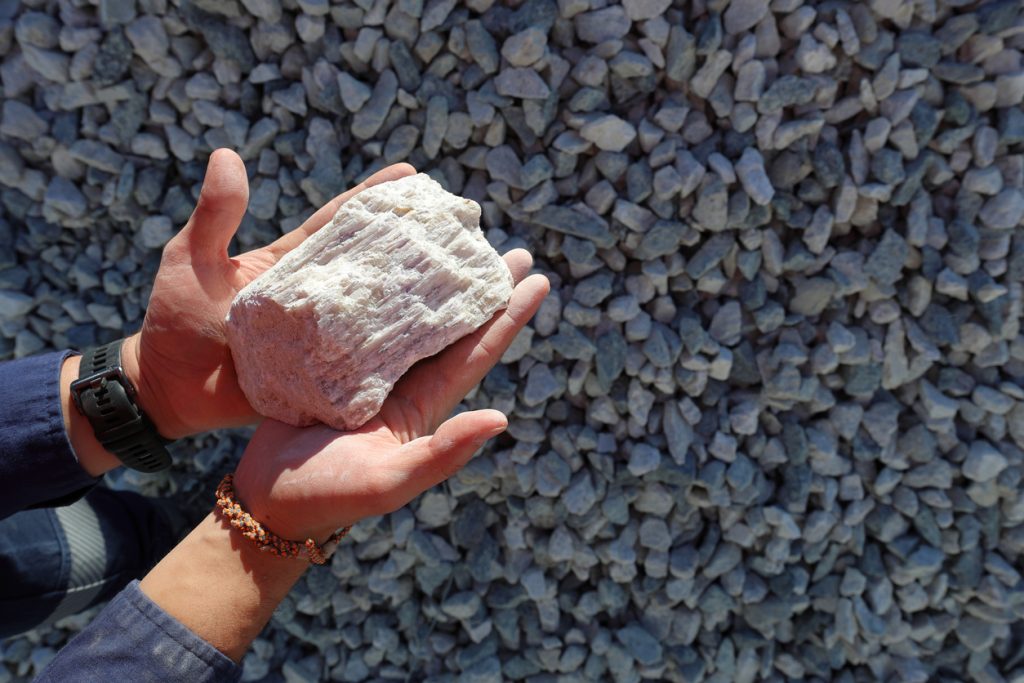
Nigeria’s mining sector continues to attract growing interest from investors, exploration companies, and local entrepreneurs looking to tap into the country’s vast natural resources. While some mineral-rich areas have been known for decades, many valuable resources remain undiscovered beneath the surface. The challenge is not simply identifying a promising location but understanding how to find hidden mineral deposits efficiently, legally, and cost-effectively.
For anyone entering mineral exploration, success often depends on combining geological knowledge with proper field logistics, transportation planning, and access to remote locations.
Why Many Mineral Deposits Remain Undiscovered
Nigeria is home to significant deposits of gold, lithium, tin, columbite, limestone, lead, zinc, and gemstones. Yet large portions of the country remain underexplored compared to other mining jurisdictions.
Several factors contribute to hidden deposits remaining untouched:
- Limited historical exploration data
- Difficult access to remote locations
- High transportation costs
- Seasonal road challenges during the rainy season
- Insufficient geological surveys in some regions
In states such as Nasarawa, Zamfara, Kaduna, Plateau, Kebbi, and parts of the North Central region, exploration activities continue to reveal previously overlooked mineral occurrences.
What Geologists Look for Before Drilling
The process of locating buried mineral resources usually begins long before any excavation takes place.
Exploration teams typically evaluate:
- Geological maps
- Historical mining records
- Satellite imagery
- Soil sampling results
- Rock formations
- Geophysical survey data
For example, lithium exploration projects in Nasarawa and Kaduna often start with regional mapping before teams conduct ground investigations to identify promising zones.
A common mistake made by inexperienced investors is rushing into land acquisition without first understanding the geological indicators that suggest the presence of commercially viable deposits.
The Role of Technology in Mineral Exploration
Modern exploration methods have significantly improved the ability to find hidden mineral deposits.
Today’s exploration teams frequently use:
- Satellite remote sensing
- Magnetic surveys
- Electromagnetic surveys
- Drone mapping
- Geographic Information Systems (GIS)
- Ground-penetrating technologies
These tools help narrow down potential targets before expensive drilling programs begin.
In many parts of Nigeria, drone-assisted surveys are becoming increasingly popular because they reduce the time required to assess difficult terrain while improving data accuracy.
Field Logistics Can Make or Break an Exploration Project
One aspect that is often overlooked is transportation and operational logistics.
Exploration sites are rarely located near major urban centres. Teams frequently travel between cities such as Abuja, Jos, Kaduna, Minna, and remote mining communities where road conditions can vary dramatically.
A typical exploration project may require:
- Vehicle hire for field teams
- Airport pickups for consultants
- Hotel reservations near survey locations
- Transport of equipment and samples
- Interstate cargo movement
- Staff travel coordination
Delays in any of these areas can increase project costs significantly.
This is where practical logistics planning becomes essential. Companies conducting fieldwork often rely on coordinated transport, accommodation booking, and delivery support to keep exploration schedules on track.
What It Costs to Conduct Preliminary Exploration
Costs vary widely depending on location and project size, but a small-scale preliminary assessment may involve:
| Activity | Typical Cost Range |
|---|---|
| Geological reconnaissance | ₦300,000 – ₦1,500,000 |
| Soil sampling programme | ₦500,000 – ₦3,000,000 |
| Geophysical survey | ₦2 million – ₦20 million+ |
| Vehicle and field logistics | ₦150,000 – ₦1 million+ |
| Sample transportation | ₦50,000 – ₦500,000 |
These figures can fluctuate based on terrain, security requirements, fuel costs, and distance from major cities.
Common Mistakes New Investors Make
Many first-time investors focus entirely on the potential value of a mineral discovery while underestimating operational realities.
Some of the most common mistakes include:
- Ignoring transportation challenges
- Failing to verify exploration licences
- Underestimating field accommodation needs
- Poor scheduling during peak rainy seasons
- Inadequate sample handling and transport arrangements
Even when geological prospects are strong, logistical failures can delay projects for weeks.
Planning Exploration Travel More Efficiently
Mineral exploration often requires movement across multiple states within short timeframes. Coordinating flights, accommodation, vehicle rentals, and cargo transport separately can become time-consuming.
Many exploration teams now prefer working with service providers that can assist with:
- Travel bookings
- Hotel reservations
- Vehicle hire
- Airport transfers
- Courier and sample delivery services
- Interstate logistics coordination
By streamlining these operational requirements, teams can spend more time evaluating prospects and less time dealing with administrative challenges.
Turning Exploration Opportunities into Successful Projects
The ability to find hidden mineral deposits depends on more than geological expertise. Successful projects combine reliable exploration methods with efficient transportation, travel planning, and field support.
As exploration activity continues to grow across Nigeria, investors and mining professionals who prepare thoroughly will be better positioned to identify viable opportunities and move projects forward efficiently. Whether arranging travel to remote survey sites, coordinating field transportation, or managing logistics between states, having dependable operational support can make exploration activities smoother and more productive.
For organisations involved in mineral exploration, Travo.ng provides practical travel, transport, booking, and logistics solutions that help keep field operations moving across Nigeria.
