


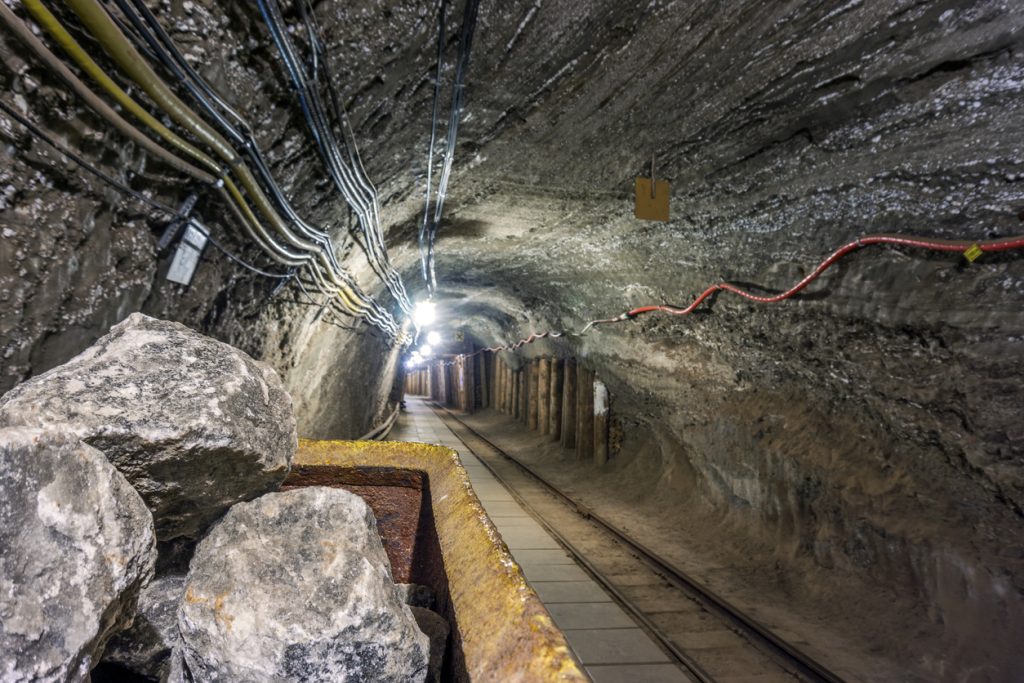
Ghana remains one of Africa’s most important mining destinations, attracting local and international investors searching for gold, manganese, bauxite, lithium, and other valuable mineral deposits. While the potential is significant, successful exploration depends on much more than geological expertise. Field mobility, accommodation, cargo movement, personnel transport, and operational coordination often determine whether an exploration project stays on schedule and within budget.
For companies entering the sector, securing dependable mineral exploration services in Ghana means having the right support systems in place from the first site visit to the final exploration report.
Moving Exploration Teams Across Remote Locations
Many mineral-rich areas in Ghana are located outside major urban centers. Exploration teams frequently travel between Accra, Kumasi, Tarkwa, Obuasi, Bolgatanga, and various remote project sites where road conditions can vary significantly depending on the season.
One of the common challenges exploration firms face is coordinating the movement of geologists, drilling contractors, environmental consultants, and technical personnel between airports, hotels, and field locations.
Reliable transport arrangements can help avoid delays caused by:
- Vehicle breakdowns on remote routes
- Last-minute transportation shortages
- Poor route planning
- Seasonal road accessibility issues
- Difficult airport-to-site transfers
This is where professional transport coordination becomes valuable, especially when multiple field teams are operating simultaneously across different regions.
What Exploration Projects Usually Require on the Ground
Exploration campaigns often involve far more logistics than many people initially expect.
A typical project may require:
- Airport pickups for visiting consultants
- Vehicle hire for field operations
- Accommodation bookings near project sites
- Delivery of equipment and supplies
- Staff movement between camps and towns
- Coordination of interstate or cross-border cargo
For example, a company conducting drilling operations near Tarkwa may need spare parts transported from Accra within tight timelines. Delays of even a few days can increase operational costs significantly when drilling rigs and crews are already mobilized.
Practical logistics support helps exploration teams focus on technical work rather than administrative challenges.
Understanding Travel and Accommodation Challenges
Accommodation can become a major issue during peak mining activity periods, particularly in established mining communities such as Tarkwa and Obuasi.
During busy exploration seasons, hotels close to project sites often experience high occupancy levels. Teams that wait until the last minute may find themselves traveling long distances between accommodation and field locations, reducing productivity.
Many exploration companies now prefer to secure accommodation arrangements early to ensure:
- Proximity to project areas
- Reliable internet access
- Consistent power supply
- Adequate security
- Flexible booking options for changing schedules
Through travel and hotel reservation support, project managers can reduce administrative burdens and maintain operational efficiency throughout the exploration cycle.
Transporting Equipment Without Disrupting Field Activities
Exploration projects depend on a constant flow of equipment and supplies. Sampling tools, drilling consumables, safety gear, GPS devices, laboratory materials, and replacement parts often need to move between cities and project sites.
A common mistake is underestimating delivery timelines, especially during periods of heavy rainfall or increased commercial traffic.
For instance, moving equipment from Accra to a mining project in the Western Region may take longer than expected when road congestion and weather conditions affect transportation schedules.
Professional courier and cargo logistics services help ensure critical items arrive when needed, reducing downtime and keeping exploration programs on track.
Planning for Seasonal Conditions in Ghana
Exploration schedules in Ghana are often influenced by weather patterns.
The rainy season can affect:
- Site accessibility
- Road conditions
- Equipment transportation
- Field productivity
- Personnel movement
Companies that plan logistics around seasonal realities typically experience fewer operational disruptions.
Field teams often build contingency time into transportation schedules and arrange alternative routes where possible. This proactive approach helps maintain exploration momentum even when environmental conditions become challenging.
How Travo.ng Supports Exploration Operations
While geological expertise drives mineral discovery, operational support keeps exploration projects moving.
Travo.ng assists organizations involved in mineral exploration by providing practical services that support field activities, including:
- Vehicle hire and transport coordination
- Airport pickup arrangements
- Hotel reservations for field teams
- Courier and delivery services
- Cargo movement support
- Business travel management
- Logistics coordination for project personnel
These services help exploration companies simplify day-to-day operations while maintaining focus on technical and commercial objectives.
Choosing the Right Support Partner for Exploration Projects
The most successful exploration projects are often backed by strong operational planning. Whether a company is conducting preliminary surveys, drilling programs, or resource evaluation studies, dependable transport and logistics support can make a measurable difference.
When evaluating mineral exploration services in Ghana, businesses should look beyond technical capabilities alone. Reliable travel arrangements, efficient cargo movement, accommodation management, and field mobility solutions all contribute to project success.
With practical local knowledge and experience coordinating travel and logistics services, Travo.ng helps exploration teams operate more efficiently across Ghana’s diverse mining regions.
