


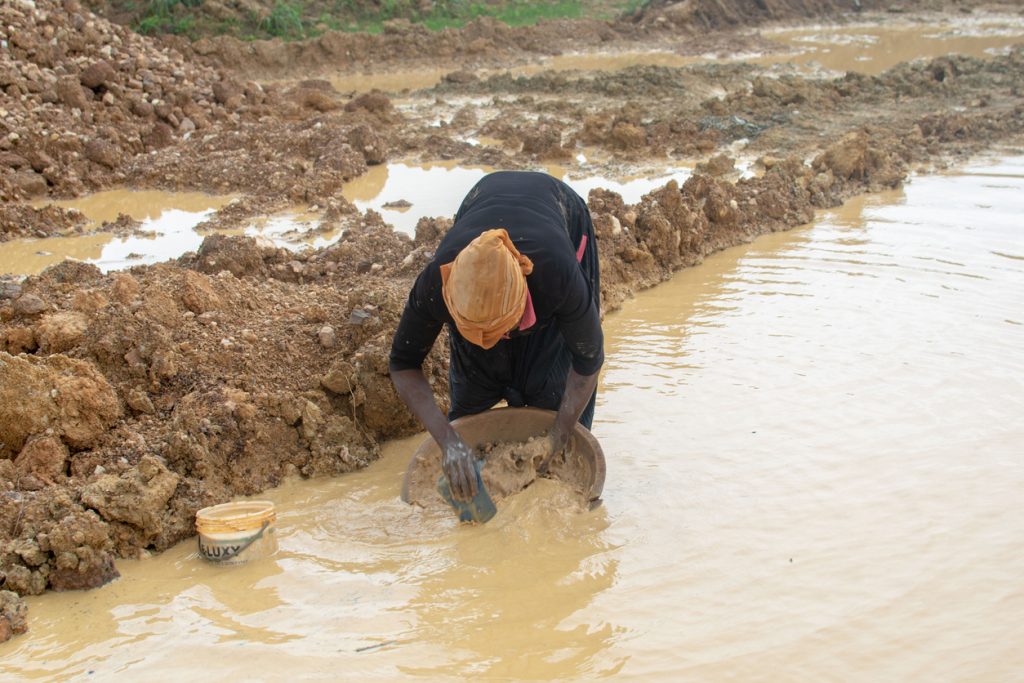
Finding out that your land may contain gold can be exciting, but it is also something that needs patience, proper checks, and safe movement around the area. Many people in Nigeria hear stories about gold in parts of Osun, Zamfara, Niger, Kaduna, Kebbi, Kwara, and other mineral-rich locations, then wonder: how do I know if there is gold on my own property?
The truth is, you cannot confirm gold by guesswork alone. You need observation, testing, expert guidance, and sometimes logistics support to move people, samples, and equipment safely.
Start by Understanding the Land Around You
Gold is often found in areas with certain rock types, streams, old mining activity, or mineral-rich soil. If your property is close to a known mining belt, rocky hills, river channels, or abandoned digging sites, it may be worth checking further.
Look out for signs such as:
- Quartz veins in rocks
- Black sand around streams
- Reddish or iron-stained soil
- Old pits or hand-dug trenches nearby
- Reports of mining activity in surrounding villages
These signs do not automatically mean gold is present, but they can show that the area deserves proper investigation.
Check Local Mining History Before Spending Money
Before hiring anyone, ask practical local questions. Has gold ever been found in the community? Are there licensed miners nearby? Has the land been surveyed before?
In many Nigerian communities, local knowledge is useful. Farmers, community heads, surveyors, and old residents may know whether people have previously found minerals in the area.
This step can save you from paying for unnecessary testing.
Do a Basic Surface Inspection
Walk through the property carefully and note unusual rocks, soil colours, drainage lines, and exposed surfaces. Streams and erosion channels are important because water can move tiny gold particles over time.
Do not start deep digging immediately. Unplanned excavation can damage the land, cause injuries, or create legal issues if done without proper approval.
For larger properties, especially outside your current city, Travo.ng can help arrange transport coordination, vehicle hire, and travel bookings for site visits with surveyors or consultants.
Collect Samples the Right Way
If experts advise sample collection, take small samples from different parts of the property rather than one random spot. Label them clearly by location.
For example, you may collect from:
- Stream edges
- Rocky outcrops
- Areas with quartz stones
- Soil near old pits
- Lower points where erosion collects material
Samples should be packed safely and sent to a recognised laboratory or mining consultant for testing. Travo.ng’s courier and cargo logistics support can help move properly packaged samples between cities such as Ilorin, Abuja, Lagos, Ibadan, Kaduna, or Minna.
Use Professional Testing, Not Assumptions
A gold pan, metal detector, or visual inspection may suggest possibilities, but proper confirmation usually requires laboratory analysis. A geologist or licensed mineral consultant can help determine whether the material contains gold and whether the quantity is commercially meaningful.
This matters because finding tiny traces of gold is not the same as finding a deposit worth mining.
Understand Legal Requirements in Nigeria
Owning land does not automatically give you the right to mine minerals under it. In Nigeria, mineral resources are regulated by government authorities. Before any serious exploration or mining work begins, you need to understand the legal process, permits, and community requirements.
This is where many landowners make mistakes. They allow informal diggers onto the land without documentation, then face disputes, damage, or security problems later.
Speak with qualified professionals before allowing excavation.
Plan Safe Travel and Site Access
Many mineral sites are outside city centres. Roads may be rough, mobile network coverage may be weak, and moving people or equipment may require planning.
A proper site visit may involve:
- Booking reliable transport
- Coordinating airport pickup for consultants
- Reserving nearby hotel accommodation
- Moving testing tools or sample bags
- Planning return logistics after inspection
Travo.ng supports these practical travel and logistics needs, especially when clients need coordinated movement across Nigerian cities and rural corridors.
Avoid Common Mistakes
Do not rush into paying strangers who promise instant gold discovery. Also avoid selling land cheaply because someone claims it has minerals.
Common mistakes include:
- Digging without expert advice
- Ignoring mining regulations
- Using unverified “gold testers”
- Failing to document samples
- Allowing unknown workers onto private land
- Not arranging safe transport for site teams
A careful process protects your property, money, and safety.
A Practical Next Step
To find gold deposits on your property, start with local history, visible land signs, proper sample testing, and professional guidance. If the property is far from where you live, organise the visit properly instead of travelling blindly.
Travo.ng can support your movement, hotel booking, vehicle hire, courier needs, cargo logistics, and site coordination so the practical side of the process is easier to manage.
Finding gold is not just about digging. It is about confirming facts, moving safely, testing properly, and making decisions with reliable information.
