


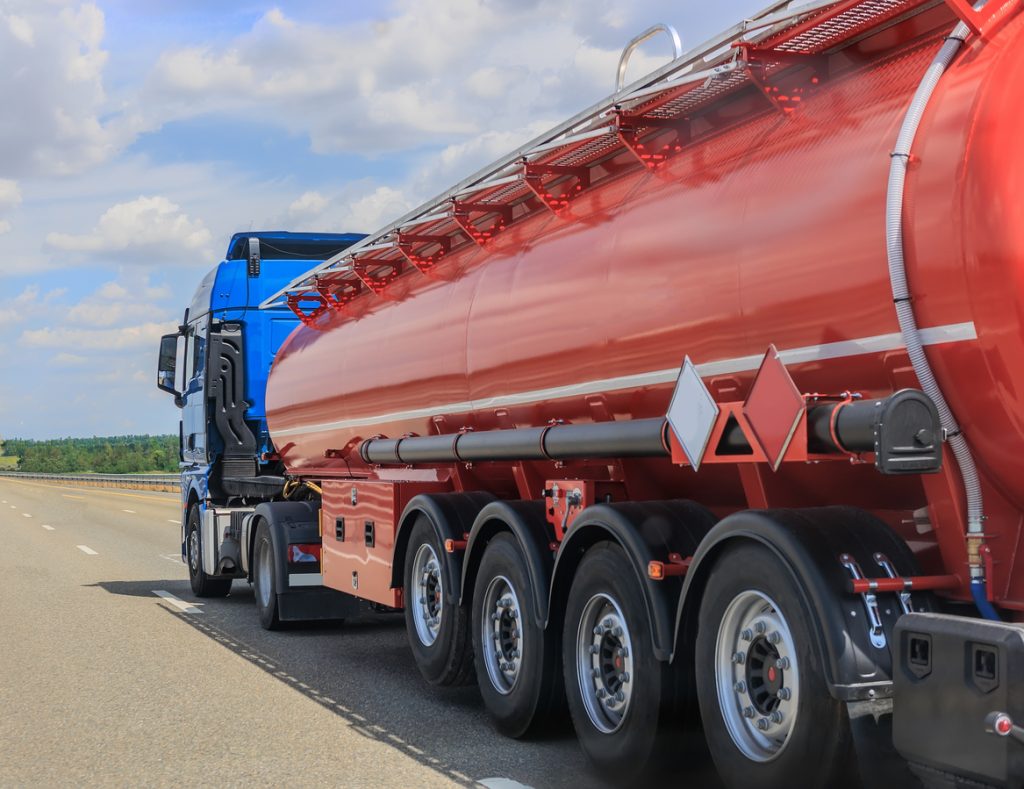
Refrigerated truck fleet management focuses on operating and controlling temperature-sensitive transport vehicles—commonly called reefer trucks—that move perishable goods such as food, pharmaceuticals, dairy products, vaccines, and frozen items.
Unlike standard freight logistics, refrigerated transport requires strict temperature control throughout the journey. Even a small deviation in temperature can lead to spoilage, financial loss, or regulatory violations.
For logistics operators in Nigeria—especially those serving supermarkets, restaurants, hospitals, food distributors, and pharmaceutical supply chains in cities like Lagos, Abuja, and Port Harcourt—reefer fleet management is essential for maintaining product quality and business trust.
What refrigerated truck fleet management actually means
Refrigerated truck fleet management is the structured system used to operate, monitor, and maintain temperature-controlled vehicles.
It includes:
- Temperature-controlled dispatch planning
- Reefer unit operation and monitoring
- Cold chain cargo handling and coordination
- Driver training for temperature-sensitive logistics
- Maintenance of refrigeration systems
- Route and delivery time optimisation
- Real-time tracking of temperature and location
In simple terms, it ensures goods stay at the correct temperature from origin to destination.
Why refrigerated fleet management is important
Cold chain logistics is highly sensitive and time-critical.
Without proper management, operators face:
- Product spoilage and financial loss
- Temperature fluctuations during transit
- Delivery delays affecting freshness
- Equipment failure in refrigeration units
- Regulatory non-compliance for pharmaceuticals
- Loss of client trust and contracts
Even minor errors can destroy entire shipments.
Core components of refrigerated truck fleet management
1. Temperature-controlled dispatch planning
Proper planning ensures cargo safety from the start.
This includes:
- Matching cargo type to required temperature range
- Pre-cooling trucks before loading
- Scheduling delivery windows to minimize transit time
- Grouping deliveries based on temperature sensitivity
- Coordinating cold storage facilities
This prevents early spoilage before transit begins.
2. Reefer unit monitoring and control
The refrigeration system is the heart of the operation.
Management includes:
- Continuous temperature monitoring during transit
- Setting and maintaining required temperature ranges
- Alarm systems for temperature deviations
- Remote monitoring of cooling performance
- Backup systems for equipment failure
Real-time control prevents cold chain breaks.
3. Cold chain cargo handling procedures
Handling must follow strict protocols.
This involves:
- Proper loading in temperature-controlled environments
- Minimizing door opening time during loading/unloading
- Ensuring correct packaging for frozen goods
- Preventing cross-contamination between goods
- Coordinating warehouse cold storage transfers
Handling errors can compromise entire shipments.
4. Driver training for refrigerated logistics
Drivers play a critical role in maintaining temperature integrity.
Management includes:
- Training on reefer system operation
- Monitoring temperature logs during trips
- Emergency response for refrigeration failure
- Understanding cold chain sensitivity requirements
- Route discipline to avoid delays
Driver awareness is key to product safety.
5. Route optimization and time-sensitive delivery
Time is critical in cold chain logistics.
Management focuses on:
- Reducing transit time to prevent spoilage
- Avoiding traffic-heavy routes where possible
- Planning direct delivery paths
- Coordinating delivery time windows with clients
- Minimizing idle time during transit
Faster delivery means better product quality.
6. Preventive maintenance of refrigeration systems
Reefer units require specialized maintenance.
This includes:
- Regular compressor servicing
- Cooling system inspections
- Refrigerant level checks
- Electrical system diagnostics
- Backup generator testing
Maintenance prevents mid-trip system failures.
7. Fuel and energy efficiency management
Reefer trucks consume more energy than standard trucks.
Management includes:
- Monitoring fuel usage for both engine and cooling system
- Optimizing refrigeration cycles
- Reducing idle time to conserve fuel
- Tracking cost per refrigerated kilometer
- Preventing fuel wastage or theft
Efficiency directly affects operating costs.
8. Real-time tracking and temperature logging
Visibility is essential for cold chain integrity.
This includes:
- GPS tracking of vehicle location
- Live temperature monitoring dashboards
- Automated alerts for temperature deviations
- Delivery tracking and proof of condition reports
- Trip history and performance logs
This ensures full accountability.
Key performance indicators in refrigerated fleet management
Performance is measured using:
- Temperature compliance rate
- Product spoilage or loss rate
- On-time delivery rate
- Fuel consumption per refrigerated trip
- Maintenance downtime
- Fleet utilization rate
- Cold chain breach incidents
These metrics define operational quality and reliability.
Challenges in refrigerated trucking in Nigeria
Operators often face:
- Unstable power supply affecting cold storage hubs
- High fuel costs for refrigeration systems
- Traffic delays in major cities like Lagos
- Limited cold chain infrastructure
- Equipment maintenance and repair difficulties
- Security risks on long-distance routes
These challenges make structured management essential.
Risks of poor refrigerated fleet management
Without proper systems, businesses experience:
- Large-scale product spoilage
- Financial losses from failed deliveries
- Temperature breakdowns during transit
- Customer dissatisfaction and contract loss
- Regulatory penalties in pharmaceutical logistics
- Reduced fleet reliability
Cold chain failure is often irreversible.
How refrigerated fleet management improves performance
When properly implemented, it delivers:
- Stable temperature control across all trips
- Reduced spoilage and product loss
- Improved delivery reliability
- Lower operational waste and fuel costs
- Stronger client trust and retention
- Higher fleet utilization efficiency
It ensures quality and profitability at the same time.
Technology used in refrigerated fleet management
Modern systems rely on:
- IoT temperature sensors
- GPS and telematics tracking systems
- Remote refrigeration control units
- Cold chain monitoring dashboards
- Automated alert systems for temperature breaches
- Digital delivery verification tools
Technology is essential for cold chain integrity.
Where logistics coordination fits into refrigerated transport
Even well-managed reefer fleets depend on broader logistics systems.
This includes:
- Cold storage warehouse coordination
- Retail and distribution scheduling
- Pharmaceutical supply chain management
- Intercity and interstate delivery planning
Delays at any stage can compromise temperature-sensitive goods.
How Travo.ng supports logistics coordination
While refrigerated truck fleet management focuses on cold chain transport operations, logistics coordination ensures smooth movement of temperature-sensitive goods across the entire supply chain.
Travo.ng supports logistics operations through:
- Cargo consolidation and freight coordination
- Intercity and interstate delivery services
- Port-to-destination logistics support
- Supply chain coordination across Nigeria
- End-to-end logistics execution for cargo movement
This helps reduce delays that affect cold chain efficiency and product integrity.
Final thoughts
Refrigerated truck fleet management is one of the most sensitive areas of logistics because it deals directly with product quality, safety, and regulatory compliance. Without strict control systems, cold chain logistics can fail quickly and lead to significant financial losses.
With proper management, refrigerated fleets ensure consistent temperature control, reliable delivery performance, and strong profitability across perishable goods supply chains.
In modern logistics, success in cold chain operations is not just about transport—it is about preserving value from origin to destination.
