

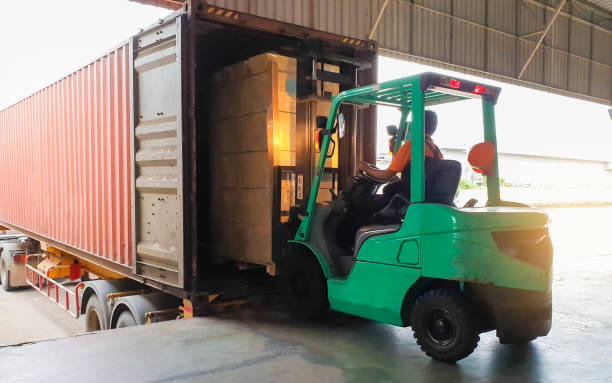
Moving goods from Nigeria to Cameroon involves more than loading a truck and heading towards the border. Customs documentation, cargo inspections, transport permits, and border procedures can affect how quickly shipments reach their destination.
For businesses shipping commercial goods, understanding Nigeria Cameroon road freight clearance is essential to avoiding unnecessary delays, unexpected charges, and problems with customs officials.
Whether you are transporting goods from Lagos to Douala or moving merchandise through Cross River State, proper preparation makes cross-border logistics easier to manage.
How Road Freight Clearance Works Between Nigeria and Cameroon
Road freight clearance involves obtaining the necessary customs approvals before goods can legally cross an international border.
For shipments leaving Nigeria, exporters must prepare relevant documentation and complete applicable export procedures with the Nigeria Customs Service.
Once the cargo reaches Cameroon, import clearance must follow the requirements of Cameroonian customs authorities.
The process typically involves:
- Preparing commercial invoices and packing lists.
- Confirming applicable export and import permits.
- Declaring the goods to customs authorities.
- Completing inspections where required.
- Paying applicable duties, taxes, and processing charges.
- Obtaining customs release before delivery.
Incomplete paperwork can delay an entire truckload, even when the goods themselves are permitted.
Choosing the Right Road Route From Nigeria to Cameroon
The appropriate route depends on the shipment’s origin, destination, cargo category, and current border conditions.
The Cross River State corridor, including the Ekok–Mfum crossing, provides an important connection between southeastern Nigeria and Cameroon.
Businesses transporting goods from Lagos may first move cargo towards southeastern Nigeria before proceeding to an approved border crossing.
However, transporters should confirm crossing availability, security conditions, and whether the border facility handles their specific cargo.
For shipments heading towards Douala, journey planning should account for road conditions, customs processing, driver rest periods, and possible inspection delays.
Documents That Can Prevent Costly Border Delays
One common clearance problem is inconsistent shipment information.
For example, a commercial invoice describing 200 cartons while the packing list shows 220 cartons can trigger additional checks.
Before dispatching goods, businesses should verify that their documents accurately reflect the shipment.
Important paperwork may include:
- Commercial invoice showing the goods’ value.
- Detailed packing list.
- Export declaration and applicable customs documents.
- Transport or consignment documentation.
- Certificate of origin where required.
- Product-specific regulatory approvals.
Food products, pharmaceuticals, chemicals, and agricultural commodities may require additional certificates or inspections.
Requirements vary by product, so confirm them with the relevant authorities or a licensed customs agent before loading.
What Determines Nigeria to Cameroon Freight Costs?
Cross-border freight pricing depends on several operational factors.
A truck transporting lightweight packaged goods will have different requirements from one carrying industrial equipment.
Major cost considerations include cargo weight, shipment volume, vehicle capacity, fuel expenses, border processing, insurance, and final delivery distance.
Customs duties and taxes should be calculated separately where applicable.
Businesses should request an itemised quotation rather than relying on a single transport figure that may exclude clearance expenses.
Planning Cross-Border Cargo Movement With Travo.ng
Successful freight movement begins before the vehicle leaves the warehouse.
Businesses need dependable transport coordination, realistic delivery planning, and clear communication between shippers, drivers, and clearance representatives.
Travo.ng provides a practical starting point for businesses seeking cargo logistics and transport coordination support.
Customers can enquire about freight arrangements, pickup requirements, shipment destinations, and the documentation needed for their particular movement.
Where licensed customs clearance services are required, confirm the responsible agent and scope of service before booking.
Move Your Cargo With Fewer Surprises
Nigeria Cameroon road freight clearance becomes easier to manage when documentation, transport arrangements, and border requirements are addressed early.
Before dispatch, confirm the approved route, applicable customs procedures, cargo restrictions, and total estimated costs.
Contact Travo.ng to discuss your Nigeria-to-Cameroon cargo transport requirements and plan a more organised cross-border shipment.
