


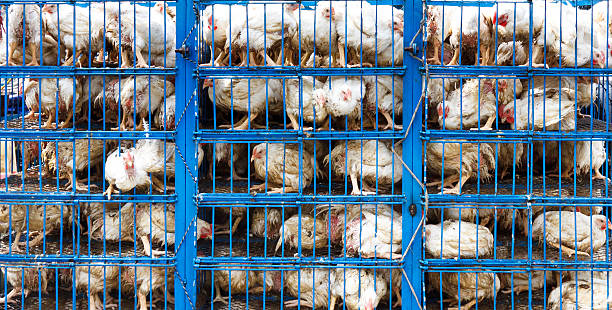
Poultry transport in Nigeria is an important part of the farming and livestock supply chain. Farmers, breeders, hatcheries, traders and poultry businesses regularly move chickens, turkeys, ducks, guinea fowl and other birds between farms, markets, processing facilities and customers.
Because live birds are sensitive to heat, overcrowding, rough handling and poor ventilation, transporting them requires more preparation than moving ordinary goods. Nigeria’s road network, traffic and hot weather can also make journey planning particularly important.
Nigeria’s Federal Ministry of Livestock Development identifies road transport as the main method used for poultry movement in the country, with live birds commonly transported in cages or baskets and day-old chicks and hatchable eggs sometimes moved by air over longer distances. (FMLD)
What to Prepare Before Moving Poultry
The first step is choosing an appropriate transport container. Live poultry should be moved in secure crates or cages that provide adequate ventilation and enough space for the birds to remain stable.
Avoid overcrowding the crates. Birds need sufficient space to sit or stand without being pressed tightly against one another throughout the journey.
The containers should also be strong enough to prevent escapes and should be secured properly inside the vehicle. They should not be thrown, dragged roughly or placed where other cargo can fall onto them.
Managing Heat During Poultry Transport in Nigeria
Heat is one of the major concerns when moving live poultry in Nigeria. Poor airflow combined with high temperatures can cause significant stress during transportation.
Plan journeys around the weather and expected traffic conditions. Where possible, avoid the hottest part of the day for longer journeys and choose routes that reduce unnecessary delays.
Transport containers should have adequate ventilation, while birds should be protected from direct sunlight. International animal-transport guidance also emphasises ventilation and protection from excessive heat during live-bird transport. (WOAH)
A vehicle carrying poultry should not remain unnecessarily stationary in hot conditions. If traffic or another delay occurs, the condition of the birds should be monitored and appropriate measures taken.
Transporting Poultry From Farm to Market
Farm-to-market movement is one of the most common poultry transport needs in Nigeria. A farmer may need to move broilers from a farm to a local market, restaurant, distributor or processing facility.
The loading process should be handled calmly. Rough catching, excessive noise and hurried loading can cause birds to panic and increase the risk of injury.
Before departure, check that the crates are properly closed, upright and securely positioned. The vehicle should also provide sufficient airflow throughout the journey.
Interstate Poultry Transport in Nigeria
Moving poultry between Nigerian states requires more planning because longer journeys create greater exposure to traffic, weather changes and delays.
For example, a poultry farmer moving birds from Ogun State to Lagos, Lagos to Abuja, Oyo to Lagos or Kaduna to Abuja should establish the pickup time, route, destination and receiving point before loading begins.
The recipient should be prepared for the arrival of the birds so that they are not left waiting unnecessarily after a long journey.
For longer routes, contingency planning is also useful. Traffic congestion, vehicle problems, road diversions and other delays can affect the estimated arrival time.
Moving Day-Old Chicks
Day-old chicks require different transportation arrangements from mature birds. They are particularly dependent on suitable environmental conditions during transport.
The Federal Ministry of Livestock Development notes that some Nigerian hatcheries use specially designed vans for transporting day-old chicks, while air freight may be used for longer-distance movement. (FMLD)
If you are moving chicks between cities, confirm the transporter’s experience with live poultry and the environmental requirements before booking. For larger commercial movements, farmers should also coordinate with their hatchery or veterinary professional where necessary.
How Much Does Poultry Transport Cost in Nigeria?
There is no single price for poultry transport in Nigeria. The cost depends on the details of the movement, including:
- Number of birds
- Type and size of poultry
- Pickup location
- Destination
- Total distance
- Type and size of vehicle
- Number of crates required
- Door-to-door delivery requirements
- Journey timing
- Traffic and road conditions
- Special handling requirements
Transporting a small number of birds within Lagos will require different logistics from moving hundreds of chickens from a farm to another state.
Choosing the Right Vehicle for Poultry Transport
The vehicle should be suitable for the number of birds being transported and allow sufficient airflow around the crates.
Avoid treating poultry crates as ordinary cargo. They should be positioned securely and protected from direct sunlight and unnecessary exposure to extreme weather.
Research involving poultry transportation in Nigeria has found that the handling equipment and transport method can affect bird mortality and weight loss, with cage-based transportation performing better than transporting birds in sacks in the study. (Nigerian Journal of Animal Science)
Arranging Poultry Transport With Travo.ng
When requesting poultry transport through Travo.ng, provide important details before the journey is arranged.
This should include the number and type of birds, pickup location, destination, preferred travel date, approximate distance and whether the movement is farm-to-market, farm-to-farm or customer delivery.
Travo.ng can help coordinate relevant transportation and logistics requirements where the requested service is available. Because live poultry requires specific handling, clearly state that the shipment contains live birds rather than ordinary cargo.
For large commercial movements, farmers and poultry businesses should also confirm any applicable veterinary, biosecurity or movement requirements before transportation.
What to Check When the Poultry Arrives
The receiving person should be ready before the vehicle arrives. Once the birds reach their destination, inspect them for signs of injury or excessive stress and move them into an appropriate environment as quickly as practical.
For commercial poultry businesses, keeping basic records of the number of birds dispatched, journey details and condition on arrival can also help identify recurring transportation problems.
Whether you are moving a few chickens locally or arranging interstate poultry logistics, careful preparation can reduce unnecessary stress, injury, delays and losses. Good poultry transport in Nigeria starts with suitable crates, proper ventilation, sensible journey planning and reliable coordination from pickup to delivery.
