


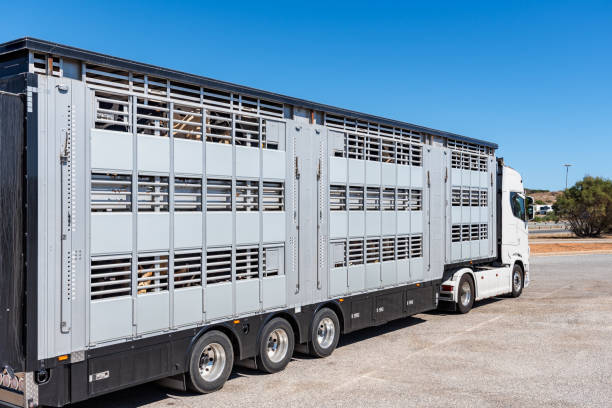
Moving cattle between farms, ranches, livestock markets, abattoirs and other destinations requires a truck designed for live-animal transportation. Cattle truck hire in Nigeria is commonly needed by farmers, livestock traders, breeders, ranchers and agricultural businesses handling local and interstate movements.
The right truck should provide adequate space, ventilation, secure containment and safe loading arrangements. Nigerian regulations also specify requirements for cattle transportation, including animal separation, ventilation, loading ramps and movement permits. (FAOLEX)
What to Look for in a Cattle Truck
Before hiring a truck, consider the number and size of the cattle being transported. The transporter should know whether the consignment consists of mature cattle, calves or a mixture.
Important features include:
- Adequate ventilation
- Non-slip flooring
- Strong side panels
- Secure gates and doors
- Suitable loading ramps
- Appropriate internal space
- Partitions where necessary
- Easy access for loading and unloading
Nigeria’s Animal Diseases (Control) Act gives specific vehicle and spacing provisions for trade animals. For example, it states that a vehicle measuring 26 feet by 7 feet by 9 feet should carry no more than five cattle to provide adequate ventilation. (FAOLEX)
Cattle Truck Hire for Interstate Transport
Cattle are frequently moved between livestock-producing areas and major markets in different parts of Nigeria. Interstate journeys require more planning because traffic, road conditions, security checks and unexpected delays can extend travel times.
The Federal Ministry of Livestock Development held a stakeholder dialogue in June 2026 focused specifically on safer and more efficient livestock transportation and road-safety challenges affecting livestock movements. (FMLD)
When booking a truck for a long-distance journey, confirm the route, expected travel time, stopping arrangements and contingency plan before departure.
Cattle Truck Capacity
Do not determine truck capacity based only on how many cattle can physically fit inside the vehicle. Space, ventilation, animal size and separation requirements must also be considered.
Nigerian regulations require cattle to be separated from sheep, goats and pigs during road or rail transportation. They also provide for separation of horned and polled animals and different sexes or age groups in applicable circumstances. (FAOLEX)
Give the transporter accurate information about the cattle so the appropriate truck can be arranged.
Loading and Unloading Cattle
Loading can be one of the most difficult parts of cattle transportation. A suitable ramp can make it easier for cattle to enter and leave the truck while reducing the likelihood of injuries.
Before hiring, confirm whether the truck operator provides a loading ramp and whether additional handlers are available. Also establish who is responsible for loading and unloading at both ends of the journey.
Long-Distance Cattle Transportation
Long-distance cattle movements require attention to feeding, watering and rest. Nigerian regulations state that trade animals transported by road or rail for more than 12 hours should be stopped for feeding, watering and rest every 12 hours. (FAOLEX)
The journey should therefore be planned rather than treated as a simple point-to-point truck trip. Traffic delays, mechanical problems and road conditions should be considered before the cattle leave the pickup location.
Cattle Movement Permits in Nigeria
Movement documentation should be confirmed before loading. Nigerian law provides for a veterinary movement loading permit for trade animals being transported from one area to another. The permit specifies the route and relevant control posts and must remain with the animals until the stated destination is reached. (FAOLEX)
For commercial cattle movements, confirm the applicable requirements with the relevant veterinary authority before arranging the trip.
How Much Does Cattle Truck Hire Cost in Nigeria?
Cattle truck hire does not have one fixed price across Nigeria. The quotation can depend on:
- Number of cattle
- Truck size
- Pickup and destination
- Distance
- Fuel and road expenses
- Driver charges
- Loading and unloading
- Animal handlers
- Waiting time
- One-way or return-trip arrangement
A short movement within one state will have different costs from a journey between northern livestock markets and southern destinations.
For a more accurate quotation, provide the transporter with the exact pickup point, destination, number of cattle and preferred travel date.
Questions to Ask Before Hiring a Cattle Truck
Before confirming the booking, ask:
- How many cattle can the truck safely carry?
- Is the vehicle designed for cattle?
- Does it have adequate ventilation?
- Does it have suitable flooring?
- Are loading ramps available?
- Are partitions provided?
- Is the driver included?
- Are livestock handlers available?
- Are loading and unloading charges included?
- What happens if the truck breaks down?
- What documents are required for the journey?
Getting these details confirmed in advance can reduce delays and unexpected charges.
How Travo.ng Can Help With Cattle Truck Hire
Travo.ng can help farmers, livestock traders and businesses coordinate logistics requirements for cattle transportation in Nigeria.
When requesting assistance, provide the number of cattle, pickup location, destination, travel date and any special handling requirements. For longer journeys, include details about loading, unloading and planned stops.
Having these details ready makes it easier to organise a transportation arrangement that matches the cattle movement and route.
Planning Cattle Truck Hire in Nigeria
Arrange the truck before the cattle are ready for collection. Confirm the vehicle, capacity, route, loading arrangements, documentation and delivery schedule ahead of time.
For long-distance movements, pay particular attention to ventilation, available space, feeding, watering, rest arrangements and safe handling. Choosing a truck based on the actual requirements of the cattle rather than simply selecting the cheapest available vehicle can help make the journey more organised.
