


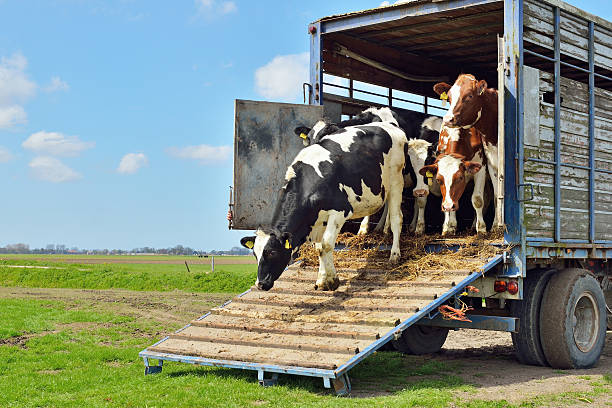
Animal transport by truck is one of the common ways to move pets, livestock and other live animals between locations in Nigeria. It can be used for farm animals travelling to markets, cattle being moved between ranches, or pets being relocated between cities.
Because animals are living cargo, the truck, loading process and journey should be planned around their safety and welfare rather than treating them like ordinary freight.
How Animal Transport by Truck Works in Nigeria
Truck transportation normally starts with identifying the type and number of animals, pickup location, destination and travel date.
The transporter can then determine the appropriate vehicle, loading arrangement and route. The size and type of animal matter because a truck suitable for goats or sheep may not be suitable for cattle or horses.
Livestock Truck Transport
Cattle, goats and sheep are among the animals commonly moved by road in Nigeria. Livestock trucks should provide suitable space, secure loading and adequate ventilation.
Nigeria’s Animal Diseases (Control) Act contains requirements concerning the transportation of trade animals by road, including separation of certain animals, ventilation and suitable loading and unloading arrangements. It also provides for veterinary movement permits for trade animals. (LawCare Nigeria)
Choosing the Right Truck
The truck should match the type, number and size of animals being transported. Important considerations include:
- Adequate space
- Good ventilation
- Non-slip flooring
- Secure sides and partitions
- Safe loading ramps
- Protection from harsh weather
- Easy access for inspection
- Suitable loading and unloading arrangements
The Federal Ministry of Livestock Development has also highlighted features such as non-slip flooring, proper ventilation, adjustable partitions and easy-loading ramps as important considerations for livestock transportation. (FMLD)
Long-Distance Animal Transport by Truck
Long-distance trucking requires careful route planning. Traffic, road conditions, weather and unexpected delays can extend the journey, so the transporter should consider the expected travel time before loading the animals.
International animal-transport guidance also recommends selecting vehicles appropriate for the species and journey, using competent handlers and preparing journey and emergency plans. (WOAH)
For Nigeria-based movements, applicable veterinary requirements should also be confirmed before departure.
Cattle Transport by Truck
Cattle require particularly careful planning because of their size and weight. The number of cattle should be confirmed before booking the truck so that the available space and vehicle capacity are appropriate.
The animals should be loaded and unloaded using suitable facilities to reduce the risk of slipping, falling or injury.
Goat and Sheep Transport by Truck
Goats and sheep can also be moved by truck for farming, breeding, trading and market supply. The transporter should know the number of animals and approximate size before selecting the vehicle.
Different types or groups of animals may also require separation during transportation depending on the circumstances and applicable requirements.
Documents for Animal Truck Transportation
For commercial and interstate livestock movements, documentation should be prepared before the journey. NAQS states that trade animals are subject to veterinary inspection and that movement and loading permits apply to trade-animal transportation. (National Agricultural Quarantine Service)
International animal movements require additional documentation. NAQS lists requirements that can include export permits, inspection, quarantine, laboratory analysis and quarantine clearance. (National Agricultural Quarantine Service)
What to Give the Trucking Company
Before arranging animal transport by truck, provide:
- Type of animal
- Number of animals
- Breed or species
- Approximate size and weight
- Pickup location
- Delivery location
- Travel date
- Health condition
- Veterinary documents
- Feeding or medication requirements
- Special handling instructions
This information helps the transporter plan the appropriate truck and journey.
Common Problems With Animal Truck Transport
Poor vehicle selection, overcrowding, inadequate ventilation, incomplete documentation and poorly planned routes can create problems during animal transportation.
Long delays can also increase stress for animals, making journey planning particularly important when travelling between distant Nigerian states.
How Travo.ng Can Help With Animal Transport by Truck
Travo.ng can help coordinate logistics requirements for animal movements by considering the type and quantity of animals, pickup location, destination and preferred travel schedule.
Whether the movement involves livestock between farms and markets or pets travelling between Nigerian cities, early coordination can help organise the transportation requirements before the journey.
Planning Animal Transport by Truck in Nigeria
Before loading an animal onto a truck, confirm the vehicle, route, collection and delivery points, documentation and handling arrangements.
For interstate livestock transportation, check the applicable veterinary requirements before departure. Proper preparation helps make truck transportation more organised and reduces avoidable delays.
