


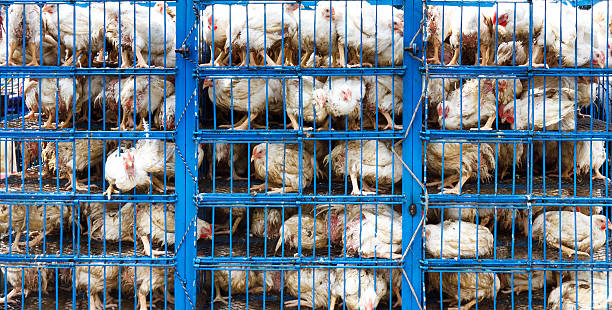
Commercial animal transport in Nigeria involves moving livestock and other animals for business purposes between farms, ranches, livestock markets, breeding facilities, abattoirs, processors and commercial buyers.
Unlike ordinary commercial freight, live animals require transportation arrangements that account for their welfare, handling and condition throughout the journey. For farmers, livestock traders and agricultural businesses, reliable animal transport is an important part of keeping the supply chain moving.
How Commercial Animal Transport Works
A commercial animal transport arrangement normally begins with confirming the type and number of animals, pickup location, destination and required delivery time.
The transporter then selects a suitable vehicle and plans the route. The vehicle should provide adequate ventilation, appropriate space and secure containment for the animals.
Loading and unloading also need to be handled carefully. Poor handling can result in injuries, stress and losses, particularly when large numbers of animals are being moved.
Commercial Livestock Transport Across Nigeria
Commercial livestock movements can connect farming areas with markets and businesses across different Nigerian states.
Cattle, goats and sheep may be transported from livestock-producing areas to major commercial centres, while other animals may move between farms, breeding facilities and processing locations.
Long-distance routes require additional planning because traffic, road conditions, vehicle breakdowns and unexpected delays can affect delivery times.
Cattle Transport for Businesses
Commercial cattle transportation may be required by livestock traders, farmers, ranchers, breeding businesses and abattoirs.
The size and number of cattle should determine the type of vehicle used. Loading should be organised to minimise unnecessary stress and prevent animals from being trapped or injured.
The receiving facility should also be prepared before the vehicle leaves the farm or market. This reduces unnecessary waiting after a long journey.
Commercial Goat and Sheep Transport
Goats and sheep are transported commercially for farming, breeding and livestock trading.
The transporter should ensure that the vehicle provides secure containment, suitable ventilation and enough space for the animals.
During periods of high demand, businesses may need to reserve transportation early to ensure that vehicles are available when required.
Commercial Animal Transport Documentation
Documentation requirements depend on the type of animal movement and destination.
For interstate commercial livestock movements, owners and transporters should confirm the applicable veterinary and movement requirements before departure.
For international movements, Nigeria’s Agricultural Quarantine Service handles inspection and certification functions for live animals. Depending on the shipment, requirements can include permits, veterinary health certificates, laboratory testing, inspection and quarantine procedures. (naqs.gov.ng)
Businesses should confirm the applicable requirements before making transportation arrangements.
Managing Commercial Animal Transport Costs
The cost of commercial animal transportation can vary considerably depending on the shipment.
Important factors include:
- Distance
- Number and type of animals
- Vehicle capacity
- Fuel and operating costs
- Loading and unloading requirements
- Route conditions
- Journey duration
- Additional handling or coordination
Businesses should request a clear transportation quote and establish what is included before the animals are loaded.
Common Commercial Transport Problems
Commercial animal shipments can face problems when transportation is arranged without sufficient planning.
Common issues include:
- Unsuitable vehicles
- Overcrowding
- Poor ventilation
- Unsafe loading
- Vehicle breakdowns
- Traffic delays
- Incomplete documentation
- Poor communication
- Unprepared receiving facilities
A clear plan covering the entire journey can help reduce these problems.
How Travo.ng Can Help With Commercial Animal Transport
Travo.ng can help coordinate commercial animal transportation logistics where businesses need support with vehicle arrangements, pickup scheduling, route planning and final delivery.
For livestock traders, farms and agricultural businesses, transportation can be coordinated around market schedules, farm operations and receiving arrangements.
Where veterinary inspection, movement permits or other regulatory requirements apply, businesses should confirm them with the appropriate authorities and qualified veterinary professionals before transportation begins.
Planning Commercial Animal Transport in Nigeria
Commercial animal transportation works best when it is treated as part of the wider agricultural supply chain rather than simply as a vehicle hire.
Confirming the animals, vehicle, route, documentation, delivery schedule and receiving facility before departure can help businesses reduce avoidable delays and transportation problems.
For long-distance shipments, early planning is particularly important because road conditions and unexpected delays can affect both delivery times and the condition of the animals.
