


Updated 28 September 2026 · Travo.ng
Quick answer
Agricultural cargo in Nigeria moves mainly by road, and the cost is driven by diesel, distance, truck size and how perishable the load is. In September 2026 diesel sold at ₦1,790 to ₦2,100 per litre at Lagos depots and was projected at ₦2,100 to ₦2,400 or more inland, and onion producers reported transport costs of ₦13,000 to ₦16,000 per bag in April 2026. Match the vehicle to the produce (covered trucks for grains and tubers, refrigerated trucks for fresh and frozen food), agree a firm price before loading, and insist on a waybill.
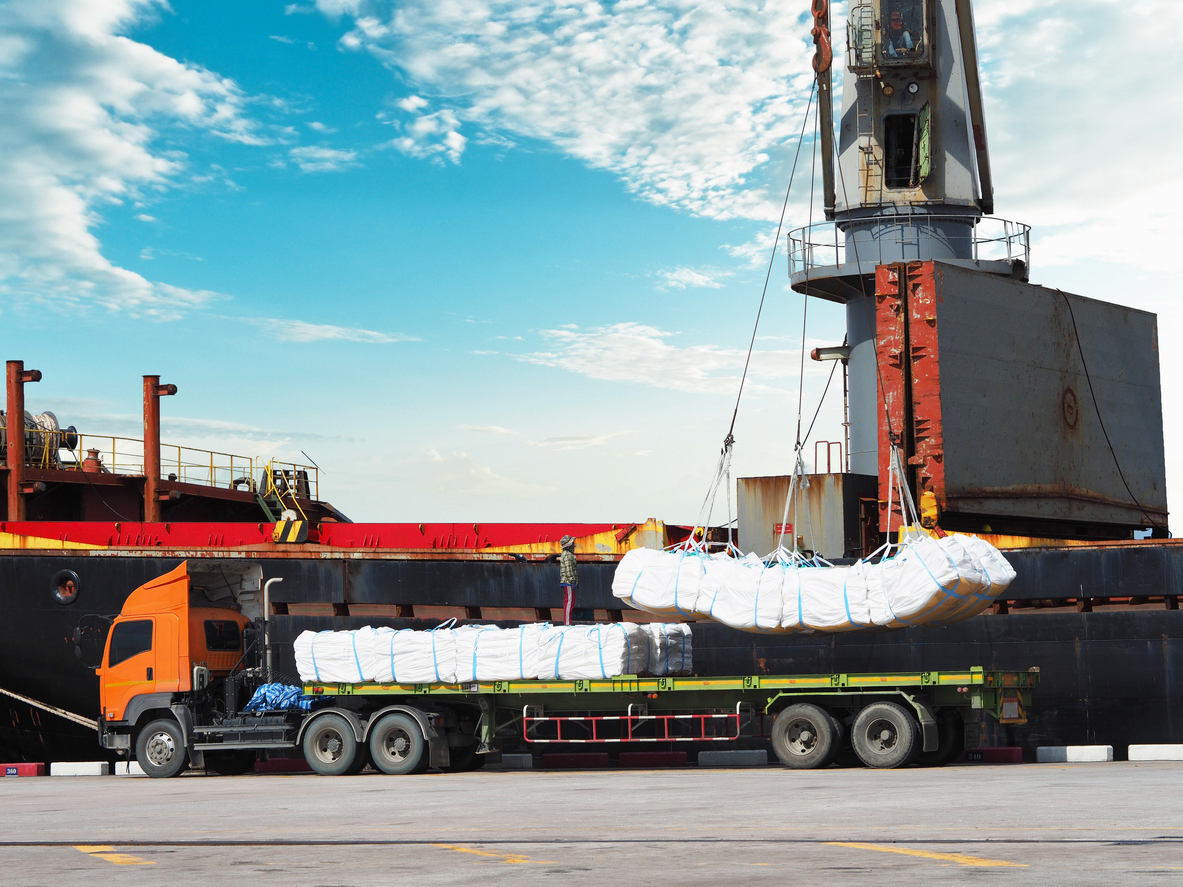
In Nigeria, a bag of rice, a basket of tomatoes or a tuber of yam often travels hundreds of kilometres from farm to city market before it is sold. How it travels decides how much arrives, in what condition, and at what price. This guide covers what counts as agricultural cargo, which vehicle suits which load, what drives the cost in 2026, and how to book a farm-to-market trip without surprises.
What counts as agricultural cargo
- Grains and legumes: maize, rice (paddy and milled), sorghum, millet, beans, soybeans, groundnuts.
- Tubers and roots: yam, cassava, potatoes, sweet potatoes.
- Fresh produce: tomatoes, peppers, onions, leafy vegetables, fruit, plantain.
- Animal products: frozen fish and poultry, eggs, dairy, and livestock feed.
- Farm inputs: fertiliser, seed, agro-chemicals, and farm equipment such as pumps and small machinery.
Match the vehicle to the load
| Cargo | Suitable vehicle | Why |
|---|---|---|
| Grains, beans, bagged rice | Covered truck or dry van (10 to 30 tonnes for bulk) | Keeps rain and dust off bags; high payload per trip |
| Yam, cassava, potatoes | Covered or open truck with tarpaulin, loaded with ventilation | Tubers bruise and rot if stacked too tightly or kept wet |
| Tomatoes, peppers, leafy vegetables | Chiller reefer, or fast overnight covered truck in crates | Highly perishable; heat and crushing cause most losses |
| Frozen fish and poultry | Freezer reefer (around -18°C) | Must stay frozen from cold room to cold room |
| Dairy and beverages | Chiller reefer (2 to 8°C) | Needs steady chilled temperature |
| Fertiliser and agro-chemicals | Covered dry van; keep separate from food | Avoids contamination and moisture damage |
| Small urgent loads within a city | Van (up to about 2,500 kg on some platforms) or bike with insulated box | Quick delivery to shops, restaurants and markets |
Vehicle and temperature bands follow Travo’s agricultural transport service page; the 2,500 kg van payload and insulated bike boxes are from Kwik’s published fleet. Always tell the carrier exactly what you are moving.
What agricultural haulage costs in 2026
There is no official rate card for farm haulage in Nigeria; prices are quoted per trip, per bag or per tonne. These are the latest figures we could verify:
| Cost indicator | Figure | Source and date |
|---|---|---|
| Onion transport, per bag | ₦13,000 – ₦16,000 depending on destination (up from about ₦10,000) | NOPPMAN president, via Vanguard, 14 Apr 2026 |
| Diesel, Lagos ex-depot | ₦1,790 – ₦2,100 per litre | Vanguard, 13 Sep 2026 |
| Diesel, inland markets (projection) | ₦2,100 – ₦2,400+ per litre | Vanguard, 13 Sep 2026 |
| Diesel, seven-day average | ₦1,855.97 per litre | Vanguard, 13 Sep 2026 |
Sources: Vanguard. Truck-hire quotes follow diesel closely, so expect prices to move with the pump.
For truck hire by size, the most detailed published guide we found is from September 2025, before the latest diesel rises. It is shown as a floor, not a current quote:
| Truck type | Capacity | Within a city | Interstate |
|---|---|---|---|
| Mini truck | 1 – 2 tonnes | ₦15,000 – ₦30,000 | ₦40,000 – ₦70,000 |
| Small truck | 3 – 5 tonnes | ₦30,000 – ₦50,000 | ₦70,000 – ₦100,000 |
| Medium truck | 6 – 10 tonnes | ₦50,000 – ₦80,000 | ₦100,000 – ₦150,000 |
| Large truck | 11 – 20 tonnes | ₦80,000 – ₦120,000 | ₦150,000 – ₦250,000 |
| Flatbed | 10 – 30 tonnes | ₦100,000 – ₦150,000 | ₦200,000 – ₦300,000 |
Source: Viscorner, cost of hiring trucks in Nigeria (3 September 2025). Dated; long north–south runs and refrigerated trucks cost considerably more. Get a current quote.
What moves the price
- Distance and road condition. Kano to Lagos is a multi-day round trip for the truck; bad roads add time and wear.
- Return load. Trucks that go back empty charge more. Flexible dates let the carrier find a backhaul.
- Perishability. Refrigeration adds fuel for the cooling unit and a pricier vehicle.
- Loading and offloading. Labour at the farm and market is often charged separately.
- Season. Harvest peaks and festive periods tighten truck supply.
Move your produce with Travo
Share the cargo type, quantity, pickup and delivery points. We will match a covered truck, van or reefer and confirm the price before loading.
Why good transport protects your margin
Losses between farm and market are large. According to Vanguard (March 2026), the FAO estimates that up to 40% of food produced in sub-Saharan Africa is lost between harvest and consumption, and industry estimates put losses of perishables such as tomatoes, fruit, vegetables and fish at 30% to 50% a year. The same report cites analysis that fewer than 1,000 refrigerated trucks operate in Nigeria against an estimated need of about 25,000. For fresh produce, a slightly dearer but faster or cooler vehicle often pays for itself in what arrives saleable. Our cold chain cargo guide goes deeper.
How to book an agricultural cargo trip
- Describe the load: produce type, number of bags or crates, approximate weight, and whether it needs cooling.
- Give exact pickup and delivery points with a contact at each end, and the time the market or buyer expects it.
- Ask for a firm, all-in quote: truck, driver, fuel, tolls, and whether loading labour is included.
- Prepare the cargo: use crates for tomatoes and soft produce, dry and stack bags evenly, and pre-cool chilled goods.
- Check the vehicle on arrival: clean bed, sound tarpaulin, working cooling unit for reefers.
- Get a waybill listing the goods and quantity, signed at loading and at delivery.
- Track the trip and call the receiver before arrival so offloading starts immediately.
Tips for farmers, aggregators and traders
- Travel at night for fresh produce so it reaches morning markets cool; Travo’s agricultural service page describes night departures timed for morning arrival.
- Do not mix fertiliser or chemicals with food in the same load.
- Consolidate with other farmers on your route to fill a bigger truck and cut the cost per bag.
- Keep records of cost per bag or tonne each season so you can price your produce properly.
- For regular runs, agree a contract rate with a review clause tied to diesel prices.
Frequently asked questions
How much does it cost to transport farm produce in Nigeria?
It depends on distance, truck size and the produce. Onion producers reported ₦13,000 to ₦16,000 per bag in April 2026. For whole-truck hire, get a current quote, because diesel was ₦1,790 to ₦2,100 per litre in Lagos in September 2026.
What truck is best for transporting tomatoes?
A refrigerated (chiller) truck is best. If that is not available, use crates rather than baskets, load at night and choose the fastest route to market.
Can I hire a refrigerated truck for frozen fish?
Yes. Ask for a freezer reefer holding around -18°C, pre-cooled before loading.
How do I transport grains from the north to Lagos?
Use a covered truck or dry van sized to your tonnage, bag the grain dry, get a waybill, and ask about a return-load discount.
Do I need documents to move farm produce interstate?
Carry a waybill or delivery note listing the goods, quantity, sender and receiver. Some goods and states have extra rules, so check with the relevant authority for your cargo.
How can I reduce transport costs for my produce?
Consolidate loads with other farmers, book early outside peak harvest weeks, be flexible on dates so the carrier can find a return load, and cut losses with proper packing.
Related guides
- Travo agricultural transport service
- Refrigerated truck services in Nigeria
- Book a van or truck for haulage in Nigeria
- Truck price in Nigeria
- List of logistics companies in Nigeria
See all Travo haulage services.
Sources: Vanguard, onion transport costs (14 Apr 2026); Vanguard, diesel prices (13 Sep 2026); Vanguard, cold chain and food losses (10 Mar 2026); Viscorner, truck hire costs (3 Sep 2025); Kwik fleet; Travo agricultural transport. Fares and prices change often — confirm before you travel or pay.
