


Updated 28 September 2026 · Travo.ng
Quick answer
To start a haulage business in Nigeria, pick a niche (containers, tippers, FMCG distribution, farm produce), register the business with the CAC, get a tax ID, then buy, lease or partner for your first truck, register and insure it, and hire licensed drivers. Budget carefully: in September 2026 brand-new Howo truck heads were listed on Jiji from about ₦74 million and used dump trucks from about ₦53.5 million, while diesel sold at ₦2,000 a litre or more in Abuja. Most new operators start with one truck and a steady contract rather than a fleet.
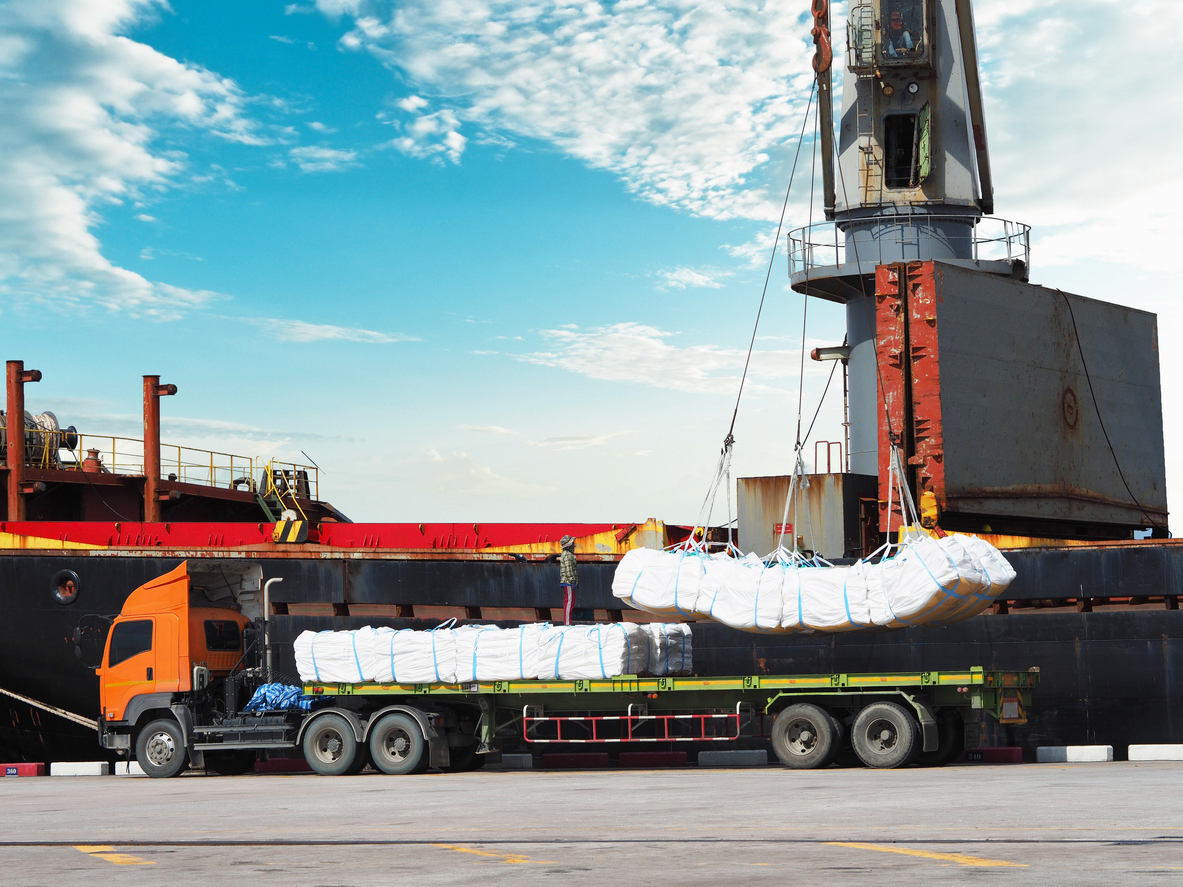
Haulage moves almost everything Nigerians buy: cement, grains, drinks, containers from Apapa and Tin Can, building materials and fuel. The work is steady but the margins are thin, because diesel, tyres, maintenance, tolls and delays eat into every trip. This guide walks through the steps in the order you will actually meet them, with 2026 costs where we could verify them.
Step 1: Choose your haulage niche
Your niche decides the truck you buy, the customers you chase and the paperwork you need. The common options are:
- Container haulage: moving 20ft and 40ft containers between the ports, bonded terminals and warehouses. High demand, but long waits at the ports and heavy wear on trucks.
- Tipper and construction haulage: sand, granite, laterite and blocks for building sites. Short trips and quick turnaround, but hard on tyres and suspension.
- FMCG and general cargo: distribution for manufacturers, wholesalers and e-commerce sellers. Often done with 10 to 30 tonne trucks or smaller vans on regular routes.
- Agricultural haulage: grains, tubers and produce from the North and Middle Belt to southern markets. Seasonal peaks, long distances.
- Specialised haulage: refrigerated cargo, petroleum tankers, car carriers and heavy equipment. Higher rates, but more capital and extra regulation (petroleum product movement, for example, falls under the downstream regulator, the NMDPRA).
If you are new to trucking, start where you already have relationships. A single reliable contract with a manufacturer or distributor is worth more than a big fleet with no work.
Step 2: Write a simple business plan and cost model
Before you buy anything, work out what one trip costs and what you can charge. The main cost lines are:
| Cost line | What to budget for |
|---|---|
| Truck | Purchase price or lease payments, plus registration and plates |
| Diesel | Usually the biggest running cost; price per litre times litres per trip |
| Driver and motor boy | Salary or per-trip pay, trip allowances, feeding |
| Maintenance and tyres | Servicing, tyres, batteries, breakdown repairs |
| Insurance | Motor insurance for each truck, plus goods-in-transit cover for cargo |
| Road costs | Tolls, parking, loading and offloading charges, state and local levies |
| Admin | Tracking devices, phone data, accounting, office or yard rent |
Worked example (illustrative only): if your truck uses 45 litres of diesel per 100 km (use your own figure from the manufacturer or past trips) and a round trip is 600 km, that is 270 litres. At ₦2,000 a litre, diesel alone is ₦540,000 for that trip. Add driver pay, tolls, wear and a share of insurance and truck repayments, then add your margin. If the rate a customer offers does not cover that total, walk away.
Step 3: Register the business
- Register with the Corporate Affairs Commission (CAC). A business name is enough to start, but a private limited company (Ltd) is better if you want corporate contracts, bank loans or investors. Register online through the CAC portal at cac.gov.ng and check the current fees there before you pay any agent.
- Get a Tax Identification Number (TIN) and open a business bank account in the registered name. Many manufacturers will not pay into a personal account.
- Keep records from day one: waybills, fuel receipts, trip logs and invoices. They support tax filings and loan applications later.
Step 4: Get your first truck
You have three realistic routes:
- Buy outright: full control, but ties up a lot of cash.
- Lease or hire purchase: lower upfront cost; check the interest rate, repossession terms and who pays for repairs.
- Partner with a truck owner: you find the contracts, they supply the truck, and you split income. Put the agreement in writing.
What trucks cost in 2026
| Howo truck listings on Jiji | Asking price range |
|---|---|
| Brand-new truck head (lowest listed) | About ₦74,000,000 |
| Brand-new dump or tipping truck | About ₦94,000,000 to ₦106,000,000 |
| Used (tokunbo) dump truck | About ₦53,500,000 to ₦75,000,000 (most ₦57m to ₦70.5m) |
| Specialised new units (crane, compactor) | About ₦125,000,000 to ₦145,000,000 |
Source: asking prices on Jiji.ng Howo listings, viewed September 2026. Asking prices are not final sale prices; inspect and negotiate.
Before paying for a used truck, get a mechanic to inspect the engine, gearbox, chassis and tyres, and check the papers. Our guide on how to verify vehicle documents in Nigeria explains the checks.
Step 5: Register, plate and insure every truck
Each truck needs current vehicle registration, a number plate, roadworthiness papers and insurance. The Joint Tax Board’s plate fees effective 8 June 2025 include ₦30,000 for a standard commercial plate and ₦90,000 for an articulated vehicle plate. Driver’s licences cost ₦15,000 for three years or ₦21,000 for five years.
For insurance, most cargo owners will ask for goods-in-transit (GIT) cover on top of motor insurance; established operators such as Red Star Logistics advertise GIT cover with their haulage. Buy from a licensed insurer and confirm motor policies on the Nigerian Insurance Industry Database portal (niid.org) to avoid fake certificates.
Step 6: Hire and manage drivers
- Hire drivers with valid licences for the vehicle class, verifiable guarantors and a clean record you can check with past employers.
- Train them on your rules: no extra passengers, no unapproved stops, fuel receipts for every purchase.
- Install a GPS tracker and agree clear trip allowances so drivers are not tempted to sell diesel or carry side loads.
- If your drivers need upskilling, see our note on truck driving lessons in Abuja.
Step 7: Find customers
Good sources of work for a new haulier:
- Manufacturers, distributors and wholesalers on your route.
- Clearing and forwarding agents who need trucks for port cargo.
- Construction firms and block makers needing tippers.
- Farmers’ cooperatives and commodity traders at harvest time.
- Booking platforms such as Travo, where customers request haulage, moving and agricultural transport jobs.
Return loads matter. An empty backhaul halves your income for the trip, so line up cargo for the journey home before you leave.
Step 8: Control fuel and running costs
Diesel prices move fast. On 26 May 2026 the Dangote refinery cut its diesel gantry price from ₦1,800 to ₦1,600 a litre; by early September it had raised it to ₦1,850, depots were selling at about ₦1,900, and Abuja retail prices reached ₦2,000 to ₦2,020 a litre. Build a fuel clause into contracts so you can adjust rates when diesel rises. Track our diesel price updates and how diesel affects logistics.
Other ways to protect margins: regular servicing (breakdowns on the highway cost far more than planned maintenance), buying tyres in bulk, and planning routes to avoid long queues and night stops in unsafe areas.
Common mistakes new hauliers make
- Buying several old trucks instead of one reliable one.
- Quoting rates without a cost model, then losing money on every trip.
- Using unverified drivers or no tracking.
- Skipping goods-in-transit cover, then paying for lost cargo out of pocket.
- Depending on one customer who pays late.
Need a truck now, or want haulage jobs?
Book a van or truck for your cargo on Travo, or message us on WhatsApp to talk about listing your trucks.
Frequently asked questions
How much do I need to start a haulage business in Nigeria?
It depends on the truck. Buying one used Howo dump truck was listed from about ₦53.5 million on Jiji in September 2026, and new truck heads from about ₦74 million. Add registration, insurance, a tracker and at least two to three months of running costs. Leasing or partnering with a truck owner needs far less capital.
Can I start with one truck?
Yes, and most operators do. One well-maintained truck on a steady contract teaches you the costs before you grow.
Do I need a special licence to run a haulage business?
You need CAC registration, vehicle registration, plates and insurance for each truck, and properly licensed drivers. Some cargo, such as petroleum products, carries extra regulatory requirements. Check with the relevant regulator and your state motor licensing office before you start.
Is haulage profitable in Nigeria?
It can be, but only if your rates cover diesel, maintenance and idle time. Operators who secure return loads and fuel-adjustment clauses do much better than those who take any job at any rate.
What insurance does a haulage company need?
Motor insurance for each truck and goods-in-transit insurance for the cargo you carry. Buy from a licensed insurer and verify motor policies on the NIID portal.
How do I get haulage contracts?
Approach manufacturers, distributors, clearing agents and construction firms on your route, and list on booking platforms like Travo. Reliability and on-time delivery bring repeat work.
Related guides
- Book a van or truck for haulage anywhere in Nigeria
- Refrigerated truck services in Nigeria
- List of logistics companies in Nigeria
Sources: Jiji.ng Howo listings (September 2026); PM News, 5 September 2026 (diesel prices); Vanguard, 26 May 2026 (Dangote diesel cut); PensionNigeria summary of Joint Tax Board plate and licence fees effective 8 June 2025; Red Star Express PLC website; CAC and NIID websites. Fares and prices change often — confirm before you travel or pay.
