


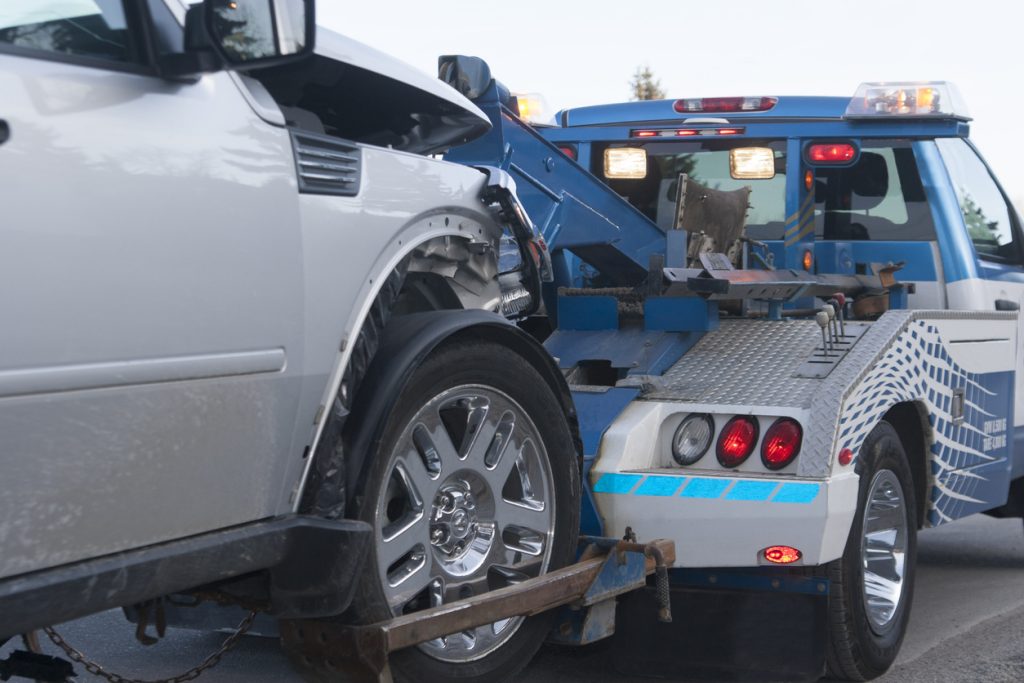
Understanding car damage categories is important when buying a used vehicle, especially if the car has been imported, involved in an accident or repaired after significant damage.
A car may look clean after repairs while still having structural, mechanical or electrical problems. Knowing the type of damage can help you avoid paying too much for a vehicle that may require expensive repairs later.
Common Car Damage Categories
Cosmetic Damage
This usually affects the appearance rather than the main mechanical components of the vehicle.
Examples include:
- Scratched paint
- Small dents
- Damaged bumpers
- Cracked lights
- Minor body-panel damage
Cosmetic damage is generally easier and cheaper to repair, although you should still check why the damage occurred.
Accident Damage
Accident damage can range from minor bodywork to serious structural damage.
A vehicle that has been involved in a major collision should be inspected carefully for problems with the chassis, suspension, steering, airbags and alignment.
Fresh paint or replacement body panels should not automatically be treated as evidence of a bad car, but they are reasons to investigate further.
Flood or Water Damage
Flood-damaged vehicles can be particularly problematic because water can affect electrical components, sensors, wiring, carpets and electronic control units.
Some problems may not appear immediately after the vehicle has been cleaned and repaired.
Check for unusual smells, corrosion, damp carpets, electrical faults and signs that interior components have been removed or replaced.
Hail or Weather Damage
Hail damage is more common on imported vehicles from certain countries. It can leave numerous small dents across the bonnet, roof, boot and doors.
It may be mainly cosmetic, but extensive repairs can still affect the vehicle’s resale value.
Fire Damage
Fire damage is usually more serious because heat can affect wiring, plastics, engine components and structural parts.
A vehicle that has experienced significant fire damage should receive a thorough professional inspection before purchase.
Mechanical Damage
Mechanical damage affects components that are essential to the operation of the vehicle.
This can include:
- Engine problems
- Gearbox or transmission faults
- Suspension damage
- Steering problems
- Brake-system issues
- Cooling-system failures
Mechanical damage can be expensive, so a pre-purchase inspection is particularly important.
Structural Damage
Structural damage is one of the categories buyers should take most seriously.
The vehicle’s chassis or structural frame helps protect occupants and maintain proper alignment. Serious previous damage can affect how the car drives and how safely it performs in another accident.
Signs can include uneven panel gaps, unusual tyre wear, poor wheel alignment and evidence of major welding or repairs.
Why Car Damage Categories Matter When Buying Used Cars
Two cars of the same model and year can have completely different values depending on their history.
A vehicle with minor cosmetic damage that has been properly repaired may be reasonable to buy. A car with previous flood, fire or major structural damage requires much more caution.
Do not rely solely on photographs or the seller’s description. Inspect the actual vehicle and verify its documents and history where possible.
Buying a Damaged Car: What Should You Check?
Before making payment, have a qualified mechanic or inspection professional examine the car.
Pay particular attention to:
- Engine and transmission performance
- Chassis and structural condition
- Suspension and steering
- Airbags and safety systems
- Electrical components
- Signs of water or fire damage
- Paintwork and previous repairs
- VIN and vehicle documentation
If the cost of repairs is unclear, get an estimate before negotiating the final price.
Consider Hiring Instead of Buying
If you only need a vehicle for occasional trips, buying a damaged or heavily repaired car simply because it is cheaper may not make financial sense.
Travo.ng can help arrange vehicle hire and transport coordination for situations such as airport pickups, business trips, weddings, interstate journeys and temporary transportation needs. This allows you to get around without taking on the repair and maintenance risks associated with an older vehicle.
For businesses, vehicle hire can also provide a practical option when reliable transportation is needed for staff, clients or logistics operations.
Final Buying Advice
Car damage categories give you a useful starting point, but the category alone should not determine whether you buy a vehicle. The extent of the damage, quality of repairs and current mechanical condition are what matter most.
Before paying for any used car in Nigeria, inspect it properly, check its documentation and understand exactly what repairs it has undergone. A lower purchase price is not a bargain if hidden damage turns into expensive repairs.
