


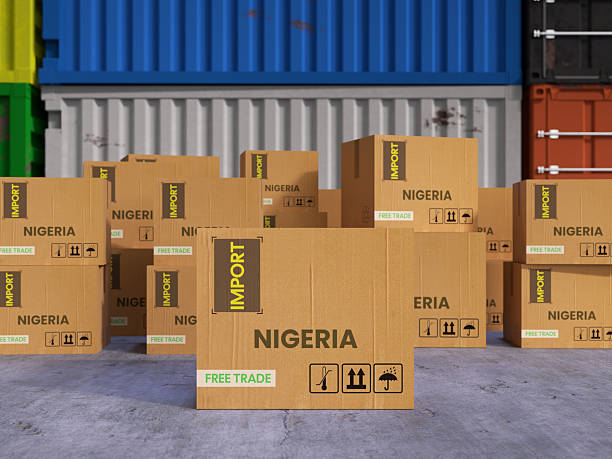
International trade training helps entrepreneurs, importers, exporters, logistics professionals and business owners understand how goods and services move across borders.
For Nigerian businesses, proper training can cover everything from finding international markets and suppliers to documentation, customs, shipping, payment methods and export compliance. It can be particularly useful for people who want to move from informal importing or exporting into a more structured international business.
What International Trade Training Covers
A practical course may cover several stages of an international transaction, including:
- Import and export procedures
- International trade documentation
- Customs and tariffs
- Supplier and buyer verification
- International shipping
- Freight and logistics
- Trade finance
- Cross-border payments
- International contracts
- Export marketing
- Market research
- Product standards and compliance
- Trade risk management
The specific curriculum depends on the training provider and the level of the programme.
Import and Export Documentation
Documentation is one of the areas new traders need to understand carefully.
Training can introduce participants to documents used during international transactions and explain how they relate to customs, shipping, payment and delivery.
For Nigerian exporters and importers, learning the correct documentation process can help reduce avoidable errors that may delay transactions or create additional costs.
Customs and Trade Compliance
International trade involves rules that vary according to the product, country and type of transaction.
Training can help businesses understand customs procedures, tariff classification, applicable regulations and compliance responsibilities.
Courses focused specifically on international trade and customs in Nigeria currently cover areas such as customs regulations and cross-border operations. (trainingcred.com)
Businesses should still confirm current requirements with the relevant authorities before carrying out a transaction because regulations and procedures can change.
International Trade Finance
Financing is another important part of international trade.
Businesses may need to understand payment methods, foreign exchange, trade finance instruments, working capital and the risks associated with paying suppliers or receiving money from overseas buyers.
International trade financing is also offered as a dedicated professional training subject in Nigeria, including programmes listed by FITC. (FITC)
Understanding the financial side of trade can help businesses calculate whether a proposed transaction makes commercial sense before committing funds.
Finding International Markets
International trade training can also focus on identifying suitable markets.
Exporters need to consider demand, competition, pricing, regulations, distribution channels and logistics before entering a new country.
The Nigeria Export Promotion Council points businesses toward International Trade Centre SME Trade Academy courses covering areas such as considering export markets, developing export marketing strategies, cross-border contracts, standards and sustainability. (NEPC)
Supplier and Buyer Verification
Finding a supplier or buyer online does not automatically mean that the company is reliable.
Training can teach businesses what information to request and how to conduct basic due diligence before entering a transaction.
This may include checking company details, product specifications, references, payment arrangements, contracts and shipping responsibilities.
For larger transactions, businesses may require more extensive commercial and legal verification.
International Shipping and Logistics
Trade training should also explain how products physically move from one country to another.
Participants can learn about air freight, sea freight, road transportation, freight forwarding, cargo handling, warehousing and delivery.
Understanding these areas makes it easier to compare shipping options and estimate the full cost of getting products from the supplier to the final customer.
Who Should Take International Trade Training?
International trade training can be useful for:
- New importers
- Exporters
- Manufacturers
- Wholesalers
- SME owners
- Procurement professionals
- Logistics professionals
- Freight forwarders
- Trade consultants
- Banking and finance professionals
- Entrepreneurs exploring international markets
The appropriate level depends on the person’s experience. Beginners may need a foundation in trade terminology and documentation, while experienced professionals may benefit more from specialised customs, trade finance or supply-chain programmes.
International Trade Training Options in Nigeria
There are different formats available.
The NEPC promotes free online International Trade Centre SME Trade Academy courses for people developing export knowledge. (NEPC)
Private providers also offer structured programmes. For example, Lagos School of Export Management currently lists an eight-week Basic Certificate in Export Management covering export operations, documentation and compliance. (LSEM)
More advanced professional programmes can cover international trade and global supply-chain management, including classroom training in Abuja. (trainingcred.com)
How Travo.ng Can Help With International Trade Logistics
Training provides knowledge, but businesses still need practical logistics arrangements when they begin moving goods.
Travo.ng can support relevant cargo transportation, delivery and logistics requirements for businesses involved in importing, exporting and distributing goods.
For example, after completing an international trade transaction, a business may need to move cargo from a port or airport to a warehouse, business location or customer.
Planning this logistics stage alongside the commercial transaction can help businesses understand delivery requirements and associated costs before finalising a deal.
Choosing an International Trade Course
Before enrolling, check what the programme actually teaches.
A useful course should clearly explain its curriculum, target audience, delivery format, duration and certification. Beginners should look for practical coverage rather than a programme that focuses only on theory.
It is also worth checking whether the training addresses Nigerian trade procedures if your objective is to import or export from Nigeria.
Turning Training Into Practical Skills
International trade training becomes more valuable when participants apply what they learn.
A business owner can practise calculating landed costs, preparing documentation, evaluating suppliers, researching an export market and planning a shipment.
The goal should be to understand how the different parts of a transaction connect: market research, sourcing, contracts, payments, compliance, freight and final delivery.
With this foundation, Nigerian businesses can approach international trade with a more structured understanding of the processes involved.
