


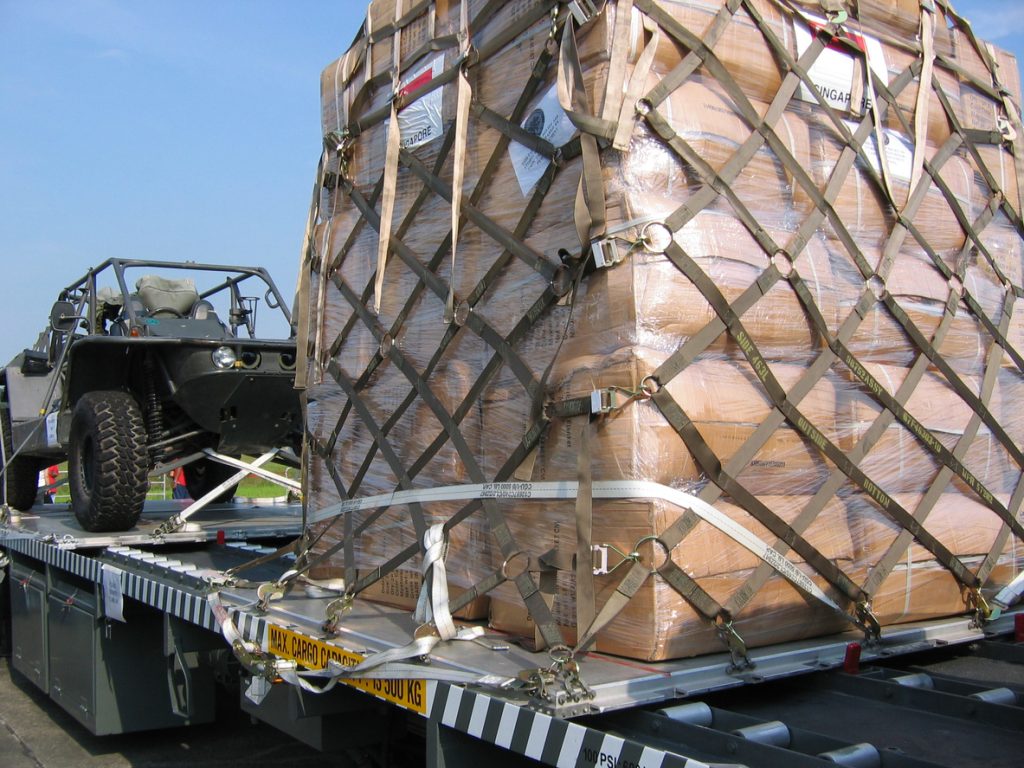
Shipping cargo from the UK to Nigeria is common for businesses and individuals importing electronics, clothing, auto parts, machinery, household goods, personal effects and other products.
The right shipping method depends on the size and value of the cargo, how quickly it is needed and where it will be delivered in Nigeria. Air freight can be useful for smaller or urgent shipments, while sea freight is generally more practical for larger consignments.
The important thing is to calculate the complete cost from the UK supplier to the final Nigerian destination rather than looking only at the international freight charge.
Air Cargo From the UK to Nigeria
Air freight is suitable when speed matters or the shipment is relatively small.
It can be useful for:
- Electronics and accessories
- Documents and samples
- Spare parts
- Fashion products
- High-value items
- Urgent business stock
- Small commercial consignments
Air freight is normally priced around the shipment’s chargeable weight, so the actual weight and dimensions of the packages matter when requesting a quotation.
For a small but valuable shipment, paying more for air cargo may be reasonable because the goods can reach Nigeria much faster than a sea shipment.
Sea Cargo From the UK to Nigeria
Sea freight is generally more appropriate for larger shipments.
It can be used for:
- Furniture
- Machinery
- Large electronics orders
- Auto parts
- Household goods
- Commercial stock
- Building materials
- Containerised cargo
You can ship a full container if your cargo is large enough, or use consolidated cargo where your goods share container space with other shipments.
Sea freight normally offers a lower cost per unit for larger consignments, but the complete delivery takes longer because the process includes export handling, ocean transit, Nigerian port handling, customs clearance and inland transportation.
UK to Nigeria Cargo: How Long Does It Take?
There is no single delivery time for every UK-to-Nigeria shipment.
The total journey can involve:
Supplier collection → UK warehouse → export processing → international transport → Nigerian port or airport → customs clearance → local delivery
Air cargo can arrive considerably faster than sea freight, but customs processing and local delivery can still affect the final timeline.
For sea cargo, vessel schedules, transshipment, port operations and cargo clearance can all affect delivery.
When requesting a quotation, ask for the estimated door-to-door timeline, not just the international transit time.
How Much Does Cargo From UK to Nigeria Cost?
Your shipping quotation will depend on several factors.
These include:
- Cargo weight
- Package dimensions
- Number of packages
- Cargo type
- Shipping method
- UK collection location
- Nigerian destination
- Insurance
- Customs charges
- Port or airport handling
- Local delivery
For sea freight, the volume of the cargo and whether it is a full or consolidated shipment are particularly important.
For air freight, chargeable weight can have a major effect on the price.
Always provide accurate weight and dimensions when requesting a quote so that the freight company can calculate the shipment properly.
Customs Clearance for UK Cargo in Nigeria
Getting the cargo to Nigeria is only part of the import process.
Once goods arrive, the importer may need to complete the appropriate customs procedures and provide the required documentation.
Nigeria Customs states that Nigerian import valuation operates under WTO rules through the ECOWAS Common External Tariff and the Nigeria Customs Service Act. Its guidance identifies the transaction value as the primary valuation method where applicable, with costs such as transport to the Nigerian port or place of importation, handling and insurance potentially forming part of the customs value. (Nigeria Customs Service)
This means your customs calculation should not be based simply on the amount paid to the UK supplier.
The product’s correct classification and the applicable Nigerian tariff treatment also need to be considered.
Documents Needed for UK to Nigeria Cargo
The exact documentation depends on the type of goods and how they are being shipped.
Commercial shipments can involve documents such as:
- Commercial invoice
- Packing list
- Bill of lading for sea cargo
- Air waybill for air cargo
- Import documentation
- Product-specific permits or certificates where applicable
- Customs declaration information
Make sure the product description, quantity, value and other information are consistent across your documents.
Incorrect or incomplete information can cause delays and additional costs during clearance.
Personal Effects vs Commercial Cargo
Not every UK-to-Nigeria shipment is a commercial import.
Someone sending personal belongings, household items or used possessions has a different situation from a trader importing hundreds of units of merchandise for resale.
Before shipping, identify whether the cargo is:
- Personal effects
- A commercial shipment
- A sample
- Used equipment
- A gift
- Business inventory
Do not assume that calling commercial goods “personal effects” will eliminate applicable customs or regulatory requirements.
Nigeria has restrictions and controls on certain categories of goods, so prohibited or regulated products should be checked before shipment. (GOV.UK)
Check the UK Supplier Before Shipping
If you are purchasing goods from a UK supplier, verify the seller before sending money.
Check:
- Company details
- Product specifications
- Condition of the goods
- Quantity
- Warranty
- Invoice
- Collection address
- Packaging
- Shipping terms
This is especially important for used cars, electronics, machinery and refurbished products.
For expensive cargo, keep evidence of the transaction, including the invoice, payment record and product details.
Don’t Compare Freight Rates Alone
Suppose one shipping company quotes £500 and another quotes £600.
The £500 quotation may not actually be cheaper if it excludes destination charges, handling, insurance or local delivery.
Ask every shipping provider whether the quotation includes:
- UK collection
- Export handling
- International freight
- Insurance
- Nigerian port or airport charges
- Customs-related charges
- Clearing fees
- Storage
- Final delivery
Then compare the total landed cost.
This is especially important for commercial importers because a few additional charges per shipment can significantly affect profit margins.
How Travo.ng Can Support UK-to-Nigeria Cargo
Travo.ng can support the Nigerian transportation and delivery side of a UK-to-Nigeria cargo operation.
For example, after cargo has arrived at a Nigerian airport or seaport and the required clearance has been completed, the importer may need transportation to a warehouse, shop, office or customer.
Travo.ng can assist with relevant delivery, vehicle hire and transport coordination depending on the cargo movement required.
Travo.ng is not the Nigeria Customs Service, a port authority or a customs clearance authority. Importers should still use the appropriate customs and regulatory channels for declarations, duties, inspections and formal clearance.
This makes Travo.ng more relevant to the onward logistics stage, helping connect the international shipment with its final Nigerian destination.
How to Choose Air or Sea Cargo
Choose air freight when speed is important, the shipment is relatively small or the cargo has a high value relative to its weight.
Choose sea freight when you are moving larger quantities and can plan around a longer delivery period.
For either option, calculate:
Product cost + UK collection + international freight + insurance + customs duties/taxes + destination charges + Nigerian delivery
Then divide the total by the number of units if you are importing for resale.
That gives you a more realistic landed cost and helps you determine whether the UK supplier is actually profitable for your Nigerian business.
Planning Your UK-to-Nigeria Shipment
The easiest way to avoid unexpected problems is to plan the entire cargo movement before the goods leave the UK.
Confirm the supplier, cargo description, quantity, packaging, dimensions, shipping method, documentation, customs requirements and Nigerian delivery location.
Get an itemised freight quotation and ask what happens if the shipment is delayed or requires additional handling.
For commercial imports, also calculate the expected selling price in Nigeria against the complete landed cost.
A successful UK-to-Nigeria shipment is not simply about finding a cheap freight company. It is about moving the right goods through the right route, completing the required import procedures and getting the cargo to its final destination at a cost that makes business sense.
