


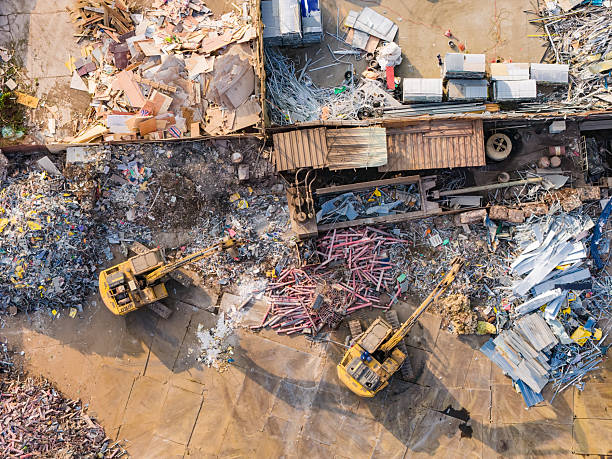
Managing waste in a busy city is rarely as simple as putting refuse outside and hoping it disappears on time. Smart waste collection in Lagos is becoming more important for homes, offices, restaurants, estates, shops, and other businesses that need predictable pickups rather than overflowing bins and last-minute arrangements.
In areas such as Lekki, Ikeja, Surulere, Victoria Island, Yaba, and Ajah, waste volumes can increase quickly. A missed collection day can create odour, attract pests, inconvenience customers, and leave property managers scrambling for another solution.
A smarter approach focuses on proper scheduling, suitable collection vehicles, reliable coordination, and knowing how much waste a location actually produces.
What Smart Waste Collection in Lagos Looks Like in Practice
Smart collection does not necessarily mean complicated technology. For many Lagos customers, it simply means organising waste removal around actual needs.
A small office may only require scheduled pickups a few times each week. A restaurant, supermarket, hotel, or busy residential estate may need more frequent collections because food waste and packaging accumulate much faster.
A practical service should consider:
- How much waste is generated daily
- The type of waste being removed
- Available storage or bin space
- Access for collection vehicles
- Preferred collection times
- How Lagos traffic affects pickup schedules
Matching the collection plan to these factors reduces unnecessary trips while preventing waste from sitting around too long.
Lagos Traffic Can Affect Waste Pickup More Than Expected
Timing matters when arranging waste collection.
A pickup vehicle travelling between the mainland and Island during peak traffic can lose several hours around routes such as Third Mainland Bridge, Lekki-Epe Expressway, Ikorodu Road, or major Ikeja corridors.
Businesses therefore benefit from planned collection windows rather than waiting until bins are already full.
Early morning collections may work better for commercial areas where daytime traffic and customer activity make vehicle access difficult. Estates may prefer scheduled periods when security personnel can easily coordinate entry.
Travo.ng can help businesses and property managers coordinate transport and operational logistics around these realities.
Restaurants and Food Businesses Need Faster Collection Cycles
Food businesses usually cannot treat waste the same way an ordinary office does.
Restaurants in places like Lekki Phase 1, Ikeja GRA, Yaba, and Victoria Island may generate cartons, bottles, takeaway packaging, spoiled ingredients, and food scraps every day.
Leaving organic waste for several days creates obvious hygiene problems, especially during hot Lagos weather.
For these businesses, smart waste collection often means establishing recurring pickups based on daily waste volumes instead of calling for removal only when the storage area becomes full.
The same principle applies to hotels, supermarkets, event centres, and catering businesses.
Avoid Waiting Until Your Waste Area Is Already Overflowing
One common mistake is arranging collection too late.
By the time refuse starts blocking walkways or spilling outside bins, the business may require a larger vehicle or additional trips. That can make the entire operation more difficult than necessary.
A better system is to estimate how long it normally takes bins to reach about 70 to 80 percent capacity and schedule collection before that point.
During festive periods, large events, office renovations, or busy retail seasons, customers should also expect waste volumes to increase temporarily.
Planning for those periods prevents emergency arrangements.
Businesses Can Combine Waste Logistics With Other Support
Waste removal is often only one part of a company’s operational needs.
A business might also require courier deliveries, cargo movement, procurement transport, vehicle hire, relocation support, or regular distribution around Lagos.
Travo.ng provides logistics and transport coordination that can help businesses organise these activities through a more structured process instead of dealing with each requirement only when a problem occurs.
For companies managing several locations, coordinated scheduling can be particularly useful.
Schedule Smart Waste Collection Before It Becomes an Emergency
Reliable smart waste collection in Lagos starts with understanding the property, expected waste volume, access conditions, and the right pickup frequency.
Homes may need simple recurring collections, while restaurants, offices, estates, and commercial facilities usually require more structured scheduling.
Travo.ng can support customers looking for practical waste collection and related logistics coordination across Lagos. Instead of waiting for waste to pile up, businesses and households can schedule collection around their actual needs and keep their premises cleaner and easier to manage.
