


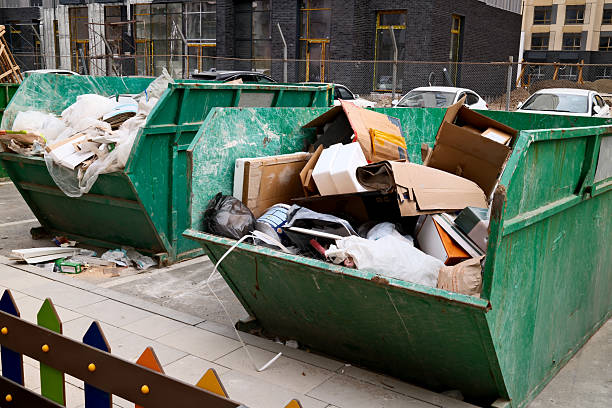
Circular economy waste in Lagos is becoming a practical concern for businesses, households, manufacturers, restaurants, estates, and retailers trying to reduce what ends up at dumpsites. In a city where packaging, food waste, plastics, cartons, damaged products, and commercial waste are generated daily, simply throwing everything away is increasingly expensive and inefficient.
A circular approach treats some of that waste as material that can be collected, sorted, reused, repaired, recycled, or returned to another part of the supply chain.
For Lagos businesses, however, the challenge is rarely just understanding recycling. The difficult part is organising collection, temporary storage, transportation, sorting, and movement to the right recycling or recovery point.
What Circular Waste Management Looks Like in Lagos
A restaurant in Lekki may generate cartons, plastic containers, bottles, cooking-oil containers, and food waste every day. An ecommerce warehouse in Ikeja can accumulate damaged packaging, stretch film, cartons, returned products, and pallets.
These materials should not necessarily follow the same disposal route.
A workable circular waste system usually separates recoverable materials before collection. Depending on the business, this may include:
- Cardboard and paper
- PET bottles and other plastics
- Aluminium cans and metals
- Wooden pallets
- Electronic equipment
- Reusable containers
- Organic food waste
- Packaging from returned goods
Separating waste at source makes collection easier and reduces contamination that can make recyclable materials unusable.
Lagos Traffic Can Make Waste Collection More Complicated
Waste logistics in Lagos has the same operational problems affecting ordinary deliveries.
A collection vehicle moving from Victoria Island to a recovery facility on the mainland can lose several hours during peak traffic. Businesses in Lekki, Ajah, Ikeja, Surulere, Yaba, and industrial areas also have different access restrictions and collection requirements.
This means collection schedules should be planned around actual waste volumes and traffic conditions rather than waiting until storage areas become full.
Restaurants may require frequent pickups because of organic waste, while offices producing mostly paper and plastic can often operate on scheduled collection days.
Businesses Should Know Where Their Waste Is Going
One mistake businesses make is handing mixed waste to a transporter without knowing what happens afterwards.
If the goal is circular economy waste in Lagos, businesses need clearer separation between materials going for recycling, reuse, recovery, or final disposal.
For example, cartons from a supermarket may still have resale or recycling value when they are dry and properly bundled. The same cartons can become difficult to recover once mixed with wet food waste.
Companies handling large volumes should also maintain simple records showing what was collected, how much was moved, and where it was delivered.
Reverse Logistics Can Reduce Commercial Waste
Circular systems are closely connected to reverse logistics.
Products do not always move from warehouse to customer and stop there. Businesses also deal with rejected deliveries, reusable packaging, damaged inventory, equipment repairs, returned containers, and ecommerce returns.
Instead of automatically disposing of these items, companies can create a return route back to a warehouse, supplier, repair centre, recycling facility, or another customer.
Travo.ng can support businesses with transport coordination, collection arrangements, delivery services, cargo movement, and other logistics required to move reusable or recoverable materials efficiently.
Storage Matters Before Collection
Waste should not block loading bays, customer areas, walkways, or warehouse operations while waiting for pickup.
Businesses generating recyclable materials regularly can create clearly labelled holding areas for cardboard, plastics, metals, reusable packaging, and non-recoverable waste.
For operations producing larger quantities, collection frequency should be matched to available storage capacity. Waiting too long can create hygiene problems, occupy valuable warehouse space, or increase handling costs.
Building a Practical Circular Waste Routine
Businesses do not need an overly complicated system to start reducing waste.
Begin by identifying the largest waste streams, separating materials that still have value, assigning collection days, and confirming where each category will go.
For companies operating several branches across Lagos, coordinated pickups can also reduce unnecessary individual trips.
Travo.ng can help organise business logistics, scheduled collections, transport coordination, cargo movement, and delivery support where materials need to move between branches, warehouses, recycling points, suppliers, or recovery partners.
Circular economy waste in Lagos works best when recycling is supported by practical logistics. When collection, sorting, storage, and transportation are organised properly, businesses can reduce unnecessary disposal while recovering more value from materials they already handle every day.
