


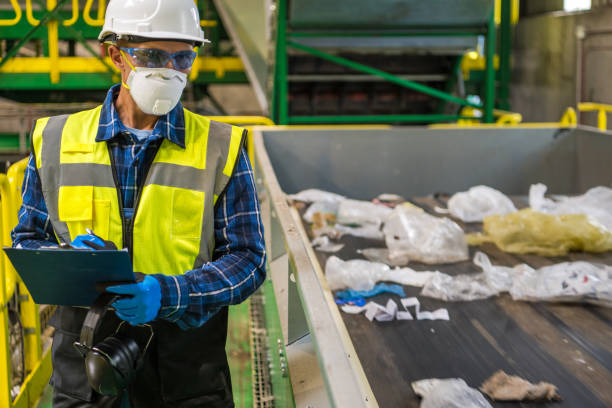
Managing environmental compliance waste in Lagos is becoming an important operational responsibility for factories, offices, restaurants, construction companies, warehouses, estates, and other businesses that generate waste regularly.
In a city where commercial activity moves quickly, waste can pile up faster than expected. A restaurant in Lekki may generate bags of food and packaging waste every day, while a warehouse in Ikeja could accumulate cartons, damaged products, pallets, and other materials over several weeks. Without a proper collection and transport arrangement, the problem can quickly affect hygiene, safety, and daily operations.
The practical solution is not simply finding someone with a truck. Businesses need organised waste handling that considers collection timing, segregation, transport, disposal arrangements, and records where necessary.
Know What Type of Waste Your Business Produces
Before arranging collection, identify what you are actually disposing of.
Normal commercial waste can include:
- Cardboard and packaging materials
- Food and organic waste
- Plastic containers
- Office waste
- Damaged inventory
- Scrap materials
- Construction debris
- Used equipment and bulky items
Some operations may also generate chemical, medical, oily, electronic, or other controlled waste that requires specialised handling.
Separating waste at the point where it is generated makes collection easier and reduces the risk of mixing ordinary rubbish with materials that need different treatment.
Environmental Compliance Waste in Lagos Needs a Collection Plan
One common problem businesses face is waiting until waste becomes overwhelming before requesting evacuation.
That approach can cause overflowing bins, blocked loading areas, unpleasant smells, pest problems, or delays when vehicles need to access the premises.
A restaurant producing waste daily may need frequent pickups, while an office complex might work with a weekly arrangement. Warehouses and construction sites often require collection based on volume rather than a fixed daily schedule.
For locations around Ikeja, Victoria Island, Lekki, Apapa, Surulere, and other busy parts of Lagos, timing also matters. Large collection vehicles may struggle to enter some premises during peak traffic or when loading areas are occupied.
Planning pickups around operating hours can reduce disruption.
Keep Waste Movement Organised
Environmental responsibility does not end when waste leaves the building.
Businesses should know who is collecting their waste, what type of vehicle is being used, and where the materials are expected to go. Loose rubbish transported in unsuitable vehicles can fall onto the road, create environmental problems, and expose businesses to unnecessary complaints.
For larger commercial operations, it also helps to maintain basic records showing:
- Collection dates
- Type of waste removed
- Approximate quantity
- Collection provider
- Destination or disposal arrangement
This creates a clearer operational trail when management teams need to review waste practices.
Lagos Traffic Can Affect Waste Collection
Waste logistics in Lagos has the same transport challenges as other delivery operations.
A truck travelling between Lekki and mainland Lagos can lose significant time during morning or evening congestion. Apapa operations can also be affected by heavy truck traffic and industrial activity.
Businesses should therefore avoid assuming every collection can happen immediately.
Scheduling early, providing accurate waste volumes, and confirming vehicle access can make evacuation much smoother.
Travo.ng can support businesses that need coordinated transport and logistics arrangements for moving commercial materials and organising reliable pickups across Lagos.
Avoid Mixing Waste Just to Save Space
Combining everything in one container may appear convenient, but it can make handling more difficult.
For example, cartons mixed with wet food waste become harder to recover. Broken glass placed loosely with ordinary office rubbish also creates unnecessary risk for handlers.
Simple labelled collection points for recyclable materials, general waste, food waste, and specialised waste can improve operations without requiring a complicated waste management system.
Build Waste Collection Into Daily Operations
Businesses dealing with environmental compliance waste in Lagos should treat waste movement like any other recurring logistics requirement.
Know your waste volume, separate materials correctly, schedule collections before storage areas become full, and keep basic records of what leaves your premises.
Travo.ng provides practical logistics and transport coordination that can help Lagos businesses organise scheduled pickups, material movement, and related business logistics support.
A reliable system keeps waste from becoming an emergency and allows staff to concentrate on running the business instead of searching for last-minute collection options whenever bins, storage areas, or loading bays become full.
