


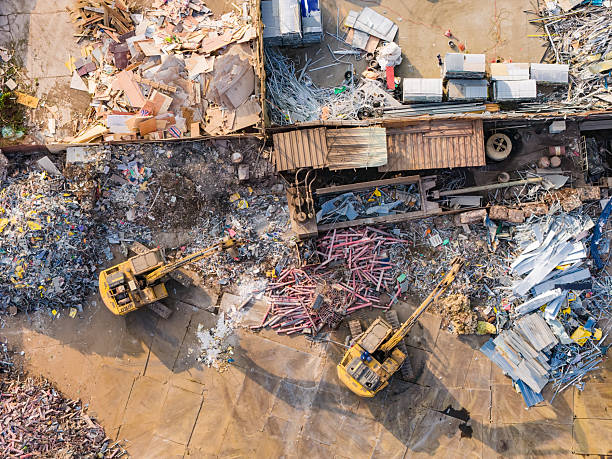
Managing corporate sustainability waste in Lagos is becoming a practical business concern rather than something companies can treat as an occasional environmental project. Offices, hotels, warehouses, retail businesses, factories, restaurants, and corporate facilities all generate waste that needs to be collected, separated, moved, and handled properly.
The difficulty in Lagos is often not producing less waste alone. Businesses also need a dependable system for moving waste from their premises without affecting customers, employees, traffic flow, or daily operations.
Travo.ng supports businesses with transport coordination, logistics planning, scheduled movements, and operational support that can make corporate waste management easier to organise.
Start With the Waste Your Business Actually Produces
A company should understand its waste streams before arranging collection.
A typical Lagos office may generate mostly paper, food packaging, cartons, plastic bottles, printer materials, and discarded equipment. A restaurant or hotel will produce very different volumes, particularly food waste, packaging, bottles, and cleaning materials.
Warehouses and distribution businesses may deal with:
- Damaged cartons
- Plastic wrapping
- Wooden pallets
- Packaging materials
- Returned products
- Obsolete stock
- General operational waste
Separating these materials early can make collection easier and reduce the amount of recyclable material mixed with general waste.
Corporate Sustainability Waste in Lagos Needs a Schedule
One common mistake is waiting until waste has accumulated before arranging transportation.
That approach can create problems quickly, especially for businesses operating from busy commercial areas such as Victoria Island, Lekki, Ikeja, Surulere, Yaba, and Lagos Island.
A better approach is to set collection frequencies based on actual waste volume.
An office may only require scheduled movement once or twice weekly. A busy restaurant, hotel, supermarket, or manufacturing facility may need daily or more frequent arrangements.
Collection timing also matters. Moving bulky waste during peak traffic around Lekki-Epe Expressway, Ikorodu Road, Apapa, or central Lagos can create unnecessary delays.
Businesses often get better results by arranging movement during quieter operating periods.
Separate Recyclables Before They Leave the Premises
Sustainability becomes harder when every material enters the same bin.
Companies aiming to improve waste reduction can create clearly marked areas for materials such as:
- Paper and cardboard
- Plastic
- Glass
- Metal
- Electronic equipment
- Organic waste
- General non-recyclable waste
This does not need to become complicated.
Even basic separation within offices, warehouses, and staff areas can make downstream handling easier.
For companies operating several branches across Lagos, the bigger challenge is usually consistency. Each location should follow the same collection and storage process so waste is not handled differently from one branch to another.
Transport Is Often the Missing Part of the Waste Plan
Businesses sometimes create excellent sustainability policies without deciding how materials will physically move from their facilities.
That is where logistics becomes important.
Collected cartons, old equipment, recyclables, packaging materials, or bulk waste may require suitable vehicles, planned loading, destination coordination, and predictable pickup times.
Travo.ng can support companies that need transport coordination, vehicle arrangements, scheduled pickups, and broader business logistics support.
This is particularly useful for businesses moving materials between offices, warehouses, recycling points, storage locations, or approved disposal facilities.
Avoid Letting Waste Disrupt Normal Business Operations
Waste handling should work around the business rather than interrupt it.
For example, a retailer in Ikeja may want collections before customers arrive. A hotel in Victoria Island may prefer movement outside busy guest check-in periods. A warehouse near Apapa may need collections coordinated around truck loading schedules and port-area traffic.
Planning these details reduces congestion around entrances, keeps loading areas available, and prevents waste from building up in customer-facing spaces.
Track What Is Being Removed
Companies serious about corporate sustainability should record what leaves their premises.
A simple monthly record can include the type of waste collected, estimated volume, collection frequency, destination, and whether materials were recycled, reused, stored, or disposed of.
Over several months, these records can reveal where waste is increasing and where operational changes could reduce it.
For example, repeatedly removing large quantities of damaged packaging may indicate a procurement, storage, or handling problem rather than simply a waste problem.
Build a Waste System That Can Grow With the Business
Effective corporate sustainability waste in Lagos depends on more than placing recycling bins around an office.
Businesses need realistic separation procedures, dependable collection schedules, appropriate transport, clear records, and coordination across different locations.
Travo.ng can help companies arrange practical logistics and transport support around these requirements. Whether a business needs scheduled collections, vehicle coordination, movement between facilities, or wider corporate logistics assistance, creating a reliable operating system makes sustainability easier to maintain as the company grows.
