


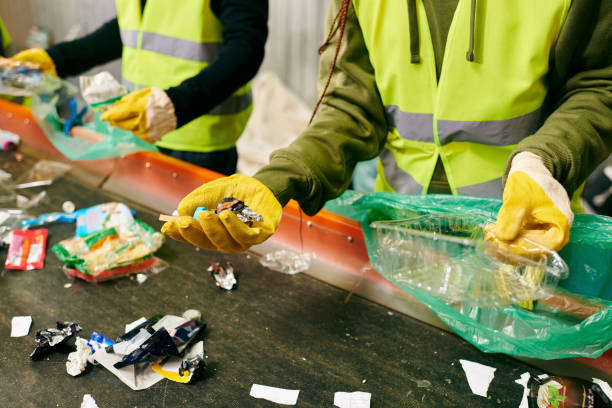
Catering waste management in Lagos can quickly become a serious operational problem when food scraps, packaging, disposable plates, bottles and cooking waste are not cleared on time. For restaurants, caterers, hotels and event planners, the issue is not only cleanliness. Poor waste handling can affect kitchen workflow, customer experience and the speed at which a venue can be reset for the next service.
In busy parts of Lagos such as Lekki, Victoria Island, Ikeja, Surulere and Yaba, waste collection also has to be planned around traffic, loading access and the volume generated during peak periods.
Travo.ng can support businesses with practical transport and logistics coordination for moving catering waste from kitchens, event venues and commercial facilities to appropriate collection or disposal points.
How Catering Waste Builds Up Faster Than Expected
A restaurant serving hundreds of meals daily can generate significant volumes of vegetable cuttings, leftover food, cartons, plastic containers and beverage bottles within a few hours.
Events can be even more unpredictable. A wedding reception for 500 guests may produce bags of disposable plates, drink bottles, food remnants and packaging that need to disappear shortly after the event ends.
Leaving everything until the following morning is rarely ideal, especially when the venue has another booking.
A practical waste plan should consider:
- Expected number of guests or meals
- Type and volume of waste
- Number of collection bins required
- Vehicle access to the property
- Collection time
- Distance to the receiving facility
- Whether multiple pickups may be necessary
Planning these details before service begins prevents waste from overwhelming the kitchen or loading area.
Catering Waste Management in Lagos Needs Good Timing
Timing is one of the biggest challenges.
A pickup vehicle scheduled to reach Victoria Island at 5:00 p.m. on a Friday may spend far longer in traffic than one dispatched earlier in the afternoon. The same applies to collections around Lekki, Ikoyi and central Lagos during major events.
Businesses should therefore avoid waiting until bins are completely full before requesting movement.
For large events, arranging a collection window in advance is usually more practical. Vehicles can be positioned according to the venue’s closing time, expected waste volume and road conditions.
Travo.ng’s transport coordination and business logistics support can help organise scheduled collections so businesses are not searching for transport after waste has already accumulated.
Separate Food Waste From Packaging Where Possible
Mixing every type of catering waste together makes handling more difficult.
Restaurants and event kitchens can simplify collection by separating food waste from recyclable or dry materials such as cartons, plastic bottles and cans.
Basic separation can include:
- Food scraps and kitchen waste
- Plastic and drink containers
- Cardboard and packaging
- Glass bottles where applicable
- General non-recyclable waste
Containers should also be properly closed before transportation. This reduces spills, odour and leakage while waste is being moved through loading areas or transported across Lagos.
For commercial kitchens, assigning responsibility to specific staff members during busy shifts can prevent waste areas from becoming disorganised.
Restaurants Should Plan Around Their Busiest Days
Waste volumes are rarely identical every day.
A restaurant in Lekki may generate considerably more waste on Friday evenings and weekends than on a Monday afternoon. Caterers may experience sudden increases when handling weddings, conferences or corporate functions.
Instead of using the same collection schedule regardless of demand, businesses can adjust pickups according to their actual operations.
Extra collections may be needed during festive periods, December events, large conferences or weekends when hospitality businesses experience higher customer volumes.
This is particularly important where storage space is limited.
What to Check Before Booking a Waste Pickup
Before arranging catering waste management in Lagos, provide clear operational information.
The collection team should know the pickup address, estimated quantity, preferred collection period and whether the property has access restrictions.
For example, collecting several bags from a roadside restaurant is different from clearing waste from a hotel loading bay or a large event centre.
Businesses should also confirm how waste will be packed before the vehicle arrives. Proper preparation reduces loading delays and helps prevent unexpected transport problems.
Travo.ng can coordinate suitable transport and scheduled movement for restaurants, caterers, event organisers and other businesses that need dependable logistics support.
With proper planning, waste can be cleared quickly without disrupting kitchen operations, guests or the next event scheduled at the venue.
For businesses handling regular food service or large events, arranging catering waste management in Lagos before waste becomes a problem is usually the most efficient approach.
