


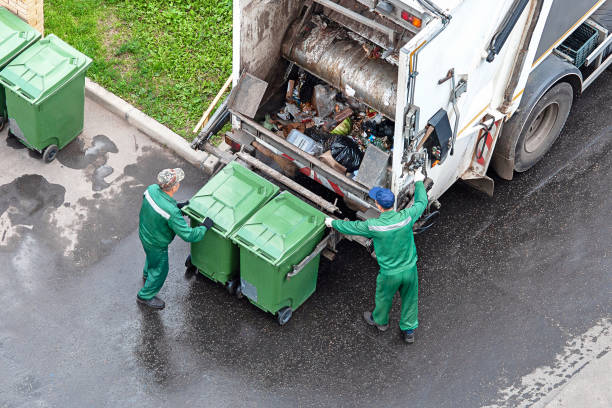
Grease trap waste disposal in Lagos is an important part of keeping restaurants, hotels, bakeries, cafeterias, and commercial kitchens running without unpleasant smells, blocked drains, or messy wastewater problems.
A busy kitchen can produce significant amounts of fats, oils, grease, and food residue every day. Once the grease trap fills beyond a manageable level, wastewater may drain slowly, odours can become difficult to control, and staff may suddenly face a cleaning problem during peak business hours.
Travo.ng helps businesses coordinate practical waste collection and logistics support, making it easier to arrange grease trap waste removal without disrupting normal kitchen operations.
What Happens When a Grease Trap Stays Full Too Long?
Grease traps separate fats, oils, grease, and solid food particles from wastewater before it moves further through the drainage system.
The problem is that the collected material does not disappear. It gradually builds up.
In a busy Lagos restaurant serving breakfast, lunch, and dinner, the trap may require attention much more frequently than one in a small office kitchen. Waiting until wastewater begins backing up is usually more stressful than arranging routine servicing.
Common warning signs include:
- Persistent smells around the kitchen or drainage area
- Water draining more slowly than usual
- Visible grease buildup inside the trap
- Overflow around the grease trap
- Repeated drain blockages
- Increased presence of flies or other pests
Once these signs appear, delaying evacuation can make cleaning more difficult.
Scheduling Grease Trap Waste Disposal in Lagos
For commercial kitchens, collection should ideally be planned around quieter operating periods.
A restaurant in Victoria Island, Ikeja, Lekki, Surulere, or Yaba may prefer early-morning removal before food preparation begins. Hotels and large catering facilities may need collection coordinated around kitchen shifts so that access areas remain clear.
Before collection, the operator should confirm the approximate size of the grease trap, its location, accessibility, and the amount of accumulated waste.
This matters because a grease trap located behind a building with vehicle access is easier to service than one inside a tight commercial compound where equipment must be moved over a longer distance.
Lagos Traffic Can Affect Waste Collection Timing
Waste evacuation is not only a cleaning job; transport planning also matters.
Moving equipment through Lagos during heavy traffic can affect arrival times significantly. Businesses around Lekki, Ajah, Victoria Island, Ikeja, and Lagos Island should therefore avoid scheduling urgent collection at the exact time the trap is already overflowing.
Routine scheduling gives operators more flexibility to plan around traffic, kitchen activities, and building access.
For businesses with several branches, coordinated collection can also reduce repeated emergency requests and make waste management easier to monitor.
Restaurants Should Keep a Simple Maintenance Record
One practical approach is to record every grease trap cleaning date.
Note when the trap was serviced, how full it was, and whether there were signs of slow drainage. After several cleaning cycles, the business can estimate how quickly its trap typically fills.
A high-volume restaurant may require a different schedule from a small café.
Businesses should also reduce unnecessary grease entering the drainage system by scraping plates and cookware before washing and keeping food solids out of sinks whenever possible.
Arrange Waste Collection Before It Becomes an Emergency
Emergency grease removal during a busy Friday evening can interrupt kitchen operations and create an unpleasant experience for customers and staff.
Planning ahead is usually easier.
Travo.ng can help businesses arrange grease trap waste disposal in Lagos alongside other practical business logistics and waste collection requirements. Restaurants, hotels, caterers, estates, and commercial facilities can schedule collection based on their location, operating hours, access conditions, and waste volume.
Regular servicing keeps the kitchen environment easier to manage and reduces the chance that a preventable grease buildup turns into a drainage emergency.
Instead of waiting for smells, overflowing wastewater, or blocked drains, businesses can schedule grease trap waste collection with Travo.ng as part of their routine facility management.
