


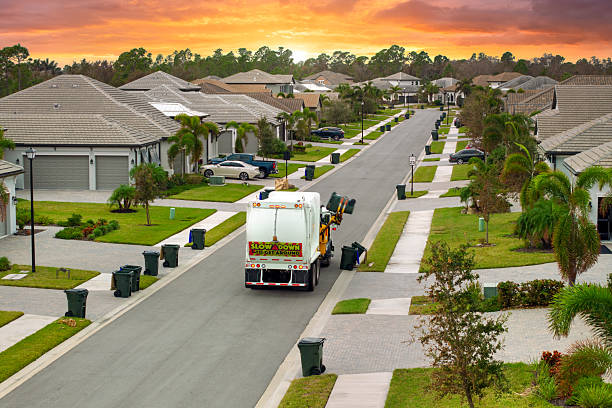
Managing industrial waste in Lagos is more complicated than simply loading unwanted materials into a truck and moving them off-site. Factories, workshops, warehouses, construction firms, food processors, and other commercial facilities often generate waste that requires proper sorting, collection, transportation, and disposal.
For businesses looking for industrial waste disposal in Lagos, the main challenge is finding a practical system that keeps waste from disrupting operations. Travo.ng can support businesses with scheduled waste movement, transport coordination, vehicle arrangements, and related logistics across Lagos.
Start by Identifying the Waste Your Business Generates
Industrial waste varies significantly between businesses. A food processing facility may deal with packaging, rejected materials, organic waste, and damaged pallets. A fabrication workshop could generate metal scraps, used containers, and production offcuts.
Construction and maintenance operations may produce:
- Broken concrete and blocks
- Timber and packaging
- Metal scraps
- Damaged equipment parts
- Plastic materials
- General production waste
Businesses should separate materials before collection where possible. Mixing every type of waste together can make loading slower and complicate handling at the receiving point.
How Industrial Waste Collection Works in Lagos
A typical collection starts with estimating the volume and type of material involved. This determines the appropriate vehicle, loading method, manpower requirements, and number of trips.
A small workshop in Ikeja may need occasional collection, while a factory around Apapa, Ilupeju, or Agbara may generate enough material to require scheduled pickups several times a week.
For larger loads, businesses should avoid waiting until waste completely fills their available storage space. Once materials block loading bays, parking areas, or access roads, removal becomes an operational emergency rather than a routine logistics task.
Travo.ng can help coordinate waste collection vehicles and transportation based on the site’s volume and accessibility.
Lagos Traffic Can Affect Waste Removal Schedules
Industrial waste transport should be planned around Lagos traffic just like normal cargo movement.
A truck leaving an industrial facility around Apapa during heavy congestion can spend considerably longer on the road than one dispatched during a quieter period. Similar delays can occur around Oshodi, Mile 2, Lagos Island, and major industrial corridors.
Businesses should therefore build reasonable collection windows into their schedules rather than arranging removal immediately before production areas become full.
Morning loading may work better for some facilities, while others prefer collections after production shifts when forklifts and loading staff are available.
What Determines the Cost of Industrial Waste Disposal in Lagos
There is rarely one fixed price because each job involves different requirements.
Pricing may depend on:
- Waste volume and weight
- Number of truck trips required
- Vehicle size
- Loading assistance
- Pickup location
- Travel distance
- Frequency of collection
- Special handling requirements
A one-off collection from a small warehouse will naturally be structured differently from recurring waste evacuation for a manufacturing facility.
Providing accurate information about the waste before booking helps prevent situations where the vehicle sent is too small or unsuitable for the load.
Regular Collection Is Better Than Emergency Evacuation
Businesses generating waste continuously usually benefit from a predictable collection arrangement.
For example, a manufacturer can schedule removal every few days based on production volume instead of calling for trucks only when waste begins interfering with operations.
Regular industrial waste disposal in Lagos can also make vehicle planning easier because the business knows roughly how much material will be ready during each collection.
Travo.ng can coordinate recurring transport requirements alongside other business logistics services, including cargo movement, truck arrangements, delivery support, and supply-chain transportation.
Plan Industrial Waste Movement Before It Becomes a Problem
Waste management works best when it is treated as part of normal operations rather than an afterthought.
Businesses should identify what they generate, separate materials where practical, estimate volumes, create suitable loading access, and arrange collections before storage areas become overcrowded.
For companies that need dependable industrial waste disposal in Lagos, Travo.ng provides practical transport and logistics coordination for one-off or recurring waste movement. Businesses can schedule collections based on their location, operating hours, waste volume, and preferred pickup frequency, helping keep facilities organised and production areas accessible.
