


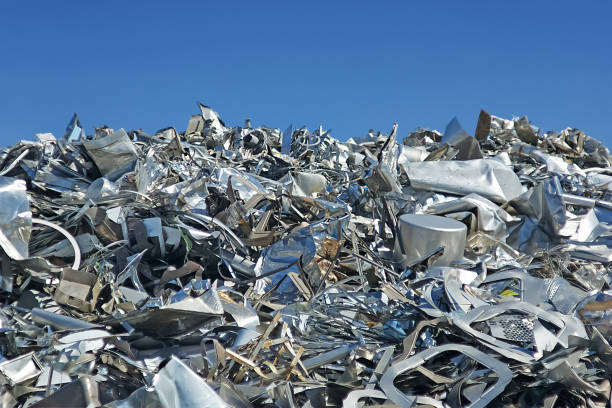
Metal waste can become a serious problem when it starts taking over a workshop, warehouse, construction site or residential compound. Old roofing sheets, damaged machinery, steel frames, aluminium parts, pipes and other unwanted metal are difficult to move with an ordinary vehicle.
For businesses and property owners searching for metal waste removal Accra, the real challenge is usually not finding somewhere to put the waste. It is getting the material out of the property safely, loading it properly and arranging transportation that can handle its size and weight.
A well-planned removal service can make the process much easier, especially when the material is bulky or there is enough of it to require a proper truck.
What Counts as Metal Waste?
Metal waste can come from almost anywhere. In Accra, common examples include:
- Old steel frames
- Roofing sheets
- Aluminium materials
- Copper pipes and wires
- Iron bars and rods
- Metal doors and gates
- Old shelving
- Damaged machinery
- Vehicle parts
- Construction offcuts
- Old generators and equipment
- Pipes and metal fittings
- Unwanted industrial equipment
Some materials are relatively easy to collect, while others may require cutting, dismantling or additional handling before they can be transported.
The first thing to establish is therefore not just how much waste you have, but what type of material it is and how difficult it will be to remove.
When Metal Waste Becomes a Logistics Problem
A few pieces of scrap metal can usually be handled without much difficulty. The situation changes when a business has been storing metal for months or a construction project has generated a large pile.
For example, a workshop around Accra may have old vehicle parts, metal frames and damaged equipment occupying part of its yard. A contractor may have several piles of steel offcuts left after completing a building project.
At that point, simply telling someone to “come and pick it up” is not enough.
Someone needs to consider:
- How much material is there?
- Can the truck reach the property?
- Does the metal need to be cut or dismantled?
- How many workers are required?
- Is the material loose or stacked?
- What size of vehicle is appropriate?
- Where is the material going?
These details can determine how quickly and efficiently the job is completed.
How Metal Waste Removal Works in Accra
A straightforward removal job normally starts with an assessment of the material and location.
The customer can provide photographs, describe the type of metal and estimate the quantity. This helps determine what sort of transportation and handling arrangement is needed.
The process can then follow these steps:
- Identify the waste – Separate or identify steel, aluminium, copper and other materials where possible.
- Confirm the location – Give the exact pickup area and any useful access information.
- Assess the load – Estimate the volume, weight and dimensions of the metal.
- Plan loading – Determine whether the material can be loaded manually or needs additional handling.
- Choose the vehicle – Match the vehicle to the size and weight of the load.
- Load and secure the material – Bulky metal must be positioned properly for safe transportation.
- Move the waste – Transport it to the agreed destination for recycling, recovery or disposal.
This is particularly important for commercial customers because poor planning can turn what should be a simple collection into a multi-trip job.
Removing Metal Waste From Construction Sites
Construction sites are some of the biggest sources of metal waste.
A project can generate steel offcuts, roofing materials, pipes, reinforcement pieces, damaged equipment and other metal debris throughout the construction process.
Leaving everything until the end can create unnecessary problems. Large piles occupy working space and can make movement around the site more difficult.
Contractors can instead arrange removal at different stages of the project.
For example, once a significant quantity of steel offcuts has accumulated, a collection can be scheduled before the next phase of construction begins. This keeps the site more organised and makes it easier for workers and equipment to move around.
Metal Waste Removal for Workshops and Auto Businesses
Mechanics and fabrication businesses regularly deal with metal waste.
Old exhaust components, damaged body panels, steel parts, engine components and other unwanted materials can accumulate surprisingly quickly.
A small workshop may manage its waste internally, but larger workshops often benefit from scheduled removal.
Instead of waiting until the yard is full, businesses can arrange collections based on how quickly scrap accumulates.
This is particularly useful where the business has limited storage space and needs to keep the premises operational.
The Problem With Using the Wrong Vehicle
One of the most common mistakes is arranging a vehicle before understanding the load.
A small vehicle may be suitable for a modest quantity of lightweight aluminium. It may not be appropriate for a large amount of steel.
Likewise, a long metal structure may occupy considerable space even if it does not weigh as much as expected.
Before arranging transportation, consider:
- Weight
- Volume
- Length
- Width
- Loading height
- Access to the property
- Distance to the destination
- Whether the material needs dismantling
For difficult collections, sending the wrong vehicle can mean unloading and arranging another vehicle, which wastes both time and money.
What Does Metal Waste Removal Cost in Accra?
There is no fixed price for every metal waste removal job.
The cost depends on the specific circumstances, including:
- Quantity of metal
- Type of material
- Pickup location
- Distance involved
- Vehicle required
- Number of workers needed
- Loading difficulty
- Whether dismantling is necessary
- Number of trips required
For instance, removing a small pile of metal from an easily accessible compound is completely different from clearing several tonnes of steel from a construction site.
Customers should therefore provide as much information as possible when requesting a quote. Photographs of the waste can be particularly useful for larger jobs.
Preparing Metal Waste Before Pickup
You do not necessarily need to dismantle everything before arranging collection.
However, basic preparation can make the process considerably easier.
If possible:
- Keep metal waste in one accessible area.
- Separate different materials.
- Remove obvious non-metal rubbish.
- Take photographs of large piles.
- Identify unusually heavy items.
- Measure very long or oversized pieces.
- Clear a path to the collection point.
- Explain any access restrictions beforehand.
If the waste includes old machinery or equipment that could be dangerous to dismantle, do not attempt complicated dismantling simply to make collection easier.
Explain the situation when arranging the service so the handling requirements can be considered in advance.
Accra Traffic and Pickup Timing Matter
Transportation planning in Accra is not simply about distance.
A collection from one part of the city can take much longer than expected depending on the time of day, traffic conditions and accessibility of the pickup location.
For businesses, scheduling can therefore make a noticeable difference.
Where possible, avoid arranging a large collection at the busiest period when the vehicle will have difficulty reaching the site or loading area.
For commercial jobs, it is also useful to confirm whether the property has specific loading hours, security procedures or restrictions on large vehicles.
What Happens to the Metal After Collection?
Metal waste does not necessarily have to become useless rubbish.
Different materials can be sorted and directed towards recovery or recycling channels. Steel, aluminium, copper and other metals may have value depending on their condition, quantity and market demand.
This is one reason proper sorting matters.
If a pile contains several different materials mixed with general rubbish, more work may be required before the useful metal can be recovered.
For businesses producing metal waste regularly, separating materials at the point where they become waste can make future collection and handling easier.
Metal Waste Removal for Warehouses and Businesses
Warehouses often accumulate metal for a different reason: old equipment and materials simply stop being useful.
Broken shelving, damaged storage equipment, old machinery, discarded fixtures and construction materials may sit in a corner because nobody has arranged their removal.
Over time, this reduces usable storage space.
A planned removal can help businesses reclaim that space without disrupting normal operations.
Travo.ng can assist with transport coordination, cargo movement and logistics support for customers who need bulky materials moved from business premises, workshops, warehouses and other locations.
The appropriate arrangement depends on the size of the load, pickup conditions and destination.
Moving Metal Waste Outside Accra
Sometimes the collection point and final destination are not in the same area.
A business may need material moved from Accra to Tema or another location in Ghana. Longer-distance transportation requires additional attention to vehicle capacity, loading, route planning and securing the material.
This is where professional logistics coordination becomes useful.
Rather than treating the job as simply “moving some scrap,” the transportation should be planned around the actual load and journey.
Mistakes to Avoid When Removing Metal Waste
Underestimating the Quantity
A pile can look smaller than it actually is. Give an honest estimate and provide photographs where possible.
Forgetting About Access
A large truck is not useful if it cannot reach the collection point.
Mixing Metal With General Waste
Separating recoverable materials makes sorting and handling easier.
Waiting Until the Waste Becomes a Problem
If metal is already blocking a workshop or warehouse, removal has probably been delayed too long.
Ignoring Heavy or Oversized Items
Old machinery and large steel structures require more planning than loose metal pieces.
Not Explaining the Pickup Conditions
Mention stairs, narrow entrances, restricted loading times, security procedures and other issues before the vehicle arrives.
Why Use Travo.ng for Metal Waste Logistics?
Metal waste removal is ultimately a transportation and coordination problem as much as it is a waste problem.
Travo.ng provides practical logistics support for customers who need bulky materials collected and moved. Instead of treating every request as the same, the transportation arrangement can be considered around the load, pickup location, vehicle requirements and destination.
This can be useful for construction companies, workshops, warehouses, businesses and property owners that need unwanted metal moved without disrupting their normal operations.
Whether you have a relatively small commercial collection or a larger quantity of bulky metal, giving accurate information about the job helps make the transportation process smoother.
Get the Metal Out Before It Takes Over Your Space
Metal waste rarely becomes easier to deal with when it is left sitting around.
A workshop loses working space. A warehouse loses storage capacity. A construction site becomes harder to organise. A residential compound can end up with bulky materials that are difficult to move.
The practical solution is to assess the material early, prepare the collection area and arrange transportation that matches the job.
If you are looking for metal waste removal in Accra, Travo.ng can help coordinate the logistics required to move bulky metal and other materials from homes, businesses, workshops, warehouses and construction locations.
