


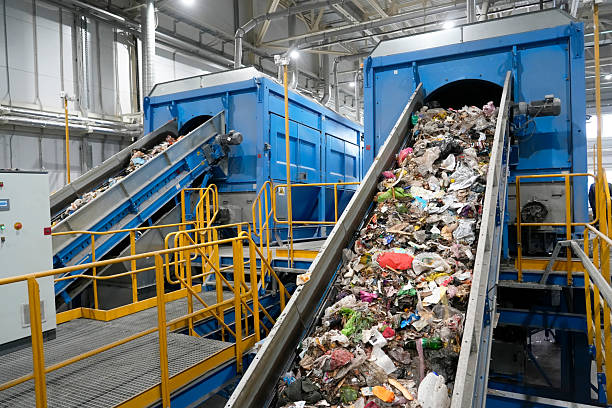
Waste management in Nigeria involves the collection, transportation, treatment, recycling, and proper disposal of waste from homes, businesses, markets, construction sites, and other locations. Effective waste management is important for maintaining clean communities, protecting the environment, and reducing health and safety risks.
As cities grow and commercial activities increase, proper waste collection and transportation have become increasingly important.
What Is Waste Management?
Waste management covers the different processes involved in handling waste from the point where it is generated until it is properly treated, recycled, or disposed of.
Common waste management activities include:
- Waste collection.
- Waste transportation.
- Waste sorting.
- Recycling.
- Organic waste management.
- Commercial waste collection.
- Construction waste removal.
- Proper waste disposal.
Different types of waste require different handling methods.
Types of Waste
Waste can come from many sources, including:
Household Waste
This includes food remains, packaging, bottles, paper, and other everyday household materials.
Commercial Waste
Businesses, shops, offices, restaurants, and markets generate waste that may require regular collection and transportation.
Construction Waste
Construction and renovation projects can produce materials such as broken blocks, concrete, wood, metal, and other debris.
Recyclable Waste
Materials such as plastic, paper, glass, and certain metals can often be separated and sent for recycling instead of being disposed of with general waste.
Why Proper Waste Management Matters
Effective waste management can provide several benefits, including:
- Cleaner communities.
- Reduced environmental pollution.
- Better public hygiene.
- Reduced waste accumulation.
- Safer business environments.
- Improved recycling.
- More organised waste collection.
Poorly managed waste can block drainage systems, create unpleasant surroundings, and contribute to environmental problems.
Waste Management for Businesses
Businesses can generate significant amounts of waste, particularly in retail, manufacturing, hospitality, construction, and food services.
A business waste management plan can help with:
- Regular waste collection.
- Separating recyclable materials.
- Organising storage before collection.
- Scheduling waste removal.
- Keeping business premises clean.
Businesses should also ensure that waste is handled according to applicable local requirements.
Waste Collection and Transportation
Collection and transportation are important parts of waste management.
Waste needs to be collected from where it is generated and transported using appropriate vehicles and handling procedures.
The type of vehicle required can depend on:
- Volume of waste.
- Type of waste.
- Pickup location.
- Disposal requirements.
- Collection frequency.
- Distance to the appropriate facility.
Large commercial or construction waste may require different transportation arrangements from ordinary household waste.
Waste Management in Lagos
Waste management is particularly important in Lagos because of the city’s large population and high level of commercial activity.
Homes, offices, markets, restaurants, factories, and construction sites all generate different types of waste. Regular collection and responsible disposal can help maintain cleaner surroundings and reduce the impact of waste on the environment.
Choosing a Waste Management Provider
Before choosing a waste management service, consider:
- Type of waste handled.
- Collection frequency.
- Service coverage.
- Appropriate transportation.
- Disposal procedures.
- Recycling options.
- Pricing.
- Reliability.
- Compliance with local requirements.
It is important to use a provider that is equipped to handle the specific type and quantity of waste involved.
Transportation Support with Travo.ng
Travo.ng focuses on helping individuals and businesses coordinate transportation and logistics requirements. Where transportation is required for suitable goods or items associated with a business operation, arrangements can be considered around the pickup location, destination, vehicle requirements, and schedule.
For waste specifically, customers should ensure that any collection, transportation, and disposal arrangement is handled by an appropriately authorised waste management provider and follows applicable local regulations.
Better Waste Management Starts with Proper Planning
Effective waste management is not simply about removing rubbish. It involves proper collection, transportation, sorting, recycling where appropriate, and responsible disposal.
For households and businesses, planning how waste is stored, collected, transported, and disposed of can help create cleaner and safer surroundings.
