


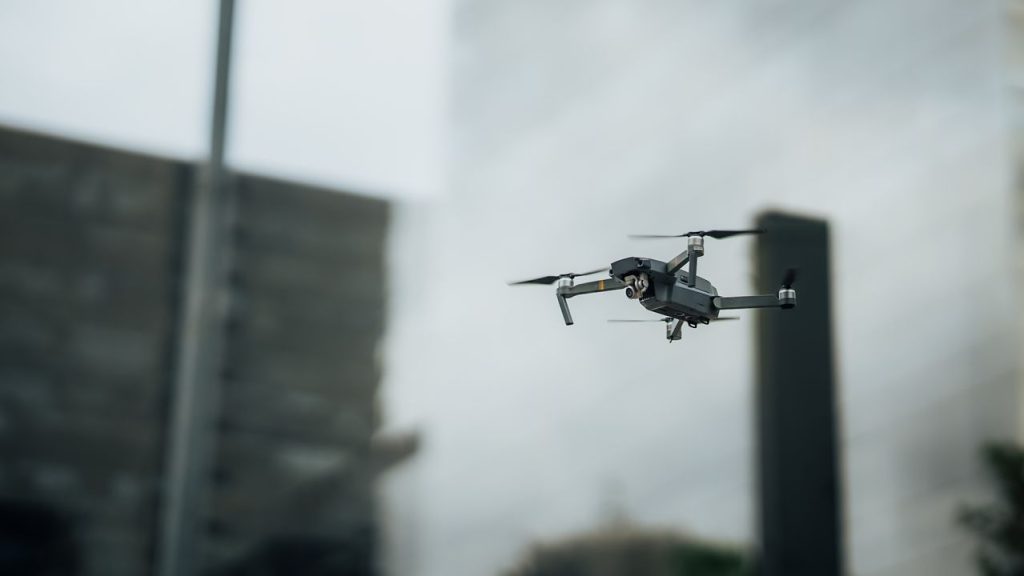
When floodwater cuts off roads, bridges and footpaths, delivering urgent supplies can become extremely difficult. Communities may need medicine, food, drinking water, communication devices or small emergency items before boats and rescue vehicles can reach them.
In such situations, drone relief delivery flooded areas can provide a fast option for moving lightweight supplies across blocked or dangerous routes. Drones cannot replace boats, trucks or full emergency response teams, but they can help bridge the gap when an item is urgently needed and normal access is temporarily impossible.
The most effective operations begin with accurate location details, realistic payload planning and clear coordination with people on the ground.
What Drones Can Realistically Carry During Flooding
Relief drones are most useful for small, high-priority items. Their carrying capacity depends on the aircraft, weather conditions, flight distance and battery strength.
Suitable items may include:
- Prescription medicine and first-aid supplies
- Mobile phones, radios or power banks
- Water purification tablets
- Small food packs
- Laboratory samples
- Emergency documents
- Life-saving medical equipment
- Batteries and communication accessories
A drone should not be treated as a substitute for a cargo vehicle. Bags of rice, cartons of bottled water, generators and other heavy supplies still require boats, trucks or specialised aircraft.
For example, a flooded community in Bayelsa may need insulin delivered immediately while waiting for a boat carrying larger relief supplies. A drone may handle the medicine first, while the heavier delivery continues separately.
Accurate Coordinates Matter More Than Street Addresses
Normal delivery addresses become less useful when roads and landmarks are underwater. The operator needs an exact drop point that can be reached safely from the air.
The receiving team should provide:
- GPS coordinates for the delivery location
- A recent photo or video of the area
- A clear description of nearby obstacles
- The name and phone number of the receiver
- The number and weight of the packages
- Information about wind and rainfall
- A suitable open space for landing or controlled release
Tall trees, electricity lines, communication masts and damaged roofing can make a location unsafe. Where direct landing is impossible, the package may be lowered or released using an approved delivery system.
Someone should be waiting at the agreed location to collect the parcel immediately.
Weather Can Change the Delivery Plan
Flood emergencies often happen during heavy rain, strong wind and poor visibility. These same conditions can prevent safe drone operations.
A flight may need to be delayed if wind speeds are too high, rain is intense or visibility is limited. Battery performance and flight range may also be affected by difficult weather.
This means the fastest delivery is not always an immediate flight. The operator must first confirm that the route can be completed without losing the aircraft or damaging the supplies.
Emergency coordinators should maintain an alternative plan, such as boat transport or a road vehicle waiting at the nearest dry access point.
Protecting Medicine and Supplies in Transit
Relief items must be packaged for both the flight and the flood environment. Ordinary paper cartons can become damaged by rain or water at the drop point.
Medicines, documents and electronics should be sealed inside waterproof packaging. Temperature-sensitive items may require insulated containers and cold packs.
The package should also be:
- Clearly labelled
- Light enough for the assigned drone
- Balanced to prevent unstable flight
- Strong enough to handle landing
- Free from loose straps or materials
- Easy for the receiver to identify
The total package weight must be confirmed before dispatch. Even a small difference can affect flight safety and battery use.
Coordinating Drone, Boat and Road Transport
Most flood relief deliveries involve more than one type of transport. Supplies may first travel by road from a warehouse to a drone launch point. After the flight, a local team may move the items by canoe, motorcycle or on foot.
Travo.ng can help coordinate these connected stages, including urgent courier pickup, vehicle hire, boat transport and delivery scheduling.
For instance, medical supplies may be collected from a pharmacy in Port Harcourt, driven to a safe launch location and flown across a flooded section to a waiting health worker. Clear communication between each team prevents delays and missed handovers.
Arrange Flood Relief Logistics With Travo.ng
Reliable drone relief delivery flooded areas requires more than launching an aircraft with a parcel. It depends on correct coordinates, safe weather conditions, suitable packaging and an organised receiving team.
Travo.ng supports emergency logistics by coordinating drone-compatible deliveries, road transport, boat movement and urgent courier services across affected areas. Each transport option can be matched to the size, urgency and destination of the supplies.
With proper planning, drones can help essential medicine, communication equipment and emergency items reach isolated communities while larger relief operations are still being organised.
