


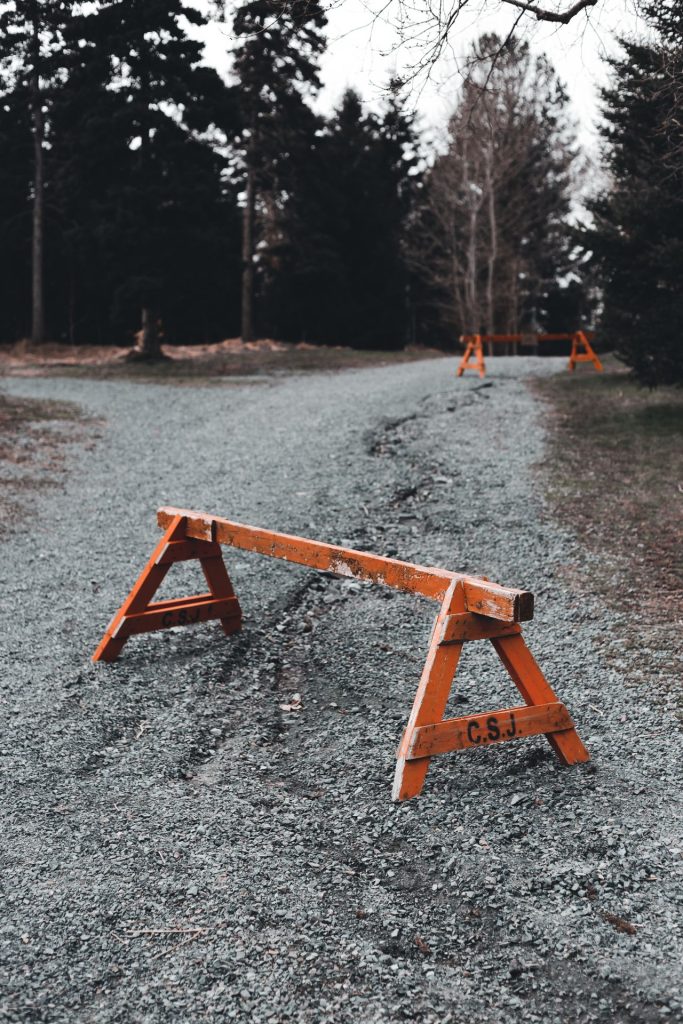
A blocked road can bring traffic, deliveries and business operations to a standstill. Broken-down trucks, fallen trees, construction debris, damaged vehicles and improperly parked equipment can prevent other road users from passing safely.
Professional road obstruction removal in Nigeria helps restore access before the situation causes longer traffic delays, secondary accidents or missed delivery schedules. The right response depends on what is blocking the road, how heavy it is and whether special lifting or towing equipment is required.
Travo.ng helps individuals, businesses, estates and project teams coordinate suitable vehicles, recovery equipment and transport support for urgent obstruction removal.
What Commonly Blocks Nigerian Roads
Road obstructions are not limited to major accidents. A vehicle that develops a fault in the wrong location can block an entire lane, especially on narrow streets or busy commercial roads.
Common causes include:
- Broken-down cars, buses and trucks
- Accident-damaged vehicles
- Fallen trees and large branches
- Sand, stones or construction materials
- Abandoned machinery
- Flood debris and damaged household items
- Overturned cargo
- Vehicles stuck in mud or drainage channels
A truck that breaks down around Apapa, for example, may delay cargo movement and worsen congestion within minutes. The same problem on a narrow estate road in Lekki may prevent residents, ambulances or delivery vehicles from entering.
The Removal Method Depends on the Obstruction
Different obstructions require different equipment. A small car with a flat tyre may only need roadside assistance, while an overturned truck may require heavy-duty towing, cranes and traffic control.
Before arranging removal, provide clear information about:
- The exact location
- The type of obstruction
- The approximate size or weight
- Whether anyone is injured
- Whether fuel or chemicals are leaking
- How much of the road is blocked
- Whether traffic is still moving around the scene
Photos and short videos can help determine whether a tow truck, flatbed, crane truck, tipper or manual clearing team is needed.
Sending the wrong equipment wastes time and may make the obstruction more difficult to remove.
Safety Must Come Before Speed
Road users often try to push, drag or dismantle an obstruction without first securing the area. This can expose drivers, pedestrians and workers to moving traffic.
Warning triangles, cones or reflective barriers should be placed at a safe distance from the scene. At night, flashing lights and reflective clothing are especially important.
Do not attempt to move a badly damaged vehicle if fuel is leaking or electrical cables are exposed. Relevant emergency authorities may need to inspect the area before recovery begins.
For large obstructions on expressways or busy urban roads, traffic may need to be temporarily redirected while lifting or towing equipment is positioned.
How Flooding Makes Obstruction Removal Harder
Heavy rainfall can turn a simple recovery job into a more complex operation. A vehicle may be partly submerged, stuck in mud or hidden by deep floodwater.
Floodwater can also conceal open drains, damaged road surfaces and debris. Recovery vehicles should not enter flooded sections until the route and water depth have been assessed.
In locations such as Ajah, Ikorodu, Port Harcourt or parts of Bayelsa, a truck may need to stop at a safer point while smaller equipment handles the final section.
Travo.ng can help coordinate towing, equipment movement and alternative transport where direct access is difficult.
Business Delays Caused by Blocked Access Routes
For businesses, road obstruction is not only a traffic problem. It can prevent customers, staff and delivery vehicles from reaching the premises.
A blocked warehouse entrance can delay loading. An abandoned truck near a construction site can stop equipment from entering. Debris on an estate road may prevent refuse collection or emergency services from passing.
Businesses should report recurring obstructions early instead of waiting until access is completely blocked. They should also avoid placing building materials, waste containers or parked machinery on shared roads.
What Road Obstruction Removal May Cost
The cost depends on the obstruction, location, equipment and time required. Removing a small broken-down car will usually cost less than recovering a loaded truck or clearing heavy construction debris.
Charges may include:
- Call-out or mobilisation fees
- Towing or lifting equipment
- Labour
- Traffic control support
- Disposal or relocation fees
- Distance to the final drop-off point
- Night or emergency service charges
A complete description of the job helps the service provider prepare a more accurate quotation.
Arrange Road Obstruction Removal With Travo.ng
Reliable road obstruction removal in Nigeria requires quick assessment, suitable equipment and careful traffic management.
Travo.ng helps coordinate towing, breakdown recovery, vehicle transport, equipment hire and emergency logistics across Nigeria. Whether the obstruction involves a damaged car, heavy truck, fallen materials or blocked business access, the response can be matched to the actual situation.
With proper planning and experienced support, blocked routes can be cleared safely while reducing disruption to road users and nearby businesses.
