


Floodwater is not always just rainwater. Once drains overflow, septic tanks back up or sewage mixes with standing water, homes and business premises can be left with contaminated floors, damaged furniture, strong odours and serious sanitation concerns.
Professional sewage cleanup after flooding helps property owners remove polluted water, dispose of affected materials and restore the space safely. The work should begin as soon as conditions allow, but it must not be rushed without proper protective equipment, waste handling and transport arrangements.
In flood-prone parts of Lagos, Port Harcourt, Yenagoa and other low-lying areas, cleaning the visible water is only one stage. Contaminated items, sludge and wastewater also need to be removed from the property correctly.
Do Not Treat Sewage Water Like Ordinary Floodwater
Clear rainwater entering through a doorway is different from water mixed with sewage. Contaminated floodwater may contain human waste, chemicals, sharp objects and bacteria from overflowing drains or damaged septic systems.
People should avoid walking through it without suitable boots, gloves and protective clothing. Children and pets should also be kept away from the affected area.
Before cleanup begins, switch off electricity to flooded sections of the building where this can be done safely. Do not touch sockets, appliances or electrical panels while standing in water.
Where the contamination is extensive, it is better to arrange trained cleaning support rather than relying only on domestic mops, buckets and disinfectant.
What Usually Needs to Be Removed First
The first task is to stop more sewage from entering the property where possible. This may require checking blocked drains, damaged pipes, septic tank overflow or external water levels.
After that, the cleanup team may need to remove:
- Standing wastewater
- Mud and sewage sludge
- Soaked carpets and mattresses
- Damaged furniture
- Contaminated cartons and packaging
- Spoilt food products
- Wet plasterboard or ceiling materials
- Waste from blocked drains
Porous items that have absorbed sewage can be difficult to disinfect completely. A mattress, rug or upholstered chair may look clean after washing but still retain contamination and odour.
Items being discarded should be separated, bagged where possible and moved without spreading dirty water through unaffected parts of the building.
Waste Removal Must Be Planned Before Cleaning Starts
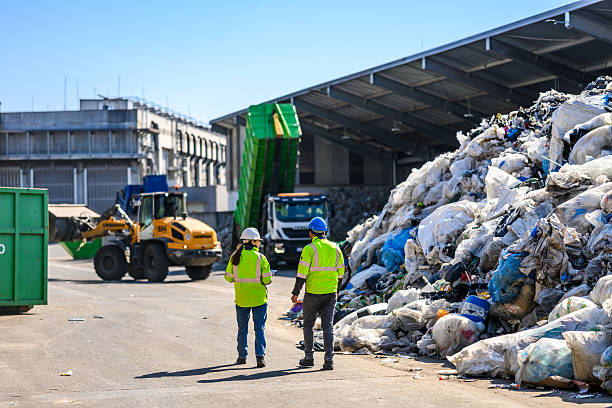
Many cleanup jobs become disorganised because nobody decides where the contaminated waste will go. It is not safe to pile sewage-soaked materials beside the road or mix them carelessly with ordinary household rubbish.
The property owner should arrange suitable waste collection, loading and transport before large items are removed. The vehicle used should be appropriate for dirty or wet materials and easy to clean afterwards.
In an estate in Lekki or a commercial area in Port Harcourt, access may also be restricted by standing water, blocked roads or damaged entrances. A smaller vehicle may need to move waste to a dry transfer point before a larger truck completes the journey.
Travo.ng can help coordinate waste transport, vehicle hire, equipment movement and logistics support for affected properties.
Cleaning and Drying the Property Properly
Once the sewage water and damaged materials have been removed, hard surfaces must be washed and disinfected. Floors, walls and fixtures may require repeated cleaning, particularly where sludge has settled in corners or under cabinets.
The property should then be dried thoroughly. Leaving hidden moisture inside walls, cupboards or flooring can lead to mould and persistent odour.
Ventilation, fans, pumps and drying equipment may be needed, depending on the scale of the flooding. If the building has been closed for several days, inspection should include storage rooms, kitchens, toilets and ground-floor offices where moisture can remain unnoticed.
Workers should change or disinfect protective footwear before entering clean sections of the property.
Details to Share When Booking Cleanup Support
Accurate information helps the service team prepare the right equipment and vehicle.
Provide:
- The property location and nearest landmark
- The type of building affected
- The approximate depth of the water
- Whether sewage is still entering
- The number of rooms involved
- Photos or videos of the damage
- The condition of the access road
- The quantity of waste to be removed
Mention any heavy items such as refrigerators, office cabinets or soaked furniture. These may require additional workers, lifting equipment or a larger vehicle.
Mistakes That Can Make the Damage Worse
Do not use a domestic vacuum cleaner to remove sewage water. Avoid switching on generators or electrical equipment inside poorly ventilated flooded spaces.
Another common mistake is applying perfume or bleach without first removing sludge and contaminated materials. This may reduce the smell temporarily but does not complete the cleanup.
People should also avoid returning furniture and stock to the building before the surfaces are fully dry. Reoccupying the space too early can create further health, mould and electrical problems.
Coordinate Sewage Cleanup After Flooding With Travo.ng
Effective sewage cleanup after flooding requires careful removal, disinfection, drying and waste transport. Each stage must be coordinated so that contaminated materials do not remain on the property or spread to clean areas.
Travo.ng helps individuals, facility managers and businesses arrange waste movement, vehicle hire, equipment delivery and emergency logistics support across Nigeria.
With clear site information and proper transport planning, affected properties can be cleared more efficiently and prepared for safe repair and reopening.
