


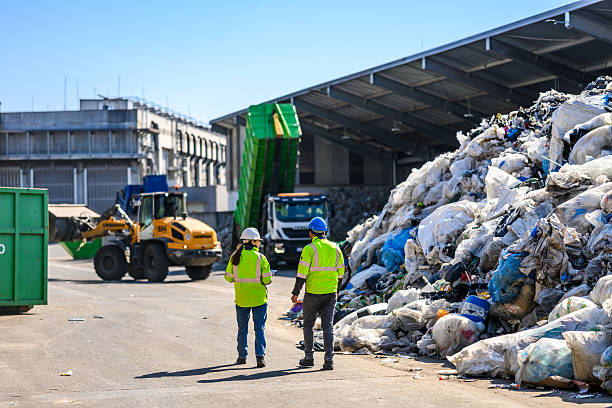
When floodwater enters a home, shop, office or warehouse, the mess left behind is often more serious than it first appears. Wet furniture, damaged cartons, spoiled food, broken fittings and contaminated household items can quickly pile up once the water begins to recede.
Professional waste removal after flooding Lagos helps property owners clear affected spaces safely and prepare them for cleaning, repairs or reopening. The work requires more than loading rubbish into any available vehicle. Flood waste may be waterlogged, unusually heavy, contaminated or mixed with sharp materials that require careful handling.
Travo.ng can help households, landlords, facility managers and businesses coordinate suitable vehicles, waste collection and movement from flooded locations across Lagos.
What Usually Needs to Be Removed After a Flood
The type of waste depends on the property and how high the water reached. In residential buildings, the most common items include mattresses, rugs, damaged cabinets, soaked clothing and spoiled food.
Flooded commercial properties may also need to dispose of:
- Damaged product packaging
- Waterlogged office furniture
- Broken shelves and fittings
- Spoiled food or raw materials
- Wet cartons and paper records
- Damaged electrical appliances
- Mud, sand and drainage debris
- Broken glass, wood and metal
A supermarket in Lekki may have spoiled stock and collapsed cartons, while a ground-floor apartment in Surulere may need to remove mattresses, rugs and damaged wardrobes. Each job requires a vehicle that can carry the volume and weight safely.
Why Flood Waste Should Be Cleared Quickly
Leaving wet waste inside a property creates additional problems. Damp materials can develop unpleasant odours, attract insects and encourage mould growth. Spoiled food and sewage-contaminated items can also become a health concern.
Clearing should begin once the area is safe to enter and the water level has reduced enough for workers and vehicles to operate. However, people should avoid handling contaminated waste without gloves, boots and suitable protective clothing.
Electrical appliances should not be touched until the power supply has been disconnected and the area has been checked. Items that appear dry on the outside may still contain trapped water.
The Right Vehicle Depends on the Waste Volume
A few bags of damaged clothing may fit into a small van, but furniture, appliances and large quantities of soaked material will usually require a pickup truck, tipper or larger waste vehicle.
Wet items are heavier than they appear. A mattress, rug or wooden cabinet that has absorbed water may require several people to lift safely. This is why customers should describe the waste accurately before booking.
Useful information includes:
- The property location
- The number of rooms affected
- The type of items to be removed
- Whether furniture or appliances are included
- The estimated number of bags or loads
- Whether vehicles can enter the compound
- The current condition of nearby roads
Photos and short videos can help the transport team select the right vehicle and number of workers.
Flooded Roads Can Complicate the Collection
Waste removal may be delayed when the property is still surrounded by water. Some streets in Ajah, Lekki, Ikorodu, Victoria Island and other low-lying parts of Lagos may remain difficult to access even after rain stops.
The collection vehicle may need to stop at a dry point while workers move the waste in smaller batches. Where water is still too deep for vehicles, a boat or another suitable transport option may be needed for the first section.
It is important not to force a truck through floodwater simply to reach the building. Hidden potholes, open drains and damaged road surfaces can leave the vehicle stuck and create another emergency.
Separate Hazardous Items From General Waste
Not every damaged item should be mixed into one load. Paint, fuel containers, chemicals, batteries, medical waste and sharp objects require special attention.
Broken glass and metal should be wrapped or placed in strong containers to protect workers. Electronics should be separated from ordinary household waste, especially if recycling or specialised disposal is available.
Businesses should also keep records of damaged inventory before disposal where insurance claims, landlord reports or internal audits may be required.
Avoid These Common Cleanup Mistakes
One common mistake is booking a small vehicle because the waste looks manageable while still inside the property. Once furniture is dismantled and soaked materials are bagged, the volume may be much larger.
Another mistake is failing to arrange a legal disposal point. Dumping flood waste beside roads, in drainage channels or on empty land can worsen flooding and create environmental problems.
Customers should also avoid delaying the job while damaged materials continue to absorb water and deteriorate.
Book Flood Waste Removal With Travo.ng
Reliable waste removal after flooding Lagos requires proper planning, safe handling and a vehicle suited to the amount of debris being cleared.
Travo.ng helps coordinate waste collection vehicles, loaders, transport support and movement from affected homes, shops, offices and warehouses. Where access is difficult, the collection can be planned around the safest available route and realistic loading conditions.
Removing damaged items promptly helps property owners control odours, reduce health risks and begin the cleaning and restoration process sooner.
