


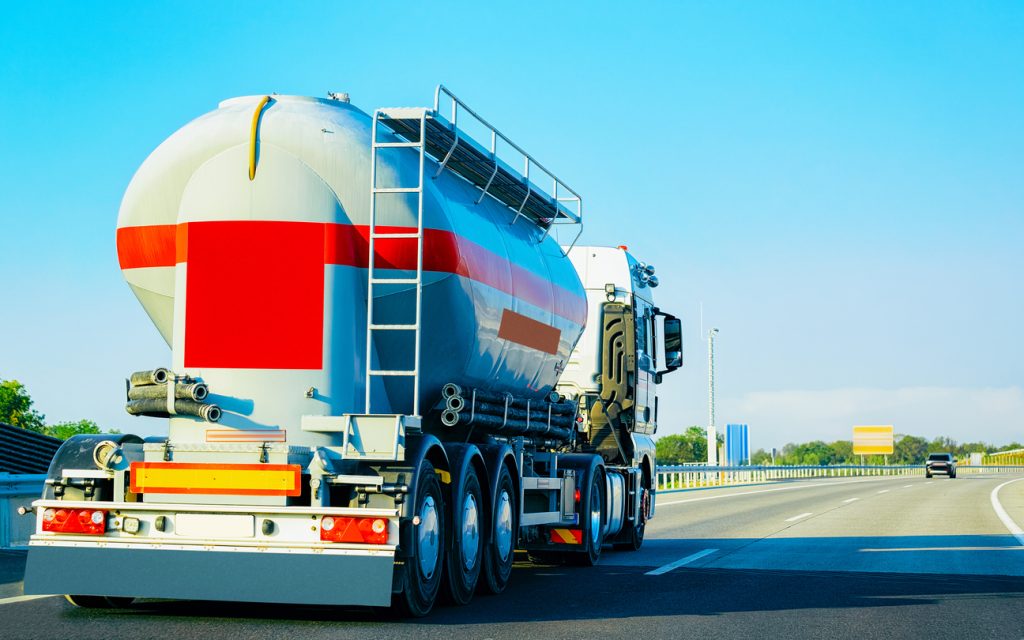
Reliable water delivery for warehouses in Lagos is more important than many operators realise. A warehouse may not manufacture anything, but water is still needed every day for staff welfare, cleaning, toilets, security posts, loading areas, and sometimes product handling.
When the main supply fails or a borehole develops a problem, operations can become uncomfortable very quickly. For facilities with dozens of workers, waiting until every tank is empty before looking for a water tanker usually leads to unnecessary delays and higher emergency costs.
Travo.ng helps businesses coordinate practical water supply and other operational logistics across Lagos, making it easier to arrange deliveries before shortages disrupt normal warehouse activity.
How Much Water Does a Lagos Warehouse Actually Need?
Water demand depends heavily on the size and purpose of the facility.
A small storage warehouse with 10 to 20 employees may mainly require water for toilets, handwashing, cleaning, and drinking-related support. Large distribution centres operating several shifts can consume much more because staff numbers and cleaning requirements are higher.
Warehouse managers should consider:
- Number of employees per shift
- Number of toilets and wash areas
- Frequency of floor and loading-bay cleaning
- Existing borehole or public water supply
- Tank storage capacity
- Whether water is required for operational processes
For example, a warehouse in Ikeja with a 10,000-litre storage tank should not necessarily wait until the tank is completely empty. Scheduling replenishment when levels are approaching 20% to 30% can provide a useful buffer against traffic or supplier delays.
Lagos Traffic Can Affect Water Tanker Arrival Times
Bulk water delivery in Lagos is not simply a matter of filling a tanker and driving to the customer.
Traffic can significantly affect arrival times, particularly around Apapa, Oshodi, Mile 2, Ikeja, Lagos Island, and major industrial corridors. A tanker travelling during morning or evening congestion may spend considerably longer on the road than expected.
Access into the warehouse matters as well.
Some industrial premises have narrow gates, congested loading areas, parked trailers, or restrictions on when service vehicles can enter. Before scheduling water delivery for warehouses in Lagos, confirm that the vehicle can reach the storage point without blocking normal loading operations.
Providing the supplier with clear directions, gate instructions, tank location, and a receiving contact can prevent unnecessary waiting.
Emergency Delivery Usually Costs More Than Planned Supply
A common warehouse mistake is treating water supply as something to arrange only after the tanks run dry.
Emergency requests can be more expensive because the supplier may need to divert a truck, travel during heavy traffic, or complete the delivery outside normal operating hours.
Planned deliveries are generally easier to manage.
A facility that regularly uses one tanker every few days can establish a simple replenishment schedule instead of repeatedly making urgent calls. Warehouse managers can also monitor consumption and increase supply before unusually busy periods.
This is particularly useful for distribution centres experiencing higher activity during festive periods, promotional campaigns, or month-end inventory movement.
Check Water Quality Before Accepting a Delivery
Not every tanker supply should automatically be accepted.
The required water quality depends on how the warehouse intends to use it. Water supplied only for flushing toilets may have different requirements from water used around food products, pharmaceutical goods, staff kitchens, or sensitive cleaning operations.
Before accepting a new supplier, ask about the water source and intended use.
Businesses handling food, medical products, cosmetics, or other sensitive inventory should apply stricter hygiene procedures and maintain appropriate records where necessary.
It is also worth inspecting storage tanks periodically. Good-quality water can still become contaminated when delivered into poorly maintained tanks.
Tank Capacity Should Match Your Delivery Pattern
Many supply problems start with inadequate storage rather than the delivery itself.
If a warehouse frequently orders water but still experiences shortages, check whether the existing tanks are large enough for actual consumption.
For example, a busy facility using close to 5,000 litres daily has little protection if total usable storage is only 5,000 litres. Increasing storage capacity could provide one or two additional days of reserve supply and reduce the number of emergency deliveries.
Warehouses should also know their approximate consumption rate. Recording tank levels and delivery quantities for a few weeks can reveal a predictable pattern.
Coordinating Water Supply With Other Warehouse Logistics
Warehouse managers already coordinate deliveries, pickups, drivers, cargo movement, equipment, staff access, and inventory schedules. Water supply works better when it is treated as part of the same operational planning.
Travo.ng can support businesses with water delivery coordination alongside relevant services such as cargo logistics, courier services, transport coordination, vehicle hire, and wider business logistics support.
For warehouses operating in areas such as Ikeja, Apapa, Amuwo Odofin, Isolo, Lekki, or other parts of Lagos, planning supply around traffic conditions and operational hours can make a significant difference.
Reliable water delivery for warehouses in Lagos should ultimately be predictable rather than reactive. Know your storage capacity, monitor consumption, maintain a sensible reserve, and schedule replenishment early enough to keep staff and warehouse operations running without unnecessary disruption.
