


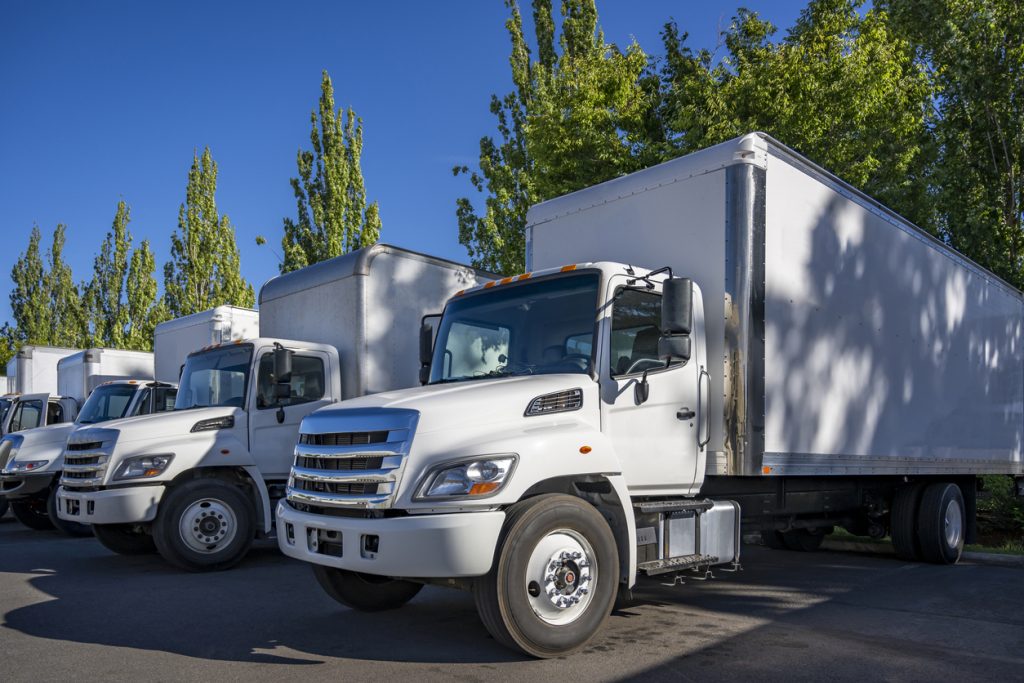
Vehicle maintenance software is a digital tool used to track, schedule, and manage all maintenance activities for vehicles—whether for a small business fleet or a large logistics operation. It ensures vehicles are serviced on time, repairs are properly recorded, and downtime is minimized.
It is commonly used in transport companies, logistics firms, corporate fleets, car rentals, and delivery businesses.
What Vehicle Maintenance Software Does
It helps businesses:
- Schedule routine vehicle servicing
- Track repair history and breakdowns
- Monitor maintenance costs per vehicle
- Manage workshops and repair tasks
- Store vehicle documents and service records
- Reduce unexpected breakdowns
- Improve fleet reliability and performance
Key Features
1. Maintenance Scheduling
- Set reminders for oil changes, servicing, and inspections
- Based on mileage, time, or engine usage
2. Repair and Work Order Tracking
- Log vehicle issues
- Assign repairs to mechanics or workshops
- Track repair progress from start to finish
3. Vehicle Service History
- Complete record of past maintenance
- Helps identify recurring mechanical problems
- Tracks total cost per vehicle
4. Cost Tracking
- Monitor repair expenses
- Compare maintenance cost across fleet
- Identify high-cost vehicles
5. Fleet Status Monitoring
- Shows vehicles that are active, under repair, or available
- Improves dispatch planning
6. Parts and Inventory Management (Advanced Systems)
- Track spare parts usage
- Manage workshop inventory
- Avoid delays due to missing parts
7. Reporting and Analytics
- Maintenance performance reports
- Downtime analysis
- Cost efficiency insights
Benefits of Vehicle Maintenance Software
1. Fewer Breakdowns
Regular servicing prevents unexpected failures.
2. Lower Maintenance Costs
Early detection reduces expensive repairs.
3. Longer Vehicle Lifespan
Proper maintenance extends usability of vehicles.
4. Improved Safety
Well-maintained vehicles reduce accident risks.
5. Better Fleet Efficiency
More vehicles stay operational and productive.
Types of Vehicle Maintenance Software
1. Basic Tools
- Manual logs
- Service reminders
- Simple tracking dashboards
2. CMMS Systems (Computerized Maintenance Management Systems)
- Structured maintenance workflows
- Work order automation
- Asset tracking and scheduling
Examples:
- Fiix
- MaintainX
- UpKeep
3. Advanced Fleet Maintenance Platforms
- GPS integration
- Predictive maintenance (AI-based)
- Fuel tracking and diagnostics
- Real-time alerts
Examples:
- Fleetio
- Samsara
- Geotab
- Verizon Connect
Who Uses Vehicle Maintenance Software
- Logistics and trucking companies
- Car rental businesses
- Corporate transport departments
- Construction and oil & gas firms
- Delivery and e-commerce companies
- Government vehicle fleets
Why It Matters in Nigeria
Vehicle maintenance software is especially useful because it helps solve:
- Frequent vehicle breakdowns due to road conditions
- High cost of repairs and spare parts
- Lack of structured maintenance records
- Fuel inefficiency and misuse
- Poor fleet planning and downtime issues
Challenges Without Maintenance Software
- Unexpected breakdowns
- High repair expenses
- Poor maintenance tracking
- Reduced fleet availability
- Inefficient workshop operations
Vehicle Maintenance vs Fleet Maintenance
| Vehicle Maintenance Software | Fleet Maintenance Software |
|---|---|
| Focus on individual vehicles | Focus on entire fleet |
| Service tracking per unit | Fleet-wide optimization |
| Repair logs | Operational fleet analytics |
| Basic to advanced use | Enterprise logistics systems |
How It Improves Logistics Operations
Vehicle maintenance software ensures:
- Vehicles remain roadworthy
- Deliveries are not delayed
- Maintenance is planned, not reactive
- Fleet downtime is minimized
- Operational efficiency increases
How Travo.ng Fits Into Fleet Maintenance Ecosystems
Maintenance software handles vehicle health, while logistics systems handle deployment and execution.
Travo.ng supports operations through:
- Fleet dispatch coordination
- Transport scheduling based on vehicle availability
- Cargo and passenger movement planning
- Logistics execution across cities and ports
- Integration of maintained fleets into active operations
This ensures vehicles are not only maintained but also efficiently utilized in real logistics workflows.
Conclusion
Vehicle maintenance software is essential for any organization operating vehicles. It reduces breakdowns, improves safety, and ensures fleets remain cost-effective and operationally ready.
