


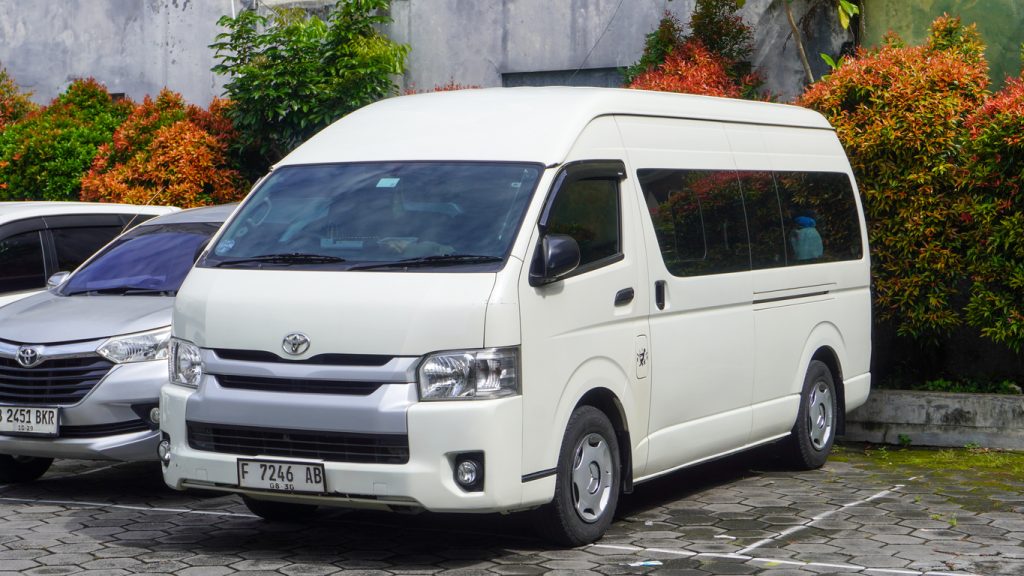
A staff vehicle monitoring system in Nigeria is a GPS-based fleet management solution used by organizations to track how employees use company vehicles in real time. It helps businesses ensure that vehicles assigned to staff are used only for approved duties, while also improving efficiency, safety, and cost control.
In busy corporate and commercial environments like Lagos, where field staff, sales teams, and logistics personnel are constantly on the move, staff vehicle monitoring has become a key part of operational control.
What a staff vehicle monitoring system actually is
A staff vehicle monitoring system combines GPS tracking technology with software tools that allow employers to supervise employee use of company vehicles.
It helps businesses:
- Track staff movements in real time
- Monitor company vehicle usage by employees
- Verify work-related trips and field visits
- Prevent unauthorized or personal use of vehicles
- Improve accountability across teams
- Reduce fuel and operational waste
It turns company vehicles into fully monitored work tools.
Why staff vehicle monitoring is important in Nigeria
Many companies struggle to control how employees use assigned vehicles.
Common issues include:
- Unauthorized personal use of company cars
- Fuel wastage and inflated transport costs
- Poor documentation of field activities
- Late or unverified client visits
- Lack of visibility on employee movement
- Misuse of company assets after work hours
Monitoring systems help solve these problems through real-time visibility.
How staff vehicle monitoring systems work
Modern systems combine GPS devices with digital dashboards and mobile apps.
A typical setup includes:
- GPS tracker installed in each company vehicle
- Real-time location updates via mobile networks
- Web or mobile dashboard for managers
- Trip history and route playback
- Alerts for unauthorized movement or route deviation
This allows full visibility of staff movement during working hours.
Key features of staff vehicle monitoring systems
A strong system provides more than just location tracking.
Important features include:
- Live vehicle tracking
- Geofencing for approved work zones
- Route history and trip logs
- Driver behavior monitoring (speeding, harsh braking)
- Work-hour vs after-hours usage tracking
- Automated reporting tools
- Alerts for unauthorized trips
These features improve discipline and operational control.
How monitoring improves employee accountability
One of the biggest benefits is improved staff responsibility.
It helps companies:
- Confirm that field visits are actually completed
- Track time spent on assignments
- Reduce misuse of company vehicles
- Encourage disciplined driving behavior
- Improve transparency in operations
This leads to more reliable staff performance.
Cost control and operational efficiency benefits
Staff vehicle monitoring helps companies reduce unnecessary spending.
It achieves this by:
- Reducing unauthorized mileage
- Improving route planning for field staff
- Minimizing fuel wastage
- Preventing excessive vehicle wear and tear
- Optimizing daily travel schedules
Over time, this leads to significant cost savings.
Security benefits for company vehicles
Company vehicles are valuable assets that require protection.
Monitoring systems provide:
- Real-time location visibility
- Alerts for unauthorized movement
- Faster response in case of theft
- Monitoring of after-hours usage
- Improved asset protection overall
This reduces risk and improves security.
Common problems solved by staff monitoring systems
Without tracking, companies often face:
- Lack of proof of field visits
- Employee misuse of vehicles
- Poor coordination of field operations
- High fuel and maintenance costs
- Difficulty managing multiple staff vehicles
Monitoring systems help eliminate these inefficiencies.
How staff vehicle monitoring improves operations in Lagos
In a busy business environment like Lagos, where traffic and movement are unpredictable, visibility is essential.
Monitoring helps companies:
- Manage field staff more effectively
- Improve client visit scheduling
- Reduce delays in business operations
- Track performance across departments
- Increase operational transparency
This improves both internal efficiency and customer satisfaction.
Common mistakes companies make
Some businesses fail to maximize their monitoring systems.
Common mistakes include:
- Not reviewing tracking reports regularly
- Ignoring driver or staff behavior data
- Poor installation of tracking devices
- Using tracking only for emergency situations
- Failing to set clear vehicle usage policies
Proper management is key to effectiveness.
Integration with business systems
Staff vehicle monitoring systems can integrate with:
- HR and payroll systems
- CRM and sales tracking tools
- Fleet management platforms
- Fuel monitoring systems
- Logistics and dispatch systems
This creates a complete business operations ecosystem.
How Travo.ng supports staff vehicle monitoring systems
Effective staff monitoring requires both technology and operational support.
Travo.ng supports businesses through:
- Real-time staff vehicle tracking solutions
- Fleet management and monitoring systems
- Logistics coordination across Nigeria
- Route optimization and mobility support
- Business transport and operational planning tools
This helps organizations improve accountability, efficiency, and cost control.
Final thoughts
A staff vehicle monitoring system in Nigeria is essential for organizations that provide vehicles to employees. It improves accountability, reduces costs, enhances security, and ensures proper use of company assets.
In cities like Lagos, where business operations depend heavily on mobility, monitoring systems help companies maintain control and run more efficient field operations.
