


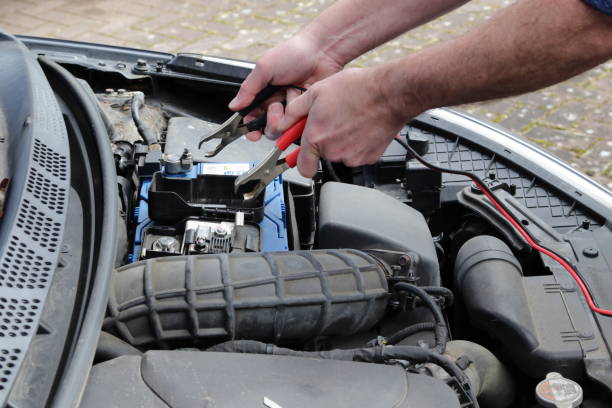
Car tracker installation in Nigeria has moved from being a luxury add-on to something many vehicle owners now consider essential. With rising concerns around vehicle theft, misuse of company cars, and the need for real-time monitoring, tracking systems are becoming a standard part of modern vehicle management.
In busy transport and logistics environments like Lagos, where vehicles are constantly on the move in traffic-heavy corridors, installing a reliable tracker is often the difference between quick recovery and permanent loss.
Why car tracking is becoming a necessity, not an option
Vehicle security in Nigeria is not just about parking safety—it is about monitoring movement, usage, and location in real time.
Car trackers help to:
- Locate stolen vehicles quickly
- Monitor driver behavior and routes
- Prevent unauthorized vehicle use
- Improve fleet management efficiency
- Reduce insurance and operational risks
- Track delivery or transport performance
For both private owners and businesses, visibility equals control.
How car tracking systems actually work
A car tracker is a small device installed in a vehicle that communicates location data using GPS and mobile networks.
Here is how it works in practice:
- GPS technology determines the exact location of the vehicle
- The device sends data through GSM or internet networks
- The owner accesses the information via mobile app or dashboard
- Real-time updates show movement, speed, and route history
Some advanced systems also include engine shutdown features and geofencing alerts.
Types of car tracking systems used in Nigeria
Different users choose different tracking systems based on their needs and budget.
Common types include:
1. Real-time GPS trackers
These provide live location updates every few seconds or minutes.
2. Passive trackers
These store data that can be reviewed later but do not provide live updates.
3. Fleet management trackers
Used by companies to monitor multiple vehicles at once.
4. Hidden anti-theft trackers
Installed discreetly to reduce the chance of tampering or removal.
Each type serves a different level of security and control.
Where car trackers are usually installed
Installation location matters for performance and security.
Common installation points include:
- Under the dashboard
- Inside the vehicle wiring system
- Behind interior panels
- Near the battery compartment
- Hidden sections of the car frame
Professional installation is important to avoid detection and ensure stable connectivity.
How long installation usually takes
In most cases, car tracker installation is not time-consuming.
Typical installation time:
- 30 minutes to 2 hours depending on vehicle type
- Additional setup time for mobile app activation
- Testing phase to confirm signal and accuracy
For fleet vehicles, multiple installations may be scheduled in batches.
Common mistakes vehicle owners make
Many tracking issues come from poor installation or wrong assumptions about how the system works.
Common mistakes include:
- Choosing cheap, unverified tracking devices
- Allowing unprofessional installation
- Not activating mobile monitoring properly
- Ignoring subscription or data plans
- Installing visible devices that are easy to remove
These mistakes often reduce tracking effectiveness.
How car trackers help businesses and logistics operators
For companies managing delivery vans, logistics fleets, or field service vehicles, tracking is not just about security—it is about performance control.
It helps to:
- Optimize delivery routes
- Monitor driver efficiency
- Reduce fuel wastage
- Improve customer delivery timelines
- Prevent unauthorized detours or usage
- Provide proof of delivery movement history
In cities like Lagos, where traffic unpredictability is high, route visibility is extremely valuable.
Legal and insurance advantages of tracking systems
Car tracking is also becoming relevant for insurance and compliance purposes.
Benefits include:
- Faster theft recovery claims
- Lower insurance risk classification in some cases
- Proof of vehicle location history
- Better fleet accountability for companies
Some insurers now prefer vehicles with tracking systems installed.
How Travo.ng supports vehicle tracking and mobility logistics
Car tracking becomes even more effective when paired with proper movement coordination and logistics planning.
Travo.ng supports vehicle owners and businesses by helping coordinate:
- Vehicle movement for installation and servicing
- Fleet logistics planning for business operations
- Transport coordination across cities and delivery routes
- Mobility support for tracking-enabled logistics operations
When tracking is combined with structured logistics, vehicle control becomes significantly more efficient.
When car tracking becomes most valuable
Car trackers are most useful in situations where movement must be controlled or monitored closely, such as:
- Private vehicle security
- Corporate fleet management
- Delivery and courier services
- Ride-hailing or transport businesses
- High-value goods transportation
In all these cases, real-time visibility improves safety and efficiency.
Final thoughts on car tracker installation in Nigeria
Car tracker installation is no longer just about theft recovery—it is about full vehicle intelligence. Whether for personal protection or business operations, tracking systems give owners real-time control over their assets and reduce uncertainty in transportation.
As mobility systems in Nigeria continue to evolve, tracking technology is becoming a standard part of responsible vehicle ownership and fleet management.
