


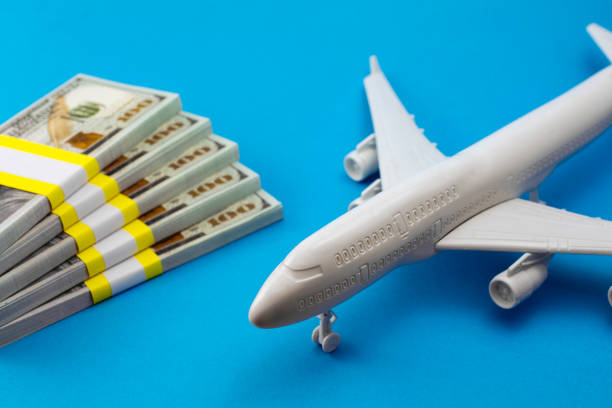
Foreign exchange (forex) is an essential part of international travel. Whether you’re travelling for business, tourism, education, medical treatment, or visiting family abroad, understanding how foreign exchange works can help you manage your travel budget and avoid unnecessary costs.
This guide explains everything Nigerian travellers need to know about foreign exchange for travel. Travo.ng can also assist with flight bookings, hotel reservations, airport transfers, holiday packages, and travel planning to make your journey easier.
What Is Foreign Exchange?
Foreign exchange (FX or forex) is the process of converting the Nigerian Naira (NGN) into another country’s currency for use while travelling internationally.
For example, if you’re travelling to:
- United States – US Dollar (USD)
- United Kingdom – British Pound Sterling (GBP)
- Canada – Canadian Dollar (CAD)
- Europe – Euro (EUR)
- United Arab Emirates – UAE Dirham (AED)
- Saudi Arabia – Saudi Riyal (SAR)
- South Africa – South African Rand (ZAR)
- Japan – Japanese Yen (JPY)
You’ll need access to the appropriate local currency or another widely accepted payment method.
Where to Exchange Foreign Currency in Nigeria
Travellers should exchange money through authorised providers such as:
- Licensed commercial banks
- Licensed Bureau De Change (BDC) operators
- Other authorised foreign exchange providers regulated by the Central Bank of Nigeria (CBN)
Using authorised providers helps reduce the risk of fraud and ensures compliance with applicable regulations.
Documents You May Need
Depending on the provider and current regulations, you may be asked to present:
- Valid Nigerian international passport
- Flight ticket or travel itinerary
- Visa (where applicable)
- Government-issued identification
- Other supporting documents requested by the provider
Requirements can vary, so it’s advisable to confirm them before visiting.
Popular Foreign Currencies for Nigerian Travellers
Some of the most commonly exchanged currencies include:
- US Dollar (USD)
- Euro (EUR)
- British Pound Sterling (GBP)
- Canadian Dollar (CAD)
- Australian Dollar (AUD)
- UAE Dirham (AED)
- Saudi Riyal (SAR)
- South African Rand (ZAR)
- Chinese Yuan (CNY)
- Japanese Yen (JPY)
The currency you require depends on your destination.
Tips for Getting a Good Exchange Rate
To make the most of your travel budget:
- Compare rates offered by authorised providers.
- Monitor exchange rates before your departure.
- Exchange only the amount of cash you expect to need.
- Keep your exchange receipts.
- Ask about any service charges or transaction fees.
- Avoid exchanging large amounts at airports unless necessary.
Cash or Card?
Most travellers benefit from carrying a combination of cash and payment cards.
Cash is useful for:
- Local transportation
- Small businesses
- Markets
- Street food
- Tipping where customary
Cards are convenient for:
- Hotels
- Restaurants
- Shopping centres
- Online bookings
- Car rentals
- Larger purchases
Having both provides flexibility throughout your trip.
Using Your Nigerian Bank Card Abroad
Many Nigerian debit and credit cards can be used internationally, subject to your bank’s policies.
Before travelling:
- Confirm that your card is enabled for international transactions.
- Check foreign transaction fees.
- Know your withdrawal and spending limits.
- Carry a backup payment method in case your primary card cannot be used.
Budgeting Your Travel Expenses
Estimate your expected spending before departure, including:
- Accommodation
- Meals
- Transportation
- Attractions
- Shopping
- Travel insurance
- Emergency expenses
- Airport transfers
A realistic travel budget helps you avoid overspending and better manage your foreign currency.
Foreign Exchange Safety Tips
To keep your money safe while travelling:
- Use only authorised exchange providers.
- Count your money before leaving the counter.
- Store cash securely.
- Avoid carrying large amounts of cash at one time.
- Keep emergency funds separate from your daily spending money.
- Save copies of exchange receipts where possible.
Why Planning Your Foreign Exchange Matters
Preparing your travel funds before departure helps you:
- Avoid last-minute stress.
- Reduce unnecessary fees.
- Manage your travel budget effectively.
- Meet immediate expenses upon arrival.
- Travel with greater confidence.
Good planning ensures you have the right payment options available throughout your journey.
Plan Your Journey with Travo.ng
Travo.ng helps travellers prepare for international travel by assisting with:
- Flight bookings
- Hotel reservations
- Airport transfers
- Holiday packages
- Corporate travel
- Group travel
- Multi-city itineraries
- Travel planning assistance
Whether you’re travelling for business, tourism, education, medical treatment, or family visits, Travo.ng helps simplify every stage of your journey.
Travel with Confidence
Managing your foreign exchange wisely is an important part of successful international travel. By using authorised exchange providers, planning your budget, and carrying a suitable mix of cash and electronic payment methods, you can enjoy a smoother and more convenient travel experience.
Let Travo.ng help you plan your next trip while you focus on creating unforgettable travel memories.
