


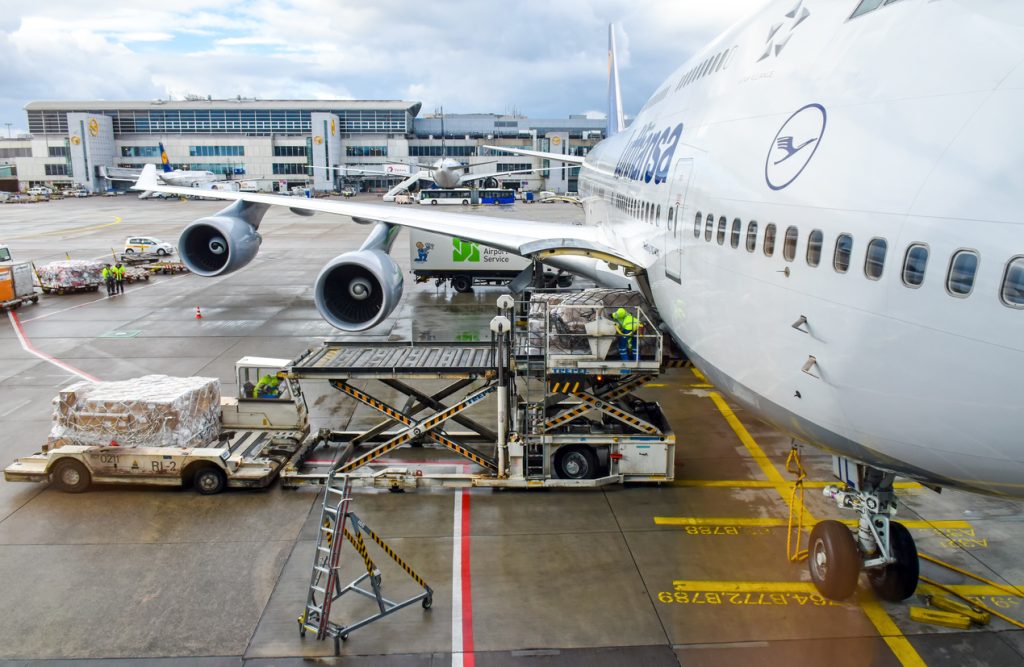
Airport ramp operations in Africa cover the activities carried out around an aircraft while it is parked at the airport. This includes aircraft parking, marshalling, baggage and cargo handling, refuelling coordination, ground support equipment, passenger boarding, aircraft servicing and pushback.
The ramp is one of the busiest areas of an airport because several teams may be working around the same aircraft at the same time. A baggage tractor may be moving nearby while a catering vehicle approaches, engineers conduct checks and passengers board through a bridge or bus.
That makes coordination and safety essential. In Nigeria, the NCAA describes apron safety as central to the integrity and efficiency of airport ground operations and works with airport authorities, handling companies and other aviation stakeholders on apron safety standards. (NCAA)
What Airport Ramp Operations Include
Ramp activities vary according to the aircraft, airport and ground-handling agreement, but commonly include:
- Aircraft marshalling and parking
- Aircraft pushback and towing
- Baggage loading and unloading
- Cargo and mail handling
- Ground power and air-conditioning support
- Aircraft fuelling coordination
- Passenger boarding support
- Cabin cleaning
- Water and toilet servicing
- Load control
- Ground movement coordination
For example, SAHCO’s ramp and airside services at Lagos include baggage handling, aircraft parking and pushback, ground power and air-conditioning units, aircraft ground movement, cabin cleaning and water and toilet services. (SAHCO Plc.)
Why Ramp Safety Matters
Aircraft ramps contain moving vehicles, aircraft engines, heavy equipment, fuel systems, passengers and ground personnel in a relatively restricted space.
A small mistake can therefore have serious consequences. Workers need to maintain safe distances from engines, propellers, aircraft wheels and moving ground equipment while following established procedures.
The NCAA’s ground-operations guidance requires ground handling providers and operators to demonstrate that ramp safety can be maintained during normal and emergency procedures. (NCAA)
IATA’s Ground Operations Manual also covers ramp safety during aircraft handling, fuelling, adverse weather and turnaround operations. (IATA)
Aircraft Marshalling and Parking
Before many aircraft can be positioned safely on a stand, trained personnel must guide the aircraft into the appropriate parking position.
The process requires clear communication between the flight crew and ramp personnel. Once parked, the aircraft must be secured and the area around it prepared for the next ground activities.
Parking stand availability can also affect airport operations. When several aircraft arrive at similar times, limited stands can create congestion and complicate turnaround planning.
Baggage and Cargo Handling on the Ramp
Baggage and cargo are major parts of ramp activity.
After passengers disembark, baggage and cargo need to be unloaded and moved away from the aircraft. For the next departure, the process is reversed: baggage and cargo must reach the aircraft, be loaded correctly and be secured before departure.
Load control is particularly important because the location and weight of cargo and baggage affect aircraft loading and balance.
IATA’s ground operations standards cover baggage, cargo, load control and aircraft turnaround procedures as interconnected areas of ground handling. (IATA)
Ground Support Equipment on African Airport Ramps
Ground support equipment, commonly called GSE, allows many ramp activities to take place.
Depending on the operation, equipment may include:
- Baggage tractors
- Belt loaders
- Passenger stairs
- Ground power units
- Air-conditioning units
- Catering vehicles
- Pushback tractors
- Water servicing vehicles
- Toilet servicing equipment
- Cargo loaders
Equipment needs to be available when required and kept in safe working condition. A missing or faulty piece of equipment can delay several activities around the aircraft.
This is particularly important during busy periods when multiple aircraft require similar equipment at the same time.
Coordinating an Aircraft Turnaround
Ramp operations are closely connected to aircraft turnaround management.
After an aircraft arrives, different teams may need to work simultaneously. Baggage unloading, cleaning, catering, refuelling, passenger processing and technical checks must be coordinated before the aircraft can depart.
The objective is not simply to make every task faster. The activities have to be completed safely and in the correct sequence.
IATA identifies standardised ground procedures as a way to reduce operational complexity between airlines, airports and ground service providers while improving safety and efficiency. (IATA)
Common Ramp Challenges in Africa
Airport ramp operations can face different challenges depending on the airport and operating environment.
Common issues include:
- Limited ground support equipment
- Equipment breakdowns
- Apron congestion
- Staff shortages
- Poor coordination between service providers
- Delayed baggage or cargo
- Communication problems
- Weather disruptions
- Limited parking stands
- Inadequate ramp infrastructure
Infrastructure limitations can make these problems more difficult to manage, especially when several aircraft are operating around the same period.
The availability of properly trained personnel is equally important. Standardised procedures and continuous training help ensure that different teams understand their responsibilities.
Ramp Inspections and Regulatory Oversight
Ramp operations are subject to safety oversight.
In Nigeria, the NCAA maintains specific ramp inspection procedures for operators and ground handling service providers. Its ramp inspections are designed to assess aircraft and crew while on the ground and evaluate compliance with safe operating procedures. (NCAA)
The NCAA also maintains separate ground operations ramp inspection and ground handling service provider ramp inspection checklists. (NCAA)
This oversight helps identify unsafe practices, equipment problems and other operational issues that could affect aircraft or personnel.
Using Better Coordination to Reduce Ramp Delays
Technology can help ramp teams understand what is happening around an aircraft in real time.
Digital turnaround monitoring can show when activities begin and finish, allowing operations teams to identify delays earlier. Equipment tracking can also help managers determine whether the required resources are available at the right stand.
However, technology works best when supported by clear procedures and communication between airlines, ground handlers and airport operations teams.
How Travo.ng Can Support Airport Travel and Logistics
Travo.ng can support the wider travel and transportation requirements connected to airport ramp operations without replacing specialist ground-handling teams.
For example, an airline, aviation contractor or technical team may have personnel travelling to Lagos, Abuja or another African airport for an operational assignment. Those personnel may need airport transfers, accommodation, vehicle hire or transportation between the airport and other work locations.
Travo.ng can help coordinate these travel requirements around the relevant flight schedule. Where appropriate, it can also support delivery and transportation arrangements connected to the wider logistics movement.
The actual ramp work—such as aircraft marshalling, pushback, baggage handling, GSE operation and aircraft servicing—remains the responsibility of authorised airport and ground-handling organisations. Travo.ng’s role is to support the movement of people and related logistics around those operations.
Keeping Ramp Operations Safe and Efficient
Effective airport ramp operations depend on preparation, communication, equipment and disciplined procedures.
Every aircraft turnaround requires multiple teams to work within a limited area while maintaining strict safety standards. When those teams understand their responsibilities and have the necessary equipment and information, the airport can manage aircraft movements more efficiently.
For African airports, improving ramp operations therefore involves more than buying additional equipment. It also requires trained personnel, consistent procedures, effective supervision, reliable communication and strong coordination between airlines, airport operators and ground handling providers.
